



Himmelbjerget – Jutland, Denmark

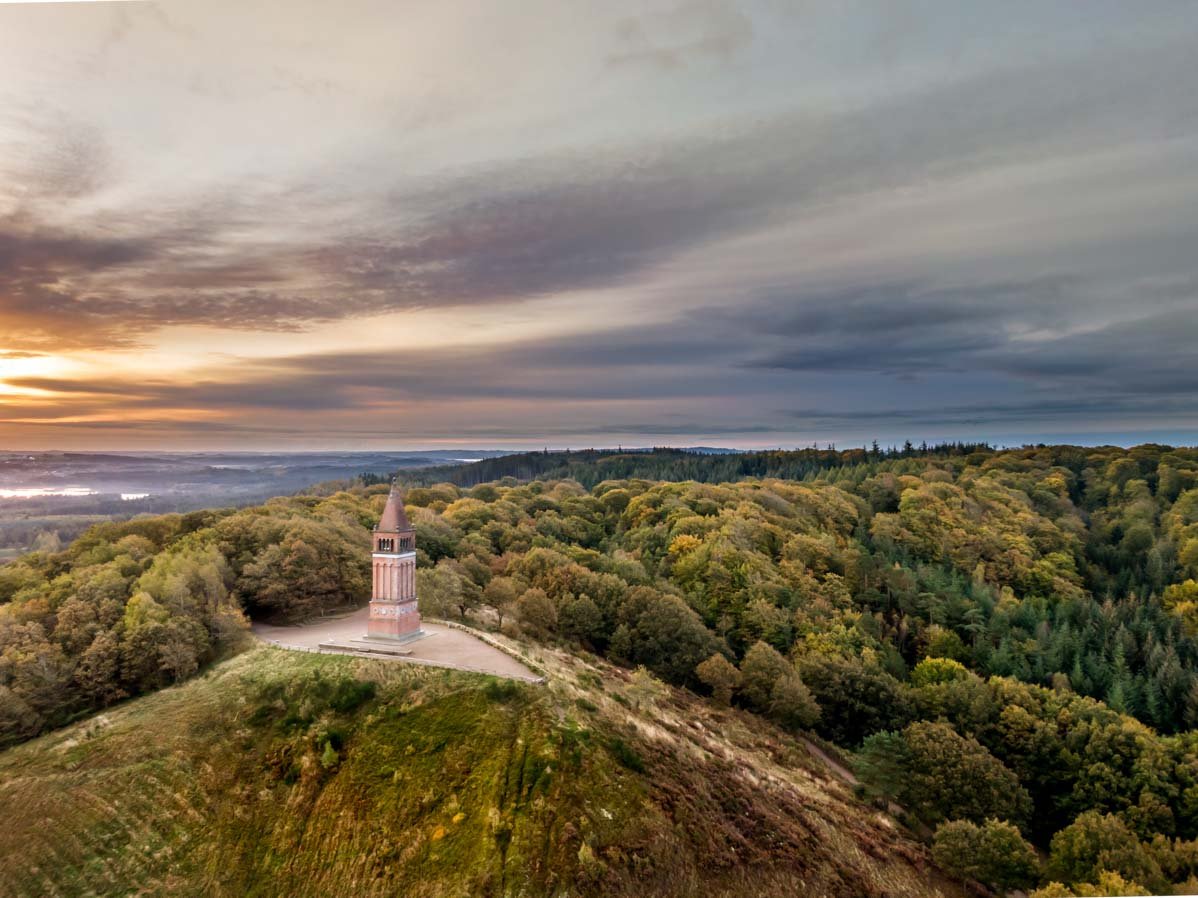
Himmelbjerget, translating to "The Sky Mountain," is a prominent hill situated between the towns of Ry and Silkeborg in the Søhøjlandet region of Jutland, Denmark. Standing at 147 meters above sea level, it is one of the highest natural points in Denmark. The summit offers panoramic views of the surrounding lakes and forests, making it a popular destination for tourists and nature enthusiasts. A notable landmark atop Himmelbjerget is the 25.1-meter-tall red brick tower, erected in 1875 to honor King Frederik VII for granting the Danish people their first constitution in 1849, thus ending absolute monarchy. The area has been a center for gatherings and celebrations for over two centuries and continues to be a significant cultural and natural attraction.
Where is it?
Gallery
Photography tips
- Panoramic Views: The summit provides sweeping vistas of the Silkeborg lakes and forests. Capturing these landscapes during sunrise or sunset can enhance the natural beauty with soft, golden light.
- Historical Architecture: The red brick tower at the peak is an iconic subject. Photographing it from different angles can provide varied perspectives, especially when framed against the sky.
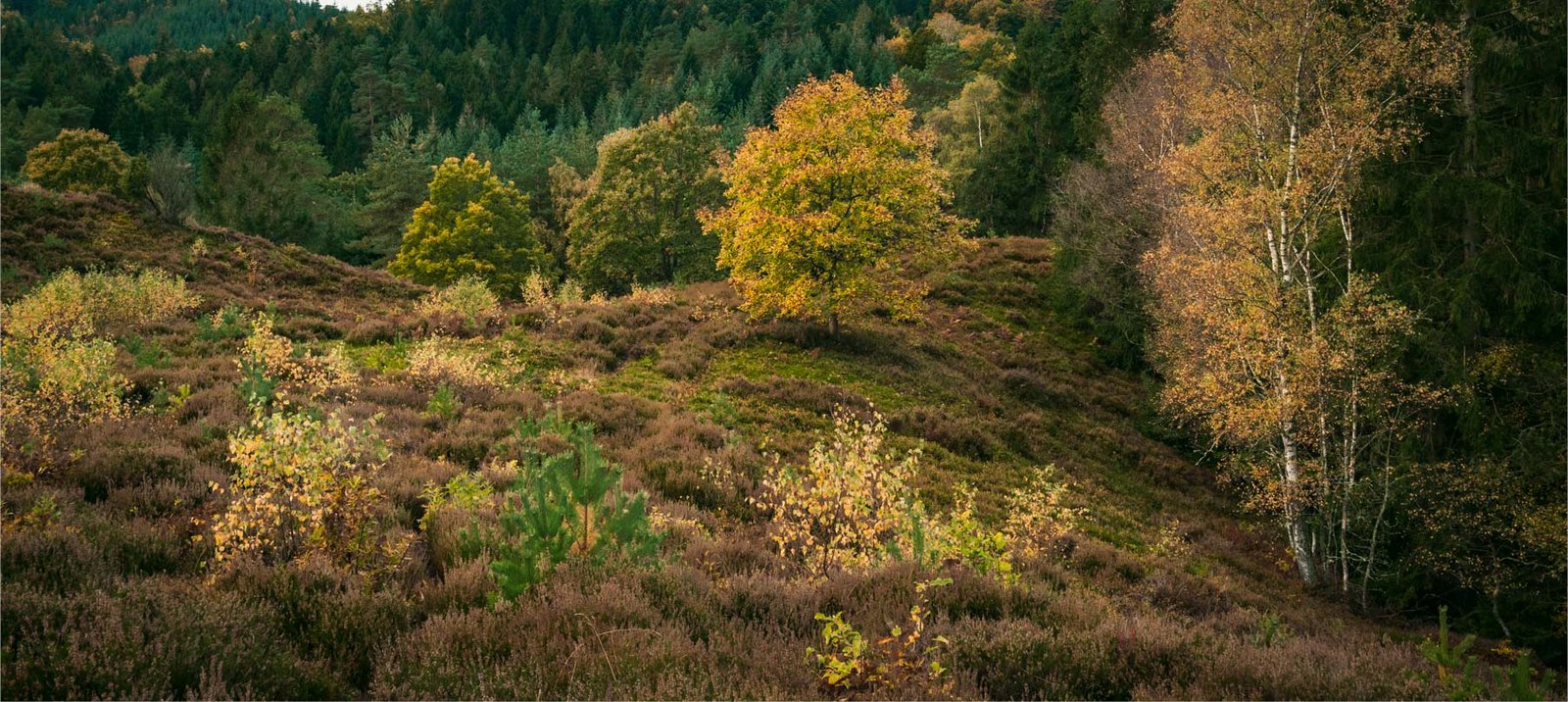
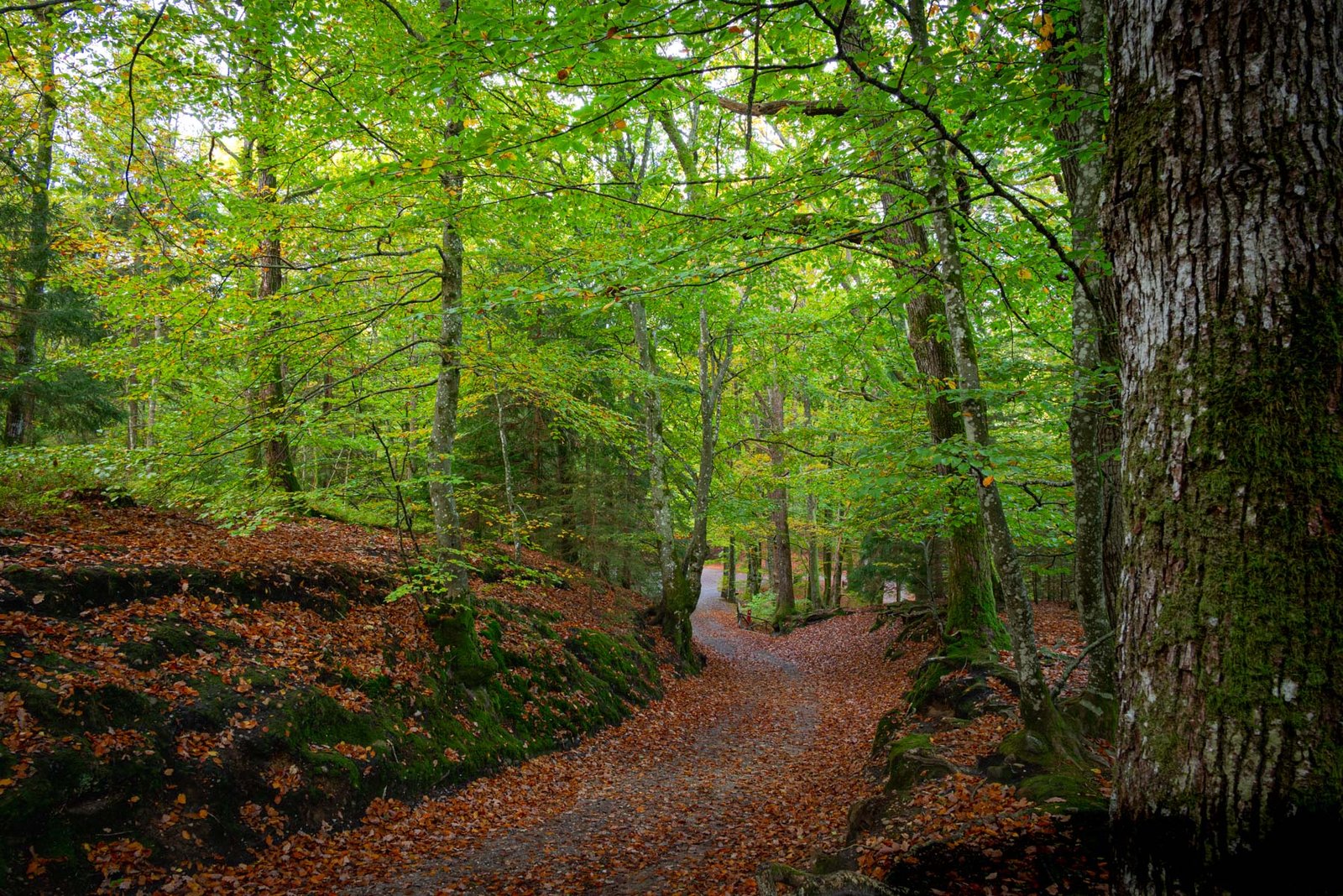
- Seasonal Changes: Each season offers unique photographic opportunities, from the lush greenery of summer to the vibrant foliage of autumn. Winter snow can add a serene and pristine quality to your images.
- Wildlife and Flora: The surrounding forests are home to diverse flora and fauna. Macro photography can capture the intricate details of local plant life, while a telephoto lens may be useful for photographing birds and other wildlife.
Hiking tips
- Trail Options: Himmelbjerget is accessible via several well-marked trails suitable for various fitness levels. The area is part of the larger Søhøjlandet region, which offers extensive hiking opportunities.
- Facilities: At the summit, visitors can find amenities such as food, refreshments, and souvenirs. It's advisable to carry water and wear appropriate footwear, especially if exploring longer trails.
- Guided Tours: For a more informative experience, consider joining guided tours that delve into the area's history, geology, and ecology.
- Seasonal Considerations: While the trails are accessible year-round, the best times to visit are from January through October. Always check weather conditions before your hike, as some paths may be affected by seasonal changes.