GERMANY

From the dense forests of the Black Forest to the rugged mountains of the Alps:
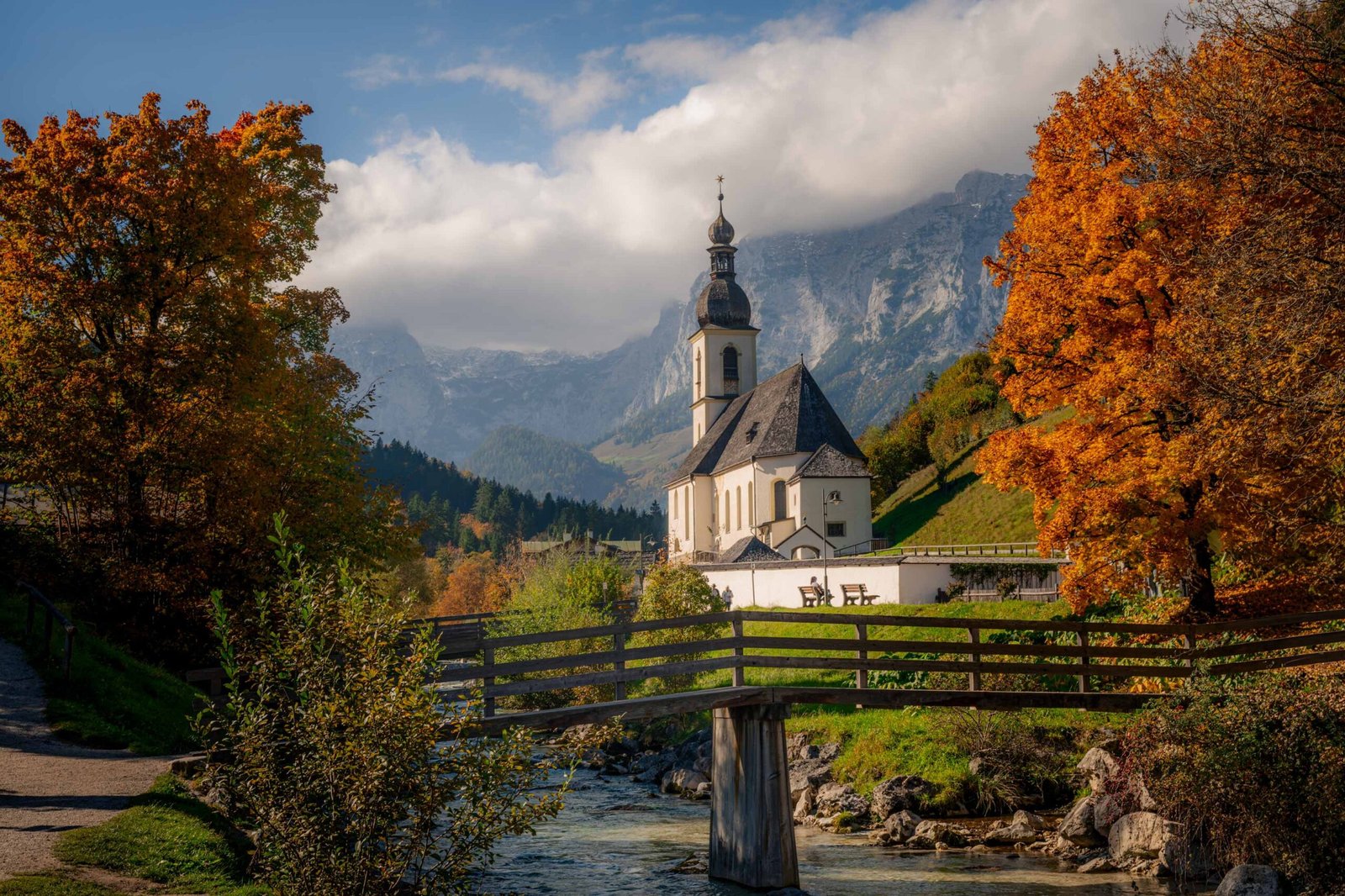
Germany offers a surprising variety of nature, culture, and photogenic landscapes. Ideal for those who love hiking, tranquility, charming villages, and vast natural areas.

Currency
Euro (€)

Time Zone
CET / UTC+1

Language
German, English in cities

Payment
Cash important, cards variable

Power Plug
Type F (European standard)

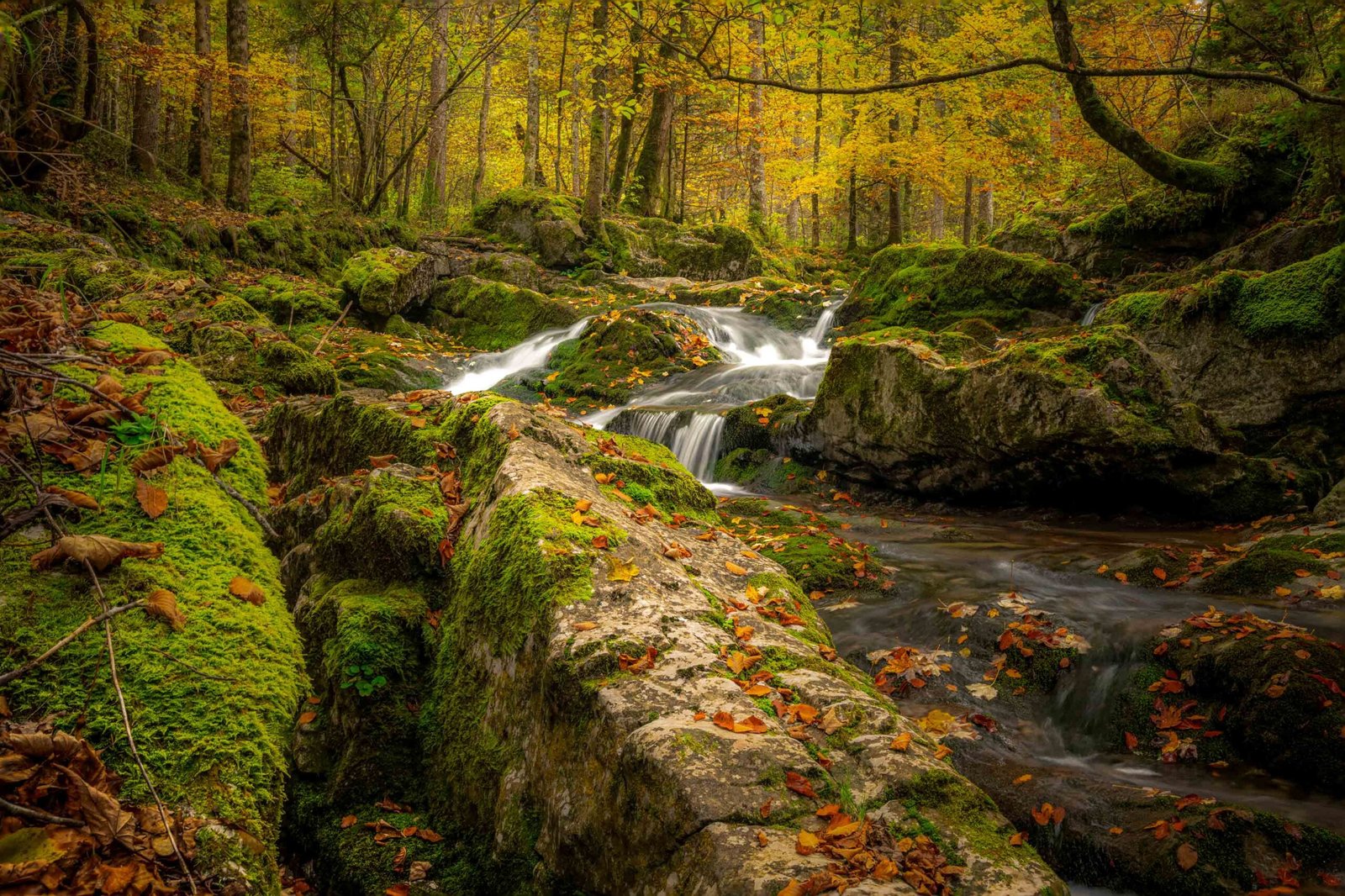
Germany offers a surprising diversity of landscapes. From the coastlines of the North Sea and Baltic Sea in the north to the majestic Bavarian Alps in the south – the country provides a world of possibilities for nature lovers and photographers. With 16 national parks, dozens of nature parks, and thousands of kilometers of hiking trails, Germany is an underrated destination for active travelers.

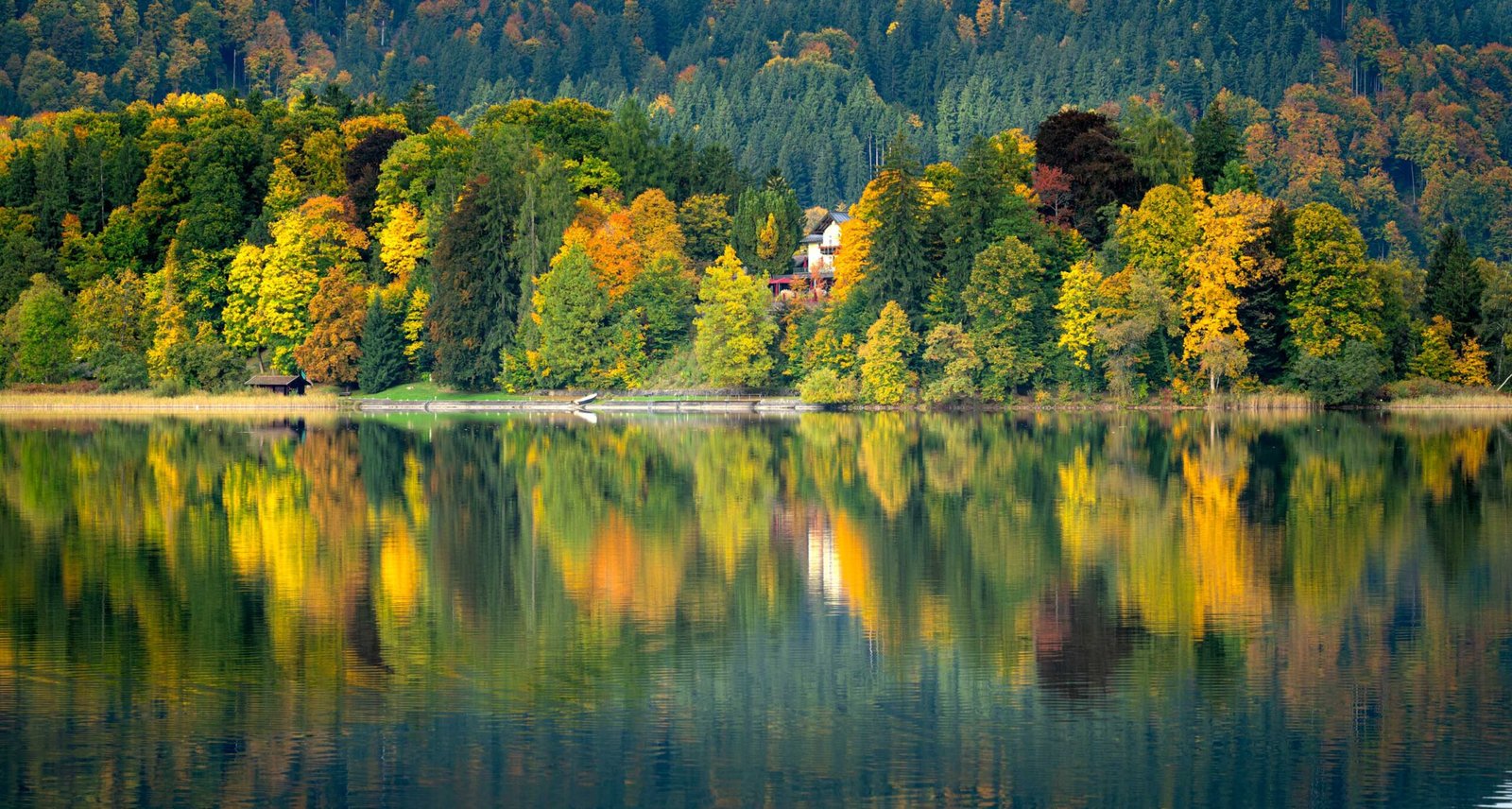
The Black Forest (Schwarzwald) is perhaps the most famous natural area: dark pine forests, picturesque villages, waterfalls, and the famous cuckoo clocks. The Bavarian Forest (Bayerischer Wald) together with Czech Šumava forms Central Europe’s largest contiguous forest. In Saxon Switzerland (Sächsische Schweiz), you’ll find spectacular sandstone formations reminiscent of the American Southwest, while the Lüneburg Heath turns purple with blooming heather in August. Then there are the Bavarian lakes around Garmisch-Partenkirchen, the vineyards of the Moselle and Rhine, and islands like Rügen and Sylt.

Germany is a hiking paradise with an excellent network of marked trails. Long-distance routes such as the Westweg through the Black Forest, the Malerweg (Painters’ Way) in Saxon Switzerland, and the historic Rennsteig through the Thuringian Forest attract hikers from around the world. For day hikes, there are countless ‘Premiumwege’ and ‘Qualitätswege’ – certified routes guaranteeing scenic beauty and good signposting. Cyclists find flat, well-maintained paths along the rivers (Rhine, Danube, Elbe, Moselle).

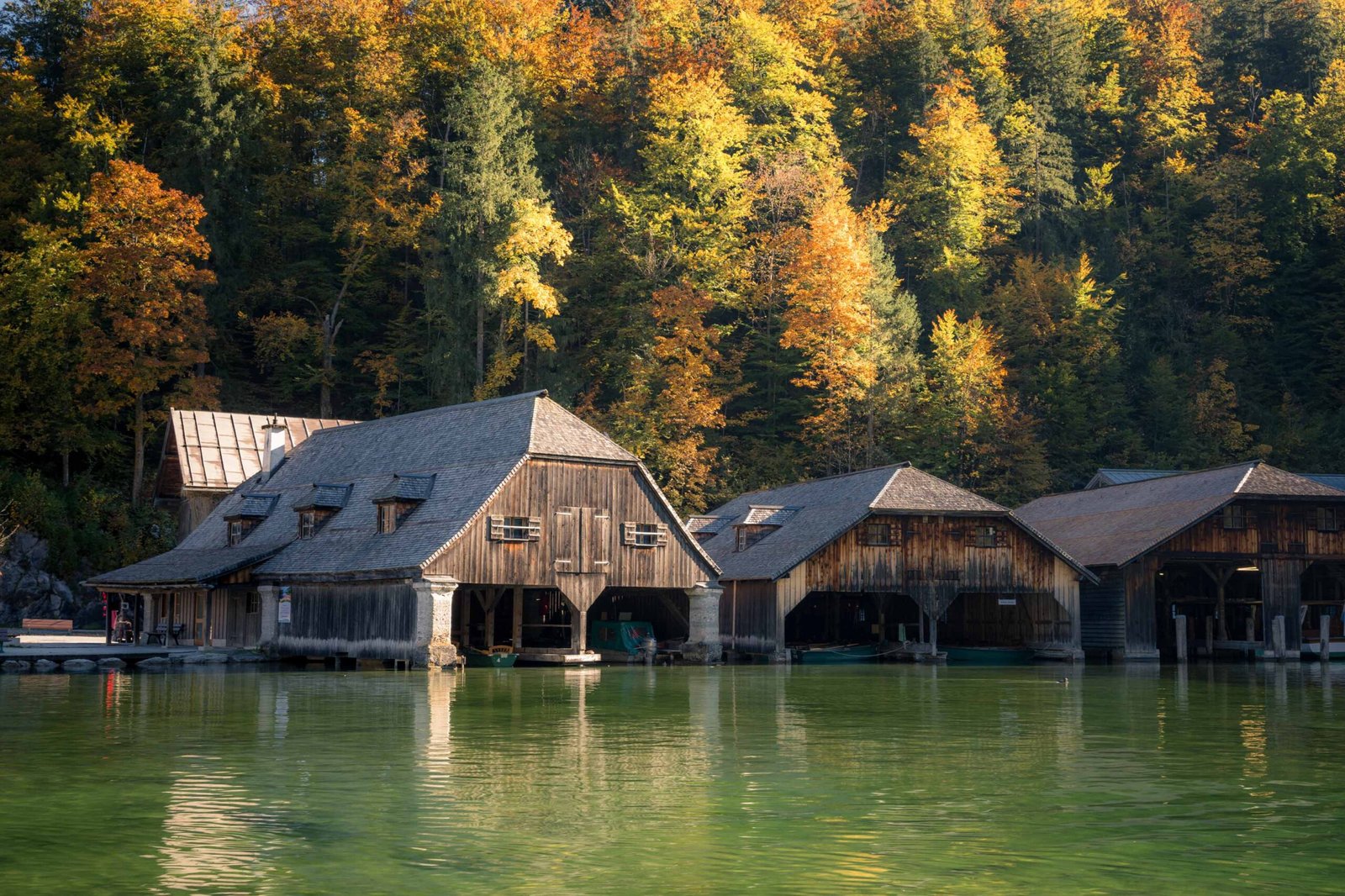
For photographers, Germany offers inexhaustible inspiration: fairy-tale castles like Neuschwanstein, medieval towns along the Romantic Road, misty forests, glittering lakes, and the dramatic rocks of Saxon Switzerland. The combination of accessibility, good infrastructure, affordability, and natural beauty makes Germany an ideal destination – whether for a weekend getaway or an extended road trip.


travel stories

My Germany Stories

Read more about destinations in beautiful Germany.

Josefsthaler Wasserfälle: Waterfall Photography at Schliersee

Moss-Green Valley and Soft Mountain Light in Bavaria Sometimes you don’t need much to completely [...]

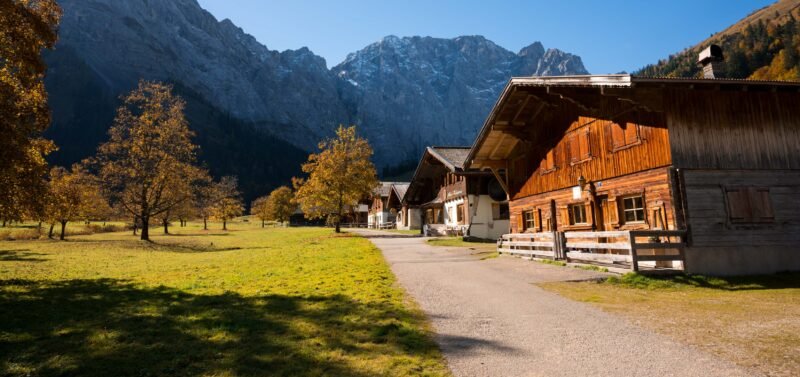
Grosser Ahornboden: Photography at the Ancient Maples of the Karwendel

Ancient Maples and Autumn Light in the Karwendel Mountains In the heart of the Karwendel [...]

Königssee, Ramsau and the Zauberwald: Hkining and Photography in the Bavarian Alps

Enchanting Landscapes in Southern Germany Autumn is always a highlight for me when it comes [...]

Autumn Photo Book with Locations in Germany

In my photo book about autumn, I collect the most beautiful stories and photographs of autumn locations — including various locations in Germany.

This autumn book contains 110 pages of the most beautiful photos and locations, compiled into a stunning publication.

  • Printed on high-quality glossy paper.
  • It makes a wonderful reference work or gift for anyone who loves nature or photography.
  • The locations include QR codes that give direct access to background information.

Destinations in Germany

Frequently Asked Questions about Germany

What is the best time to visit Germany?
For hiking and outdoor activities, May through September is ideal. July and August are warmest but also busiest. September is perfect: stable weather, autumn colors, and Oktoberfest. Christmas markets run from late November through Christmas. For winter sports: December to March in the Bavarian Alps or Black Forest. The weather is changeable, so always bring a rain jacket.
Do I need a visa to visit Germany?
Germany is part of the EU and Schengen Area. EU/EEA citizens can travel freely with just an ID card. Citizens of the US, UK, Canada, Australia, and New Zealand can visit for up to 90 days within any 180-day period without a visa. Your passport should be valid for at least three months beyond your planned departure. Note that Germany may implement temporary border controls at times.
Can I pay by card everywhere in Germany?
No, Germany has a strong ‘cash culture’ and many places only accept cash. Small bakeries, cafés, countryside guesthouses, and even some restaurants don’t take cards. Always carry sufficient cash! In major cities and chain stores, you can usually pay by card (Visa/Mastercard). American Express is rarely accepted. ATMs (Geldautomaten) are widely available – stick to major banks like Deutsche Bank, Sparkasse, or Commerzbank.
How do I get to Germany?
Germany is well connected. Major airports include Frankfurt, Munich, Berlin, and Düsseldorf with flights from across the world. Deutsche Bahn trains connect all major cities – the Deutschlandticket (€49/month) offers unlimited regional travel throughout Germany. By car, Germany’s autobahn network (often without speed limits) connects to neighboring countries. FlixBus provides budget bus connections across Europe.
Do I need a power adapter?
Germany uses type F plugs (also called Schuko), which is the European standard with two round pins and grounding clips. If you’re from the UK, US, or Australia, you’ll need an adapter. Travelers from most European countries (including the Netherlands, Belgium, France, and Spain) can use their plugs without an adapter. Voltage is 230V, same as the rest of Europe.
Is Germany expensive?
Germany is moderately priced compared to other Western European countries. Supermarkets are often cheaper than in the UK or Scandinavia – discounters like Aldi and Lidl offer great value. Dining out is comparable to or slightly cheaper than the UK. Accommodation varies widely from affordable hostels and campsites to expensive hotels in tourist areas. The Deutschlandticket (€49/month) makes public transport very affordable.
Is English widely spoken in Germany?
In major cities and tourist areas, many people speak English well, especially younger generations. In rural areas and among older people, English is less common. Germans greatly appreciate if you try a few words of German – ‘Guten Tag’ (hello), ‘Bitte’ (please), and ‘Danke’ (thank you) go a long way. In international hotels and attractions, English is usually no problem.

Climate & Best Time to Visit

Germany has a temperate climate with four distinct seasons. Weather is changeable, especially in spring. The south (Bavaria) is warmer in summer and colder in winter than the north. Coastal areas along the North and Baltic Seas are milder but windier. The Black Forest and Alps receive the most precipitation. Compared to the UK, summers are warmer and winters colder, especially inland.

Month Temp (°C) Rainy Days Sun Hours Suitable For
January -2 to 3 10 2 Winter sports, Christmas markets (early), cities
February -1 to 5 8 3 Winter sports, carnival
March 2 to 10 9 4 Early spring, cities, fewer crowds
April 5 to 14 9 6 Cherry blossoms, first hikes
May 9 to 19 10 7 Hiking, cycling, blooming nature
June 12 to 22 11 8 Hiking, cycling, longest days
July 14 to 24 11 7 All outdoor activities, beaches
August 14 to 24 10 7 Hiking, Lüneburg Heath (purple!)
September 10 to 19 8 6 Hiking, photography, wine festivals, Oktoberfest
October 6 to 14 8 4 Autumn colors, wine, peaceful
November 2 to 8 9 2 Shoulder season, Christmas markets (late)
December -1 to 4 10 1 Christmas markets, winter atmosphere, skiing

Tip for photographers: September and October offer the best conditions: stable weather, autumn colors, and atmospheric mist in the valleys. The Lüneburg Heath blooms purple from mid-August to early September. For Neuschwanstein Castle, the best hours are early morning (fewer tourists, beautiful light) or winter with snow.

Useful Links

A collection of helpful websites for planning your trip to Germany.

Official Tourism

National Parks

Hiking

Cycling

Transport

  • Deutsche Bahn – train travel, including Deutschlandticket info
  • FlixBus – budget bus connections
  • ADAC – traffic information and roadside assistance

Weather

Accommodation