

NORWAY
From deep fjords and high waterfalls to quiet lakes and vast mountain plateaus: Norway is a land of raw nature, gentle light, and endless space. An ideal destination for hikers, photographers, and travelers who enjoy discovering in silence.


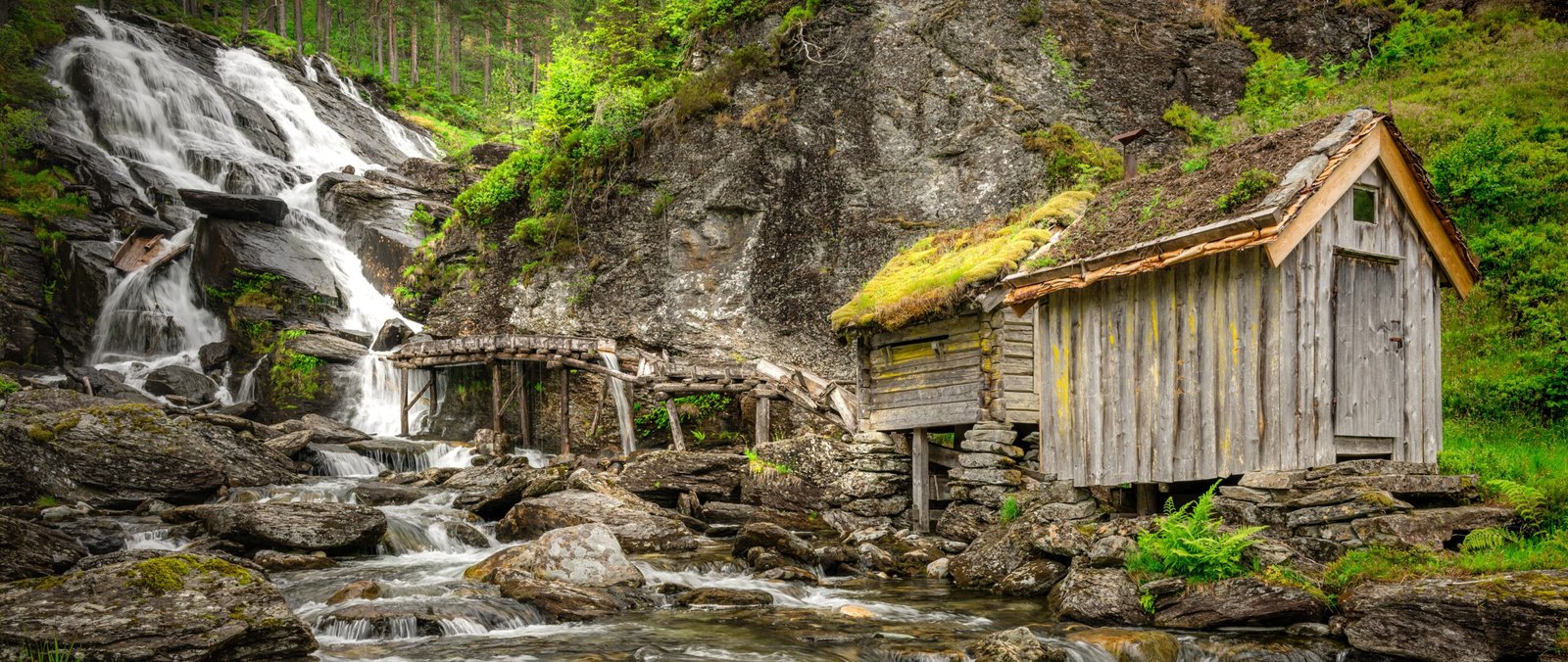
From deep fjords and high waterfalls to quiet lakes and vast mountain plateaus: Norway is a land of raw nature, gentle light, and endless space. An ideal destination for hikers, photographers, and travelers who enjoy discovering in silence.
Norway is the ultimate destination for nature lovers and photographers. From deep blue fjords and snow-capped peaks to the dramatic Lofoten Islands and magical Northern Lights – Norway offers landscapes found nowhere else on Earth. With more than 1,100 fjords, numerous glaciers, and endless wilderness, this Scandinavian country is a paradise for outdoor enthusiasts.
Norway’s iconic hikes are among the most spectacular in the world. Trolltunga (the Troll’s Tongue), a rock formation jutting 700 meters above Lake Ringedalsvatnet, is legendary. Preikestolen (Pulpit Rock) offers breathtaking views 604 meters above the Lysefjord, while Kjeragbolten – a boulder wedged between two cliffs – provides a nerve-wracking photo opportunity. Lesser-known routes like Romsdalseggen near Åndalsnes and the Besseggen ridge in Jotunheimen also offer unforgettable experiences.
The land of the Midnight Sun (May-July above the Arctic Circle) and the Northern Lights (September-March) offers unique experiences year-round. Bergen, the colorful ‘Gateway to the Fjords’, is a perfect base for fjord cruises and train journeys on the famous Flåm Railway. The Lofoten Islands with their dramatic mountain peaks, picturesque fishing huts, and surf beaches are a must for photographers. And for those seeking true wilderness: the Hardangervidda plateau (Europe’s largest high mountain plateau) is home to wild reindeer and untouched nature.
Norway embraces nature with the unique ‘allemannsretten’ (right to roam) – the freedom to hike anywhere and wild camp for up to 48 hours. Crystal-clear tap water (bring a reusable bottle!), well-maintained DNT mountain huts, and a safe society make Norway an ideal destination. Yes, it’s expensive, but the natural beauty and adventurous possibilities are priceless.
travel stories
Read more about the destinations in beautiful Norway.
I’m a huge fan of the Nordic Countries. The landscape has something to it that [...]
No locations found for this trip.
Thanks to the Gulf Stream, Norway has a much milder climate than you’d expect at this latitude. The coast is relatively mild; inland and northern areas are colder with more snow. Weather is changeable – especially on the west coast (Bergen receives a lot of rain). The south and east (Oslo region) have warm summers and cold winters. The temperatures below are averages for Southern Norway; the north is colder.
| Month | Temp (°C) | Rainy Days | Sun Hours | Suitable For |
|---|---|---|---|---|
| January | -5 to 1 | 10-15 | 1-2 | Northern Lights, winter sports, husky sledding |
| February | -5 to 2 | 8-12 | 2-3 | Northern Lights, skiing, polar nights ending |
| March | -2 to 5 | 8-12 | 4-5 | Winter sports, longer days, Northern Lights |
| April | 2 to 10 | 8-12 | 6-7 | Transition season, waterfalls (snowmelt) |
| May | 7 to 15 | 8-10 | 8-10 | Spring, blossoms, first hikes |
| June | 10 to 20 | 8-12 | 10+ | Midnight Sun, hiking, fjords |
| July | 13 to 22 | 10-14 | 8-10 | Warmest month, all trails open |
| August | 12 to 20 | 10-14 | 7-8 | Hiking, berry picking |
| September | 8 to 15 | 10-14 | 5-6 | Autumn colors, fewer crowds, Northern Lights begin |
| October | 3 to 10 | 12-16 | 3-4 | Autumn, Northern Lights, cities |
| November | -1 to 5 | 12-16 | 1-2 | Northern Lights, winter sports begin |
| December | -4 to 2 | 12-16 | 0-1 | Christmas atmosphere, polar nights (north), winter sports |
Tip for photographers: The Midnight Sun (June-July above Arctic Circle) offers endless ‘golden hour’ light. Northern Lights are best seen September to March in the north (Tromsø, Lofoten). Autumn colors in September are spectacular. Note: famous hikes (Trolltunga, Preikestolen) are only snow-free from June to September – outside this period, a guide is required.
A collection of helpful websites for planning your trip to Norway.