About this place
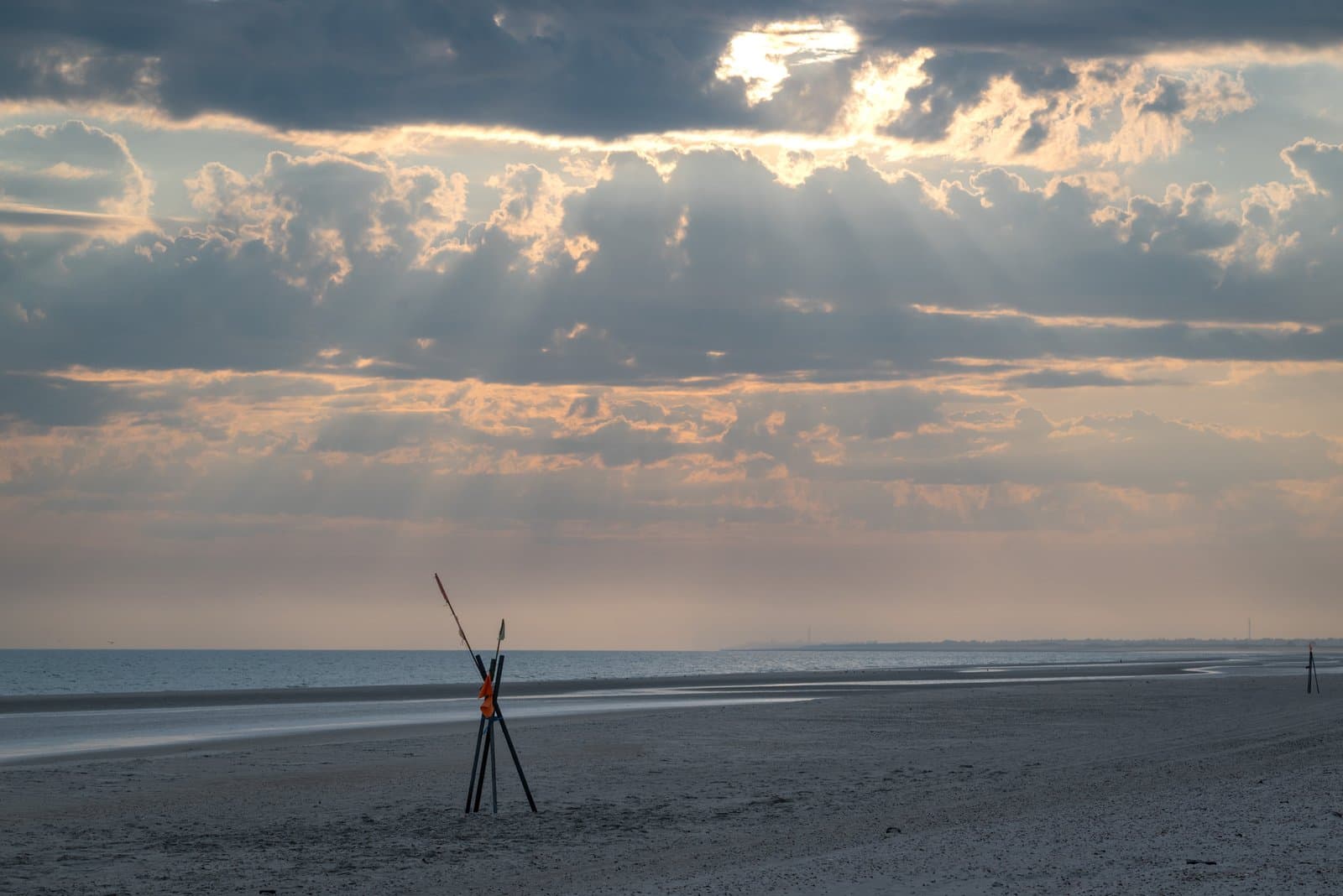
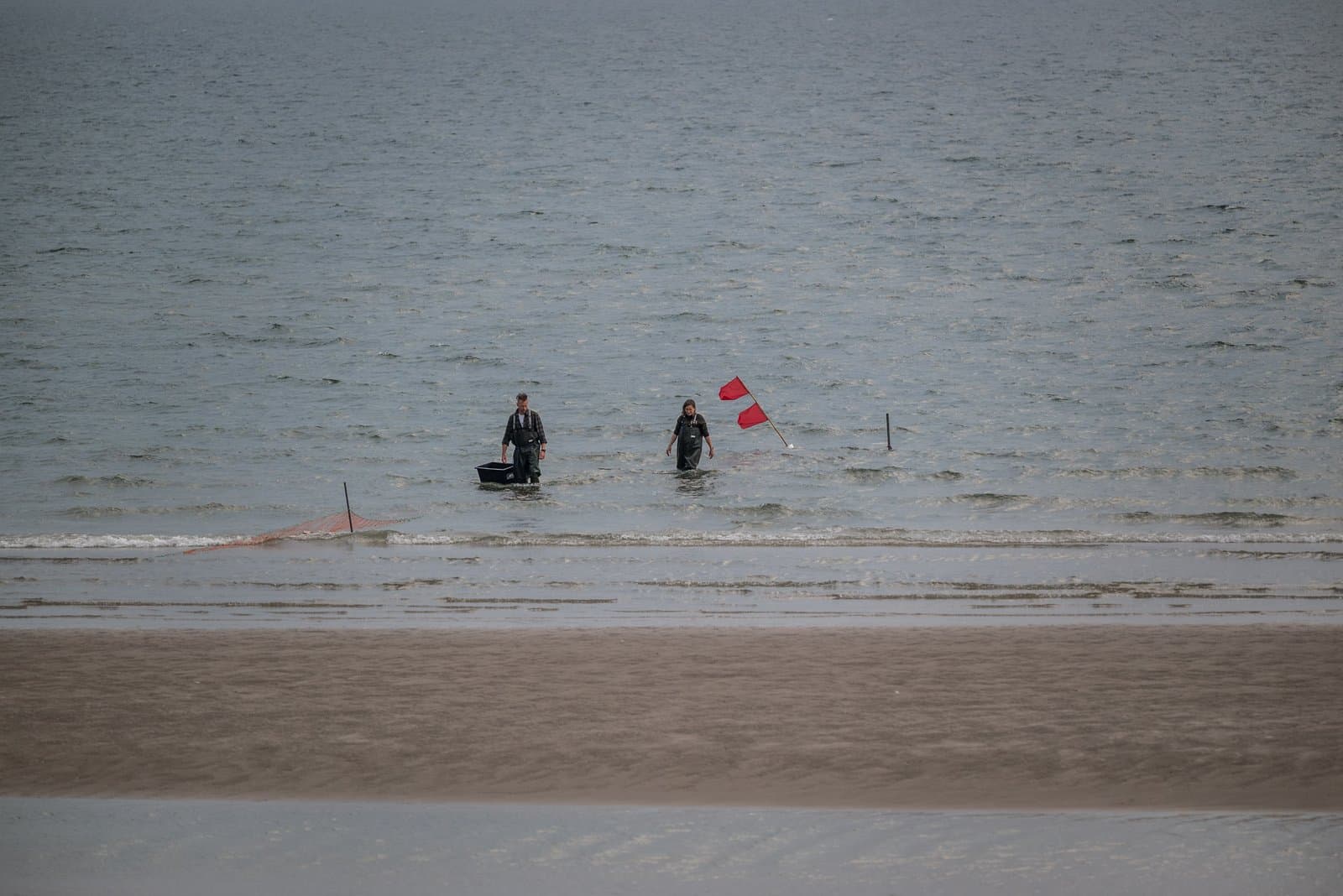
At the far southwestern edge of Denmark, where land slowly yields to the sea, lies Skallingen — a vast, windswept peninsula of sand, salt marsh, and sky. Together with Høje Knolde Strand, it forms one of the most open and untouched coastal landscapes in the country, a place where silence stretches as far as the horizon. Here, the Wadden Sea meets the North Sea, and the tides shape everything — dunes, pools, channels, and the rhythm of life itself.
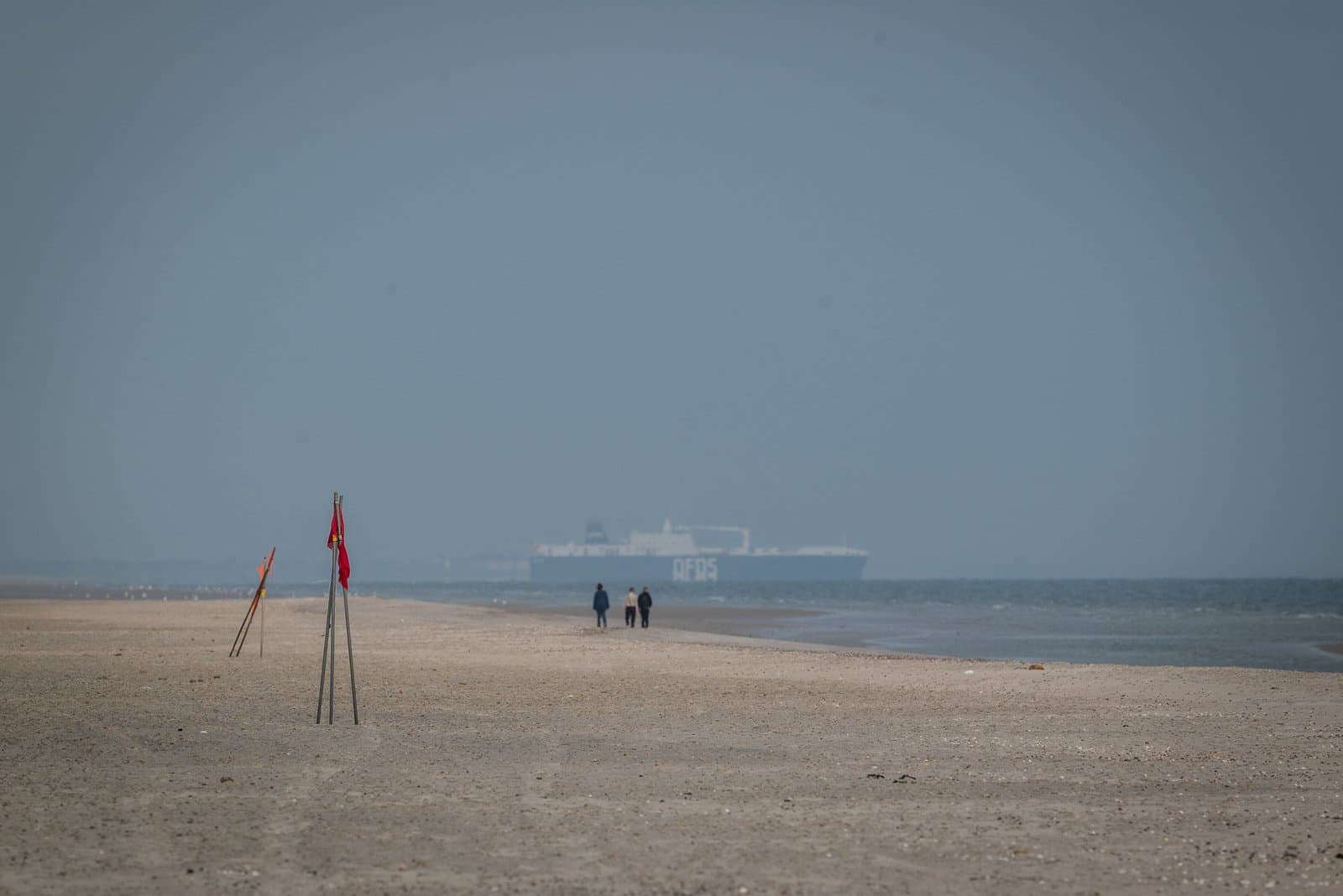
Skallingen is part of the Wadden Sea National Park, a UNESCO World Heritage site, yet it feels remote and wild. The peninsula is constantly changing — shifting sands, growing dunes, and newly formed lagoons appear with each storm. Walking here is an encounter with pure nature: wide beaches where windblown patterns ripple across the sand, sea lavender blooming in summer, and flocks of migratory birds tracing patterns across the sky. There are no buildings, no roads, no noise — only the wind, the surf, and the distant cry of geese.
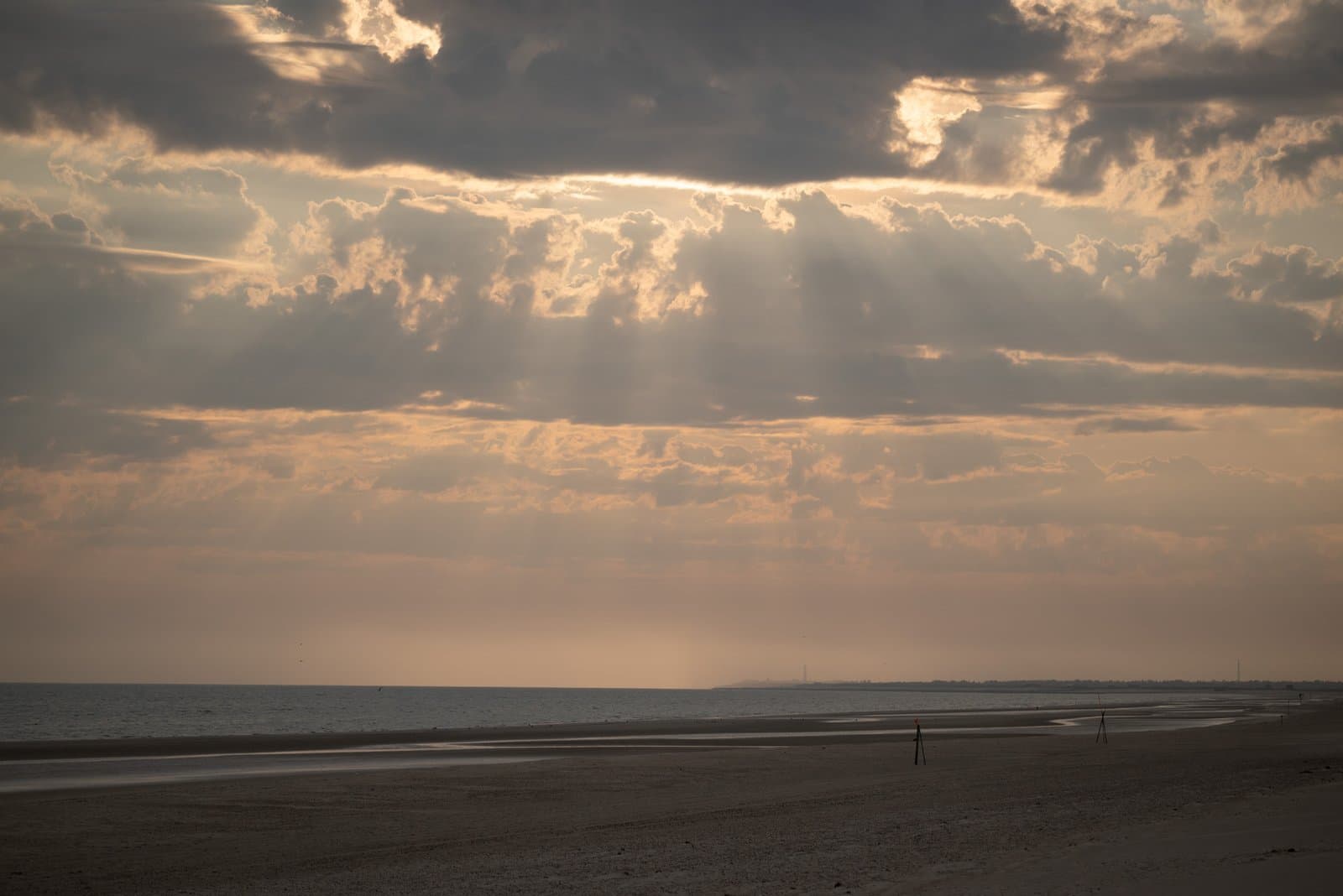
Høje Knolde Strand, on the western side of the peninsula, is equally beautiful and even more exposed. Here, the dunes rise in gentle curves above the beach, offering endless views over the open North Sea. The beach seems infinite — a painterly landscape of light and texture, constantly transformed by tide and weather. At sunset, the sand glows warm and golden, and the sea becomes a mirror of sky. It’s one of those rare places where you can feel the world slow down — vast, empty, and deeply peaceful.
Best time to visit
- Sunset for warm tones and low, soft light.
- Early morning for solitude and calm air.
- Spring and autumn for migratory birds and dynamic weather.
- Winter for mist and clear, silver-blue tones.
Practical tips
- Access from the parking area at Sønderballevej or via Blåvandshuk; trails lead through dunes and marsh.
- Parts of Skallingen are closed seasonally to protect wildlife — check local signs.
- Bring windproof clothing, water, and respect for the tides; this is an exposed, living landscape.
- No facilities — it’s pure wilderness.
Golden Hour & Blue Hour
00:54
Morning Nautical twilight Start
02:17
Morning Civil twilight Start
01:35
Morning Blue hour Start
03:08
Morning Sunrise Start
03:13
Morning Golden hour Start
18:43
Evening Golden hour End
19:41
Evening Sunset Start
21:14
Evening Blue hour End
20:32
Evening Civil twilight End
21:55
Evening Nautical twilight End
Times calculated from coordinates using suncalc.
Current weather

12°C
overcast clouds
- Feels like
- 12°C
- Humidity
- 90%
- Wind speed
- 5.1 m/s
- Wind direction
- SW (240°)
- Sunrise
- 03:07
- Sunset
- 19:40
Hourly forecast
- Feels like:
- 12°C
- Humidity:
- 89%
- Wind speed:
- 3 (Gentle breeze)
- Wind direction:
- SW
- Cloud cover:
- 92%
- Dew point:
- 10.9°C
Photography tips
- The open beach of Høje Knolde with long, undisturbed horizons.
- Dunes and patterns of sand and grass shaped by the wind.
- Minimalist seascapes at low tide.
- Migratory birds and silhouettes against the evening sky.
- Golden-hour light over the tidal flats and pools.
Hiking tips
- Skallingen loop trail: 8–10 km round trip through dunes and along the beach.
- Høje Knolde route: 4–6 km along ridge and coast; exceptional views.
- Connection to Blåvandshuk Fyr: extended day hike across shifting dune terrain.
- Terrain: sandy, open, and exposed; moderate difficulty depending on weather.
Routes
Hikes & rides from here
Skallingen Beach – Tip of the Skallingen Peninsula
- Distance
- 15.5 km
- Ascent
- 5 m
- Descent
- 4 m
- Duration
- 3h 54m
This route along the beach and the tip of the [skallingen] peninsula is not a walk for anyone in a hurry. Fifteen and a half kilometres through sand, wind and almost nothing else — it asks something of your legs and perhaps even more of your patience. The terrain is barely challenging in a technical sense; there are no steep inclines, because the landscape lies as flat as an open hand. But it is precisely that absence of structure that makes it demanding in a different way. You walk through soft beach sand and along narrow paths through salt marsh, with nothing to anchor yourself to on the horizon except the sky itself. After a while, the rhythm of that emptiness begins to loosen something.
What makes [skallingen] so strangely beautiful is how little has managed to hold its ground here. The peninsula is in constant motion — the wind reshapes the sand, the water pushes inland and pulls back again, and the boundary between land and sea feels more like an agreement than a fact. Photographically, that quality is both gift and challenge: the light falls wide and unobstructed, shadows stretch long, and the texture of the wet beach at low tide gives the images a quiet, almost graphic quality. But there is little to hold onto — no dramatic rocks, no trees. Those accustomed to legible subjects will need to learn, here, to look for what is precisely not there.
The route suits walkers who prefer space over company, and who are willing to cover a good distance for a feeling rather than a view. Cyclists can ride part of the way, but the soft sand along the coast makes most of it a matter of going on foot. Take your time, take a rain jacket, and go on a cloudy day if you can — because cloudy here means living light.
Gallery