BORNHOLM

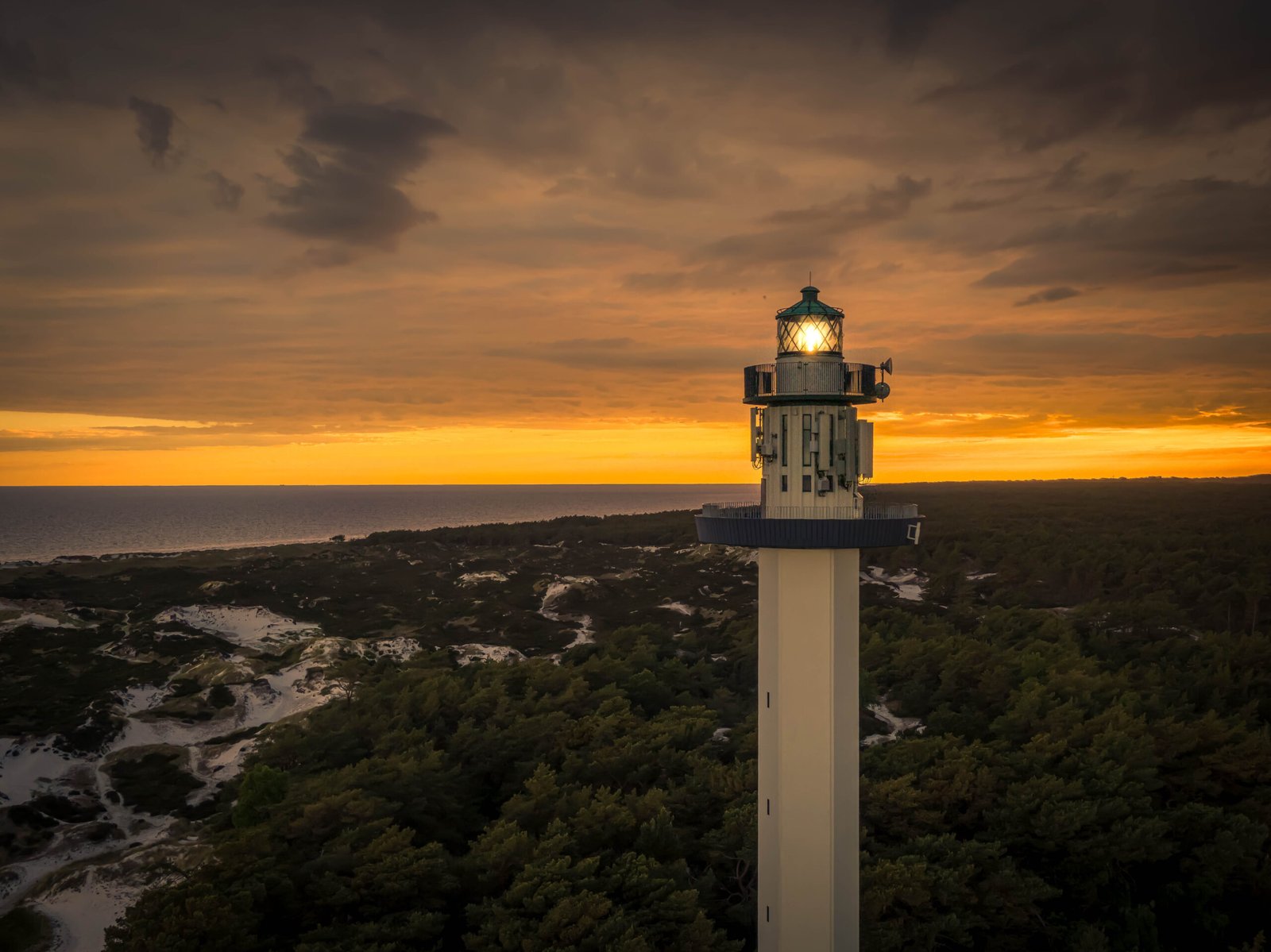
From the rugged granite cliffs of Hammershus to the quiet beaches of Dueodde:
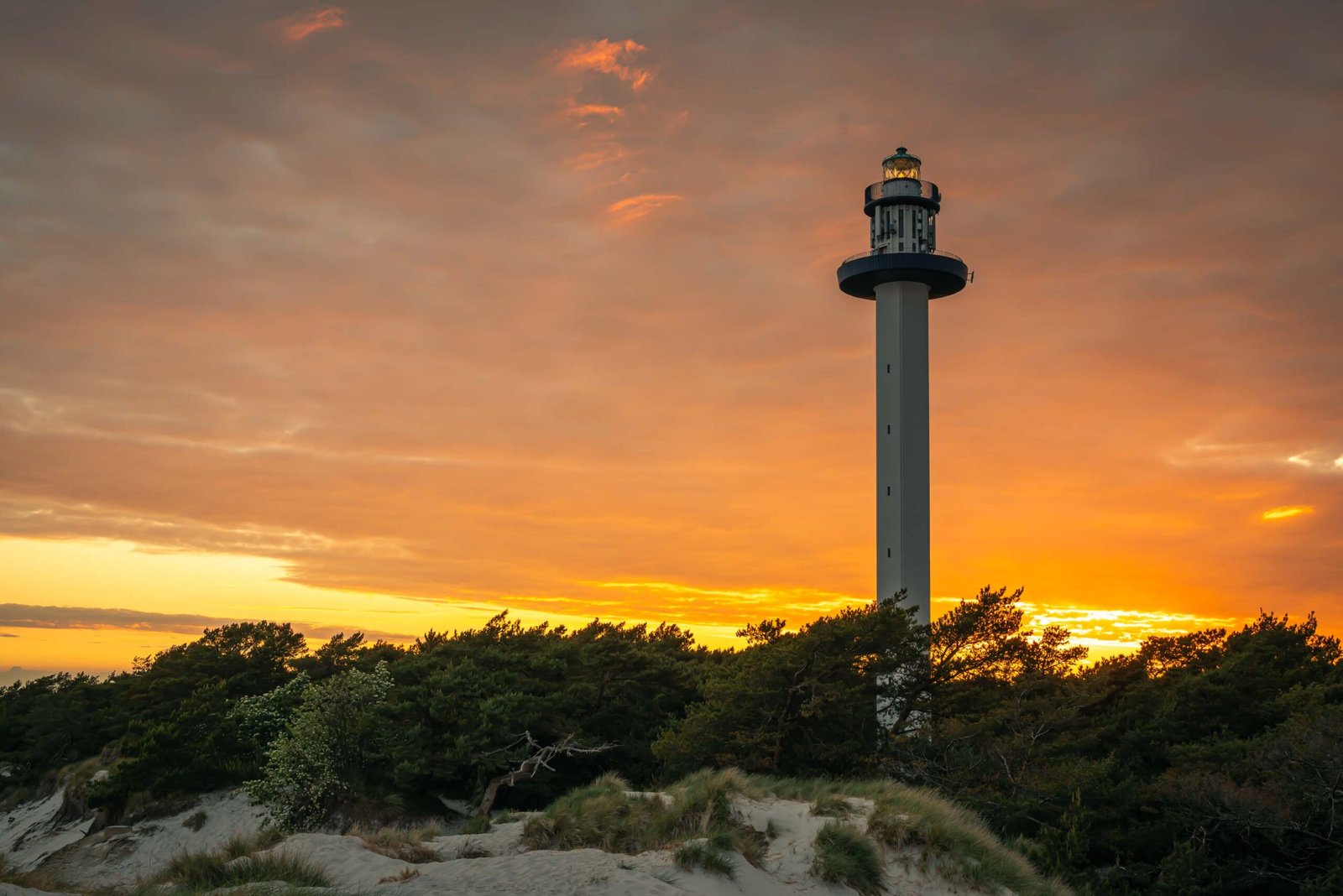
Bornholm is an island where nature, light, and tranquility come together. It offers a unique mix of coastal trails, photogenic landscapes, and charming villages. Perfect for hikers, photographers, and anyone who enjoys discovering new places at a relaxed pace.

Currency
Danish Krone (DKK)

Time Zone
CET / UTC+1

Language
Danish, English widely spoken

Payment
Cards accepted everywhere

Power Plug
Type K (adapter may be needed)

Bornholm is a Danish island situated in the heart of the Baltic Sea, approximately 200 kilometers east of Copenhagen. The island lies closer to Sweden, Poland, and Germany than to mainland Denmark, giving it a unique geographical position. With an area of nearly 600 km², Bornholm is compact enough to explore in a week, yet large enough to keep surprising you.

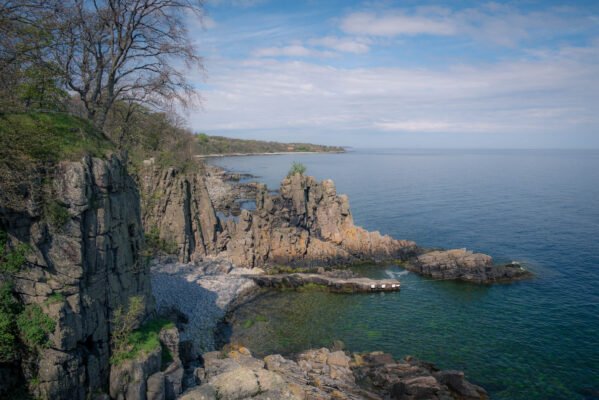
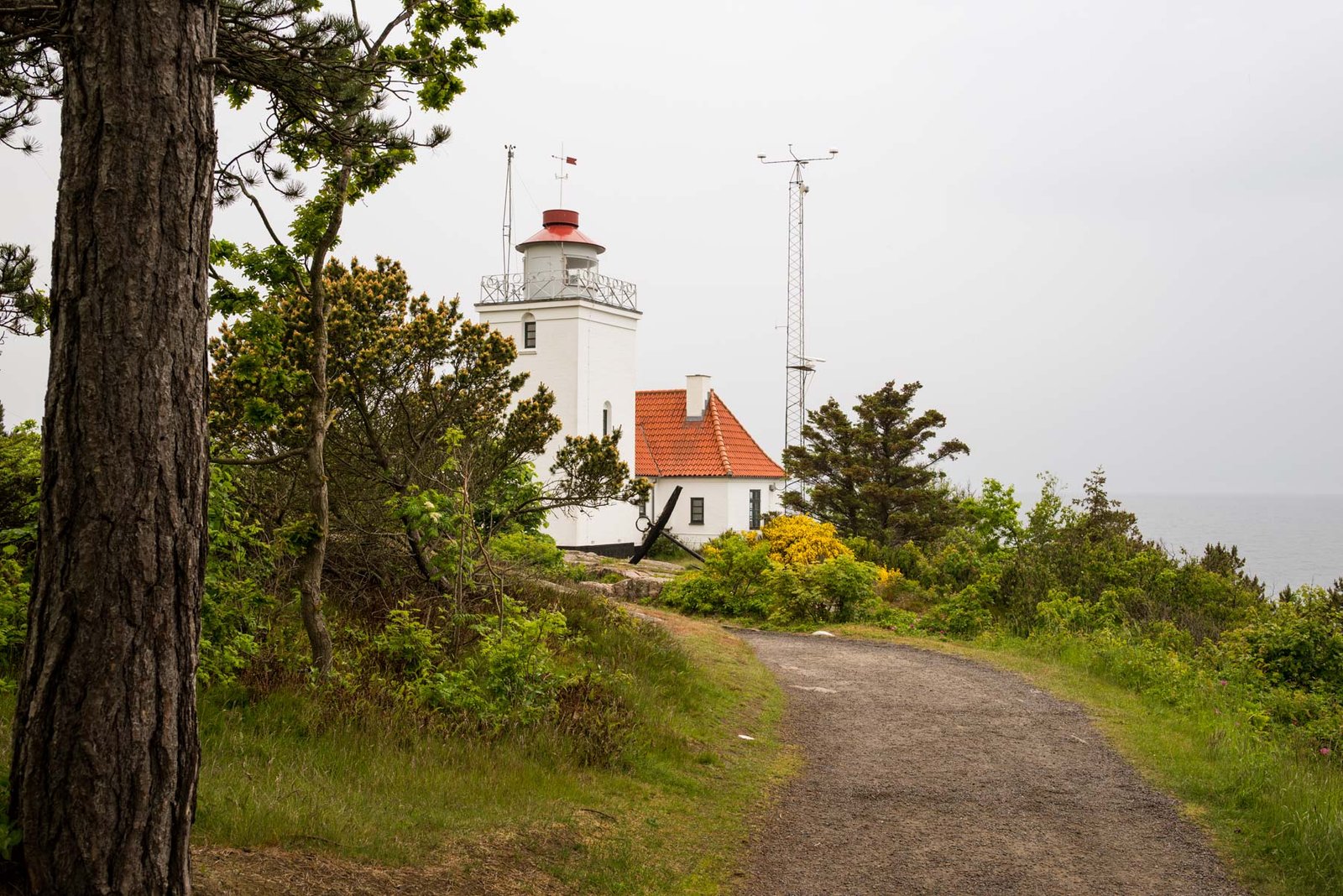
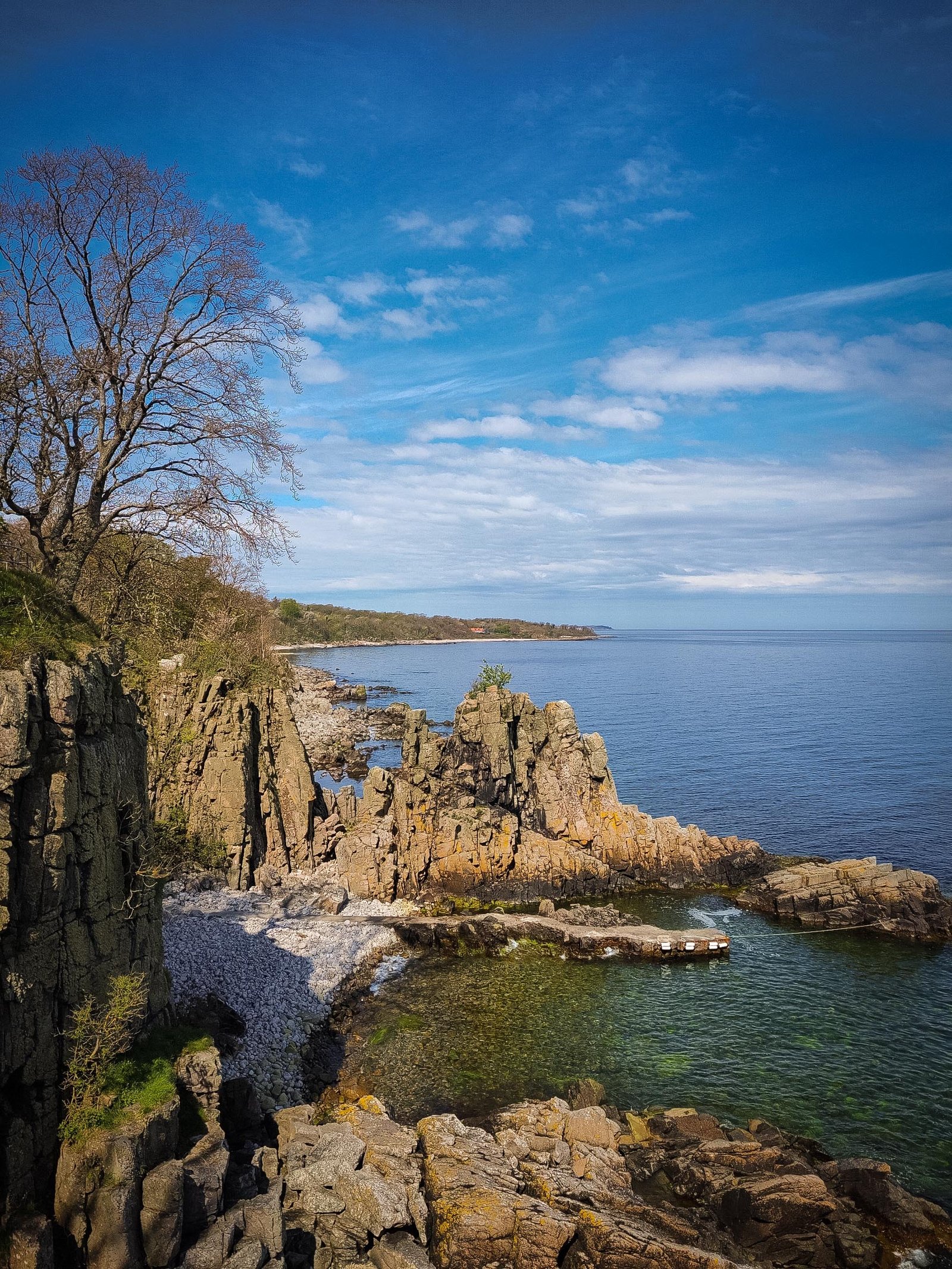
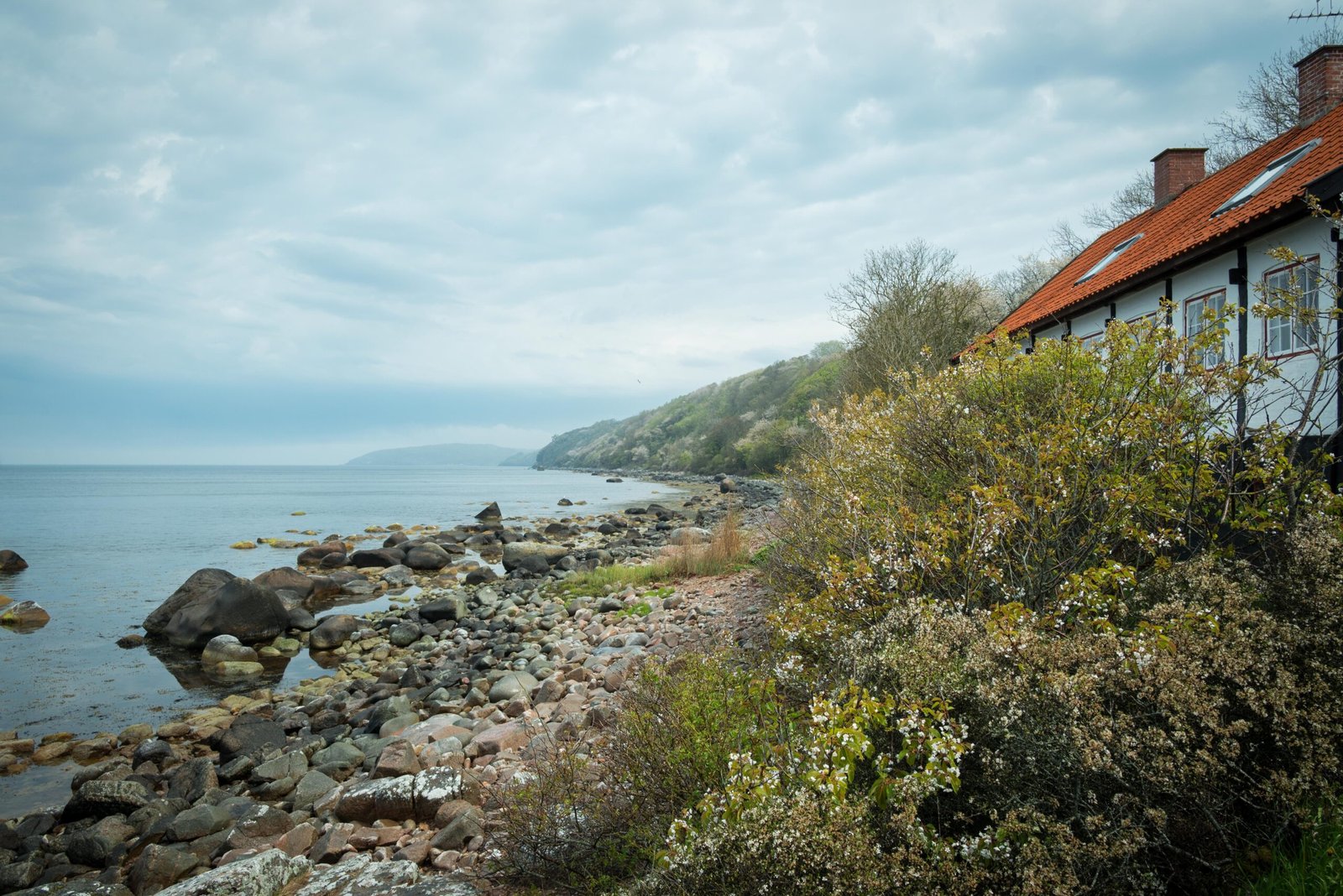
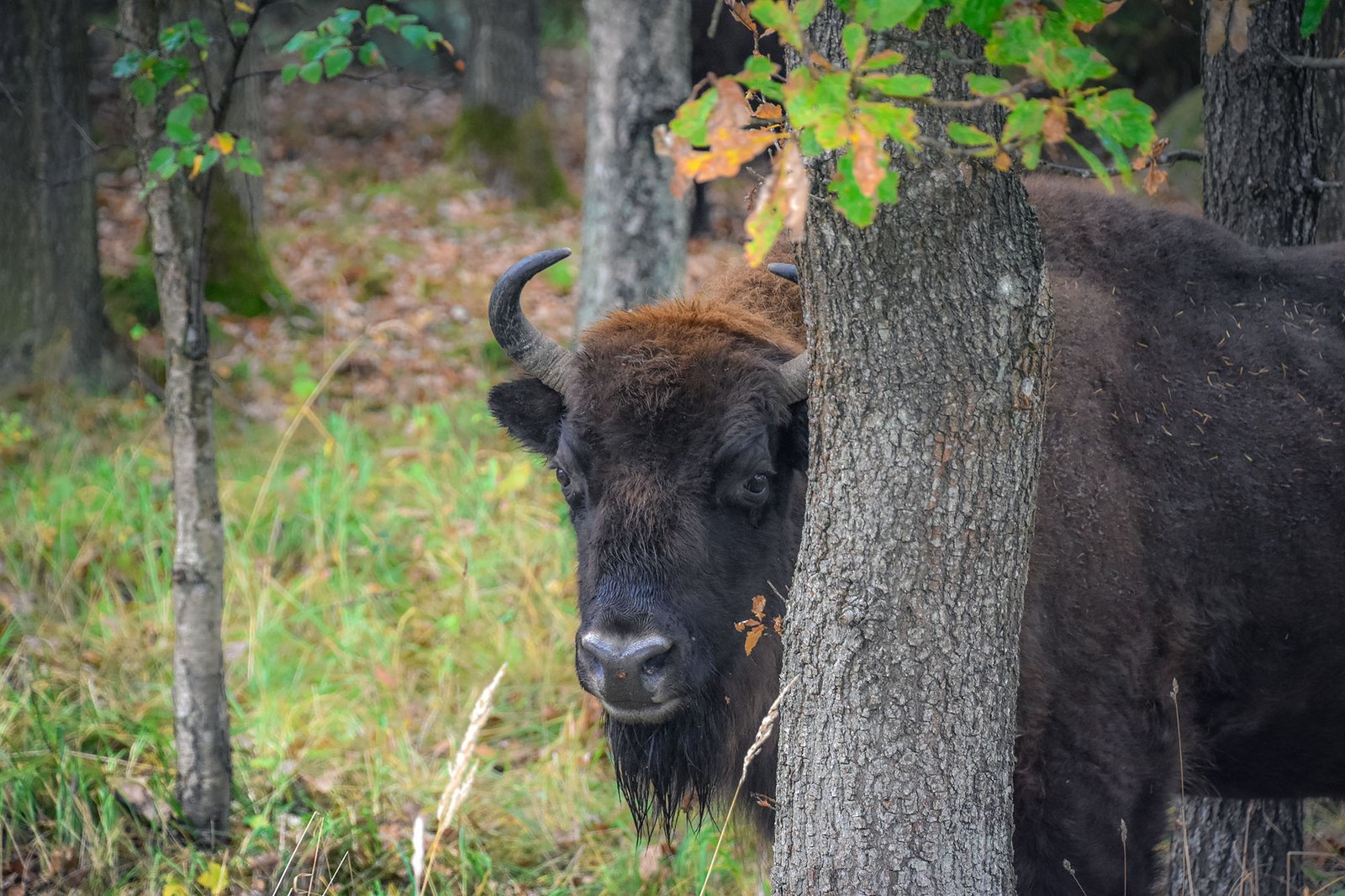
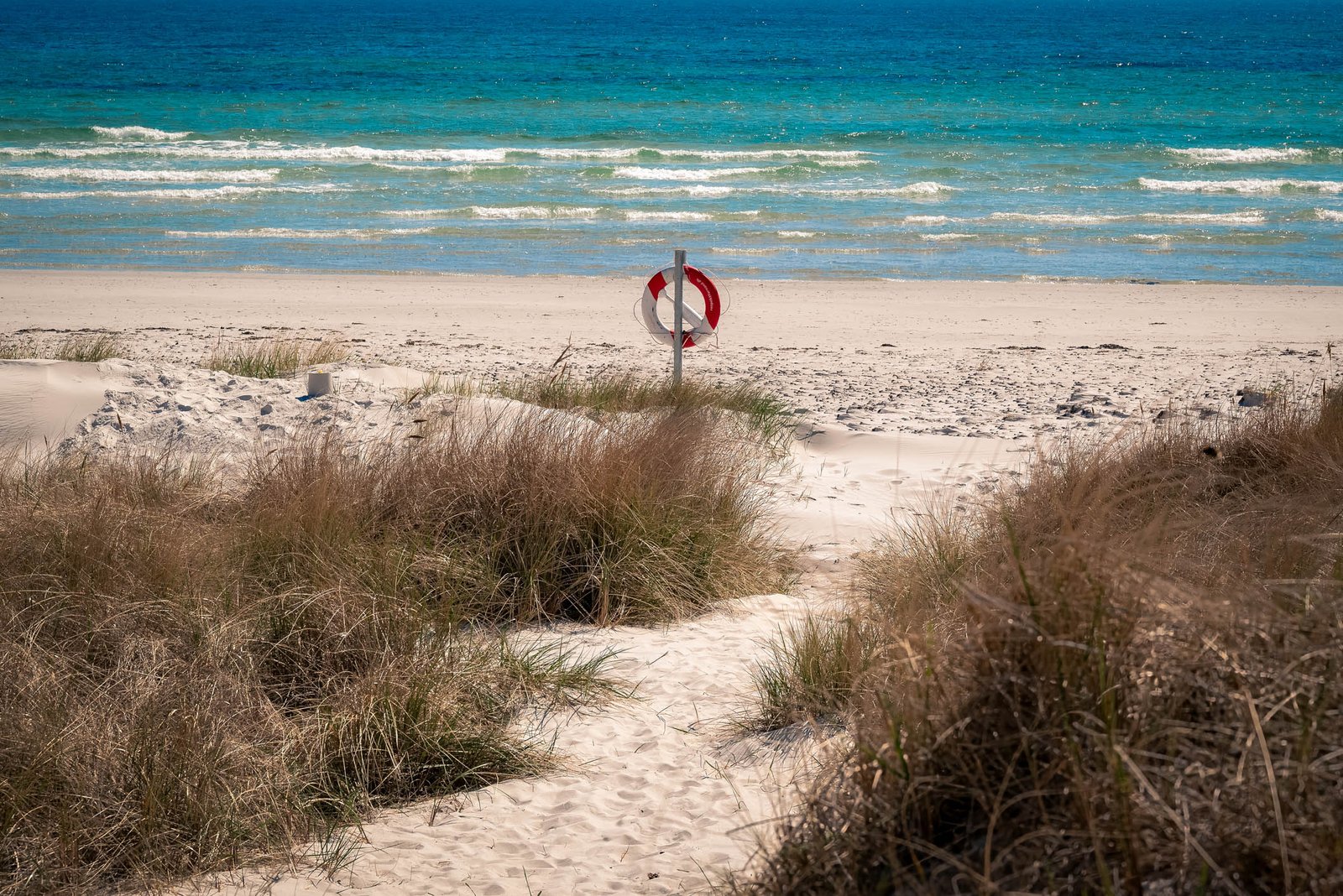
What makes Bornholm truly special is its remarkable landscape diversity. In the north, you’ll find dramatic rocky coastlines, steep cliffs, and the spectacular Helligdomsklipperne – rock formations sculpted by centuries of wind and waves. The south offers a striking contrast with kilometers of pristine white sandy beaches at Dueodde, considered among the finest in Northern Europe. At the island’s heart lies Almindingen, Denmark’s third-largest forest, where European bison have roamed freely since their reintroduction in 2012.

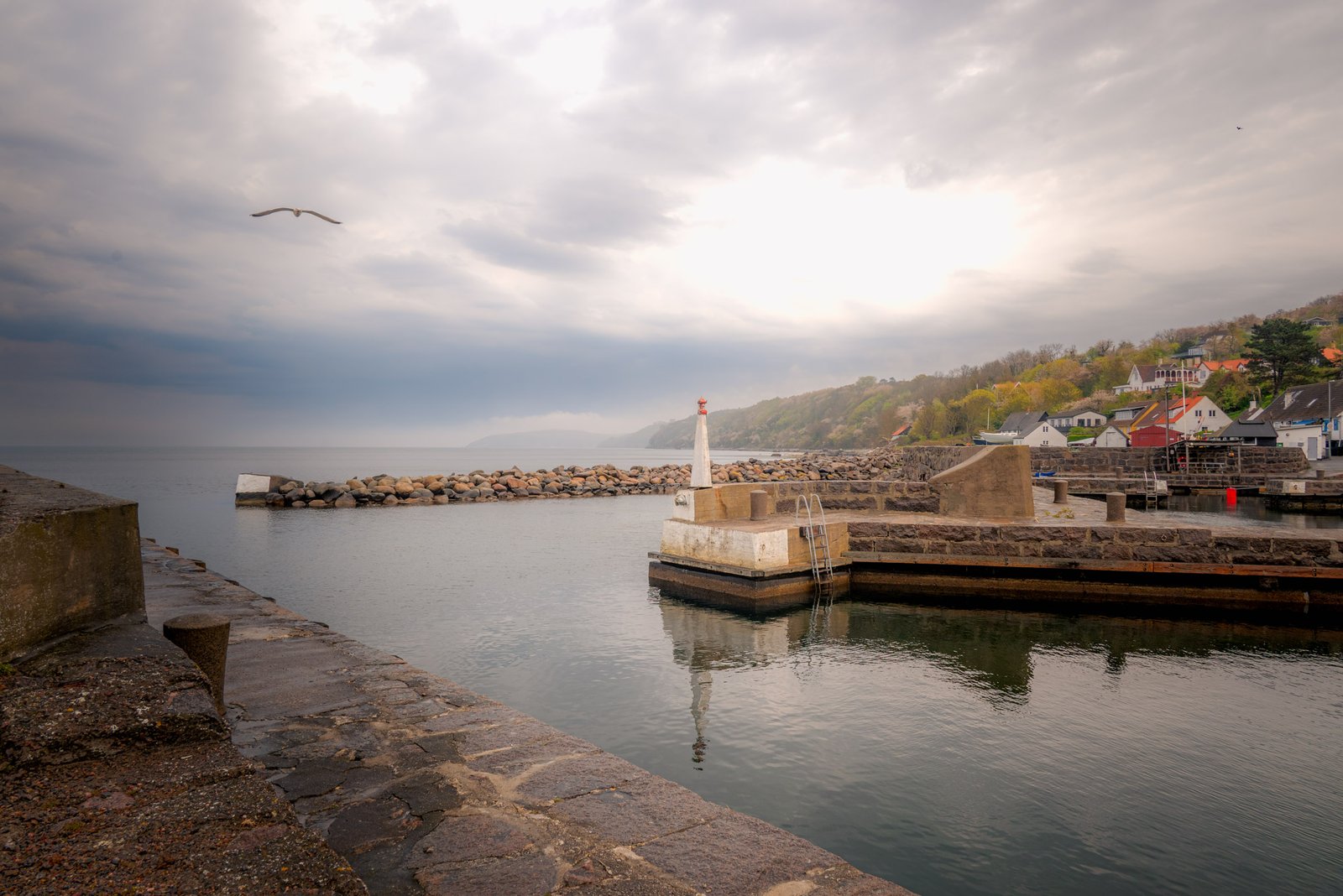
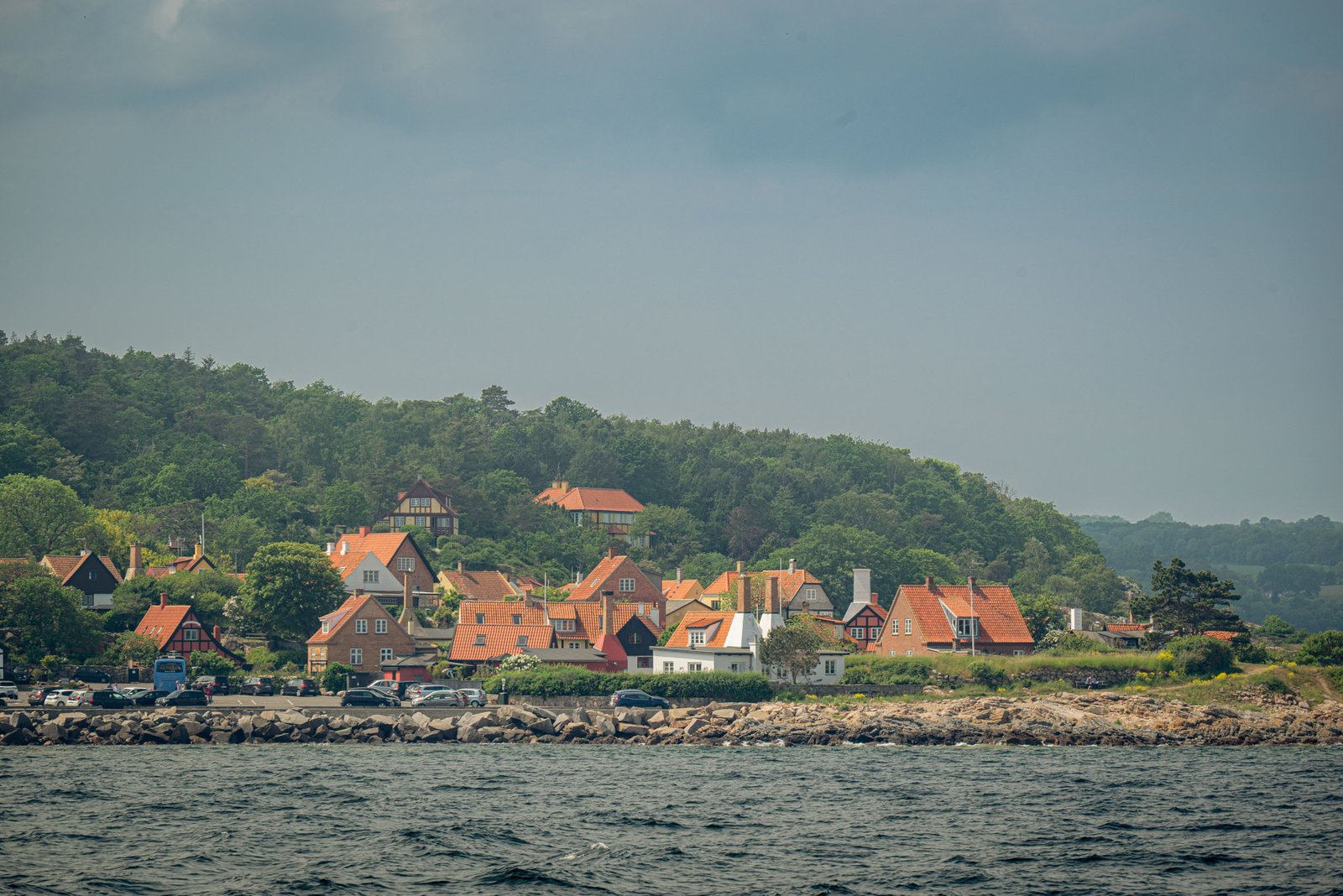
Bornholm is known as Denmark’s sunniest spot, boasting the most sunshine hours in the country. The island exudes an artistic, artisanal atmosphere, with studios of glassblowers, ceramicists, and painters dotted throughout. The distinctive whitewashed round churches (rundkirke) dating from the 12th century are unique to the island, and the imposing Hammershus castle ruins are the largest in Northern Europe. Picturesque fishing villages like Gudhjem, Svaneke, and Allinge invite you to wander past colorful houses and traditional smokehouses.

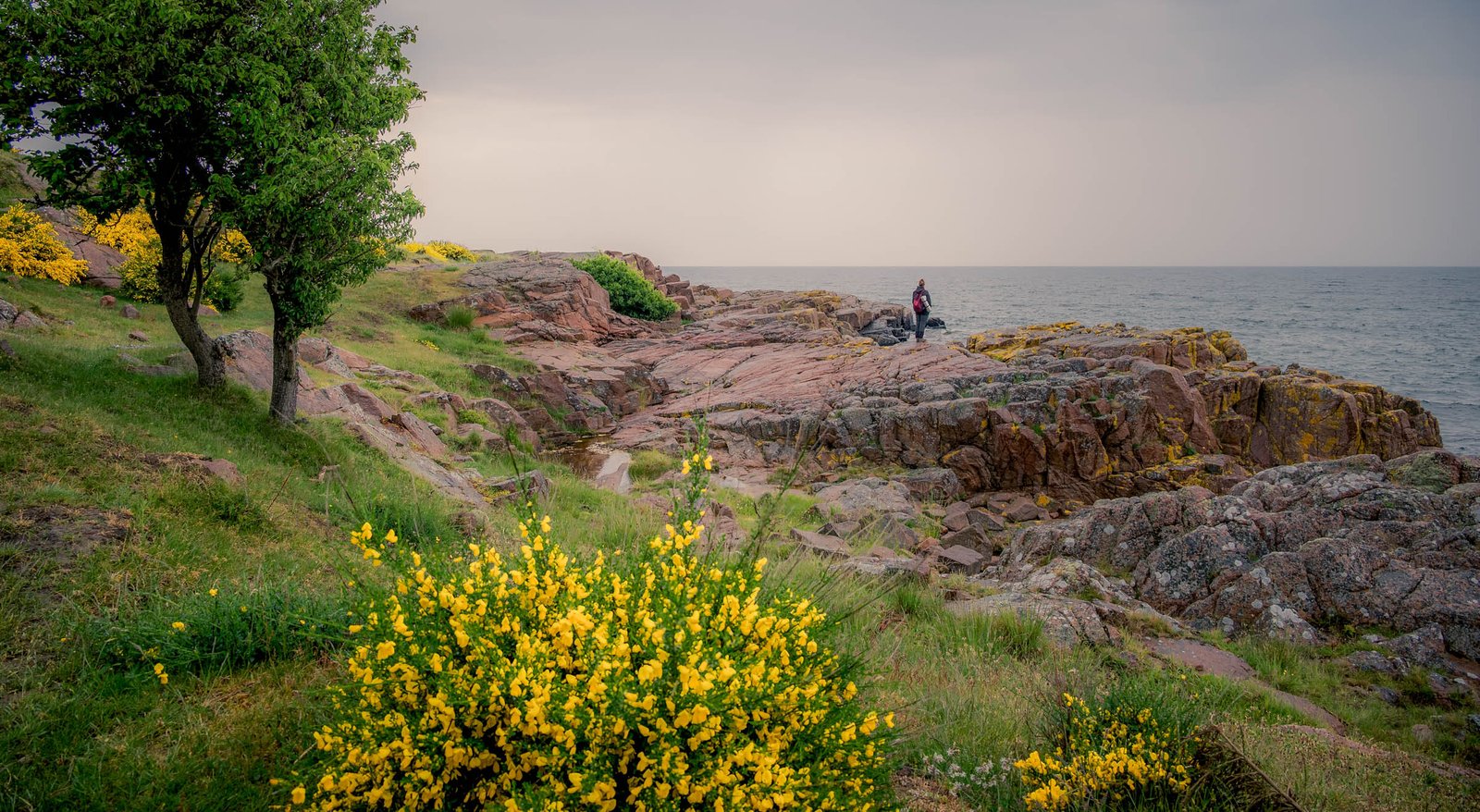
For active travelers, Bornholm is a paradise. The 119-kilometer Kyststien coastal path takes you around the entire island in about a week, passing cliffs, beaches, and forests. Cyclists can enjoy over 235 kilometers of bike paths, including national cycle route 10, which follows old railway embankments. Photographers will find exceptional light here, with dramatic coastal scenes and atmospheric fishing harbors as subjects. It’s no wonder Bornholm has been voted Denmark’s best holiday destination for three consecutive years.


travel stories

My Bornholm Stories

Read more about the destinations on the beautiful island of Bornholm.

Helligdomsklipperne Bornholm: Walks, Boat Trip and Practical Info

Helligdomsklipperne – The Sacred Cliffs of Bornholm Regular readers will know by now that Bornholm [...]

Visiting Hammershus: Guide to Northern Europe’s Largest Castle Ruins

Hammershus – Ruins, Wind and Light at the Edge of Bornholm I’ve written about it [...]

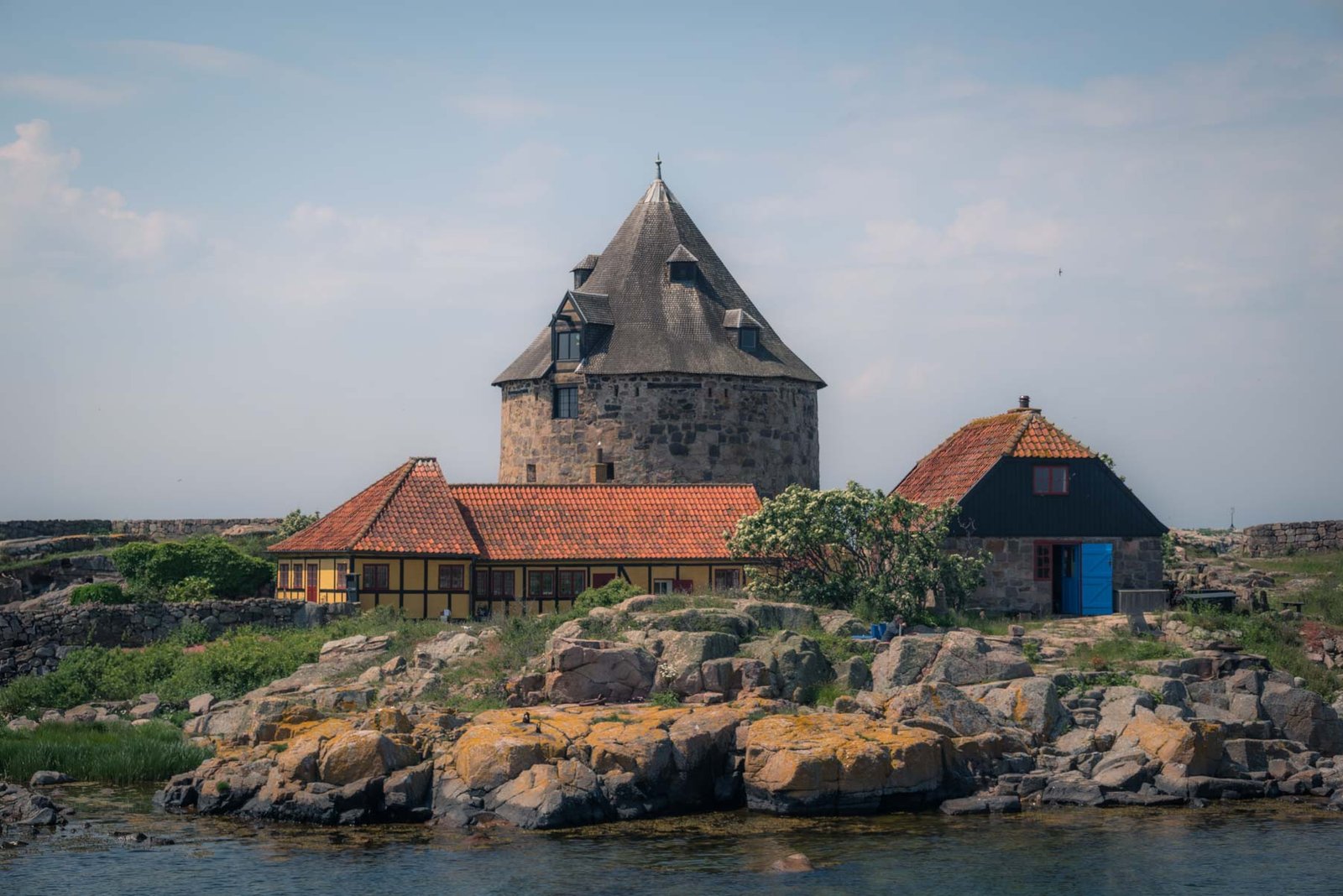
Visiting Christiansø: Practical Guide for Your Day Trip from Bornholm

Christiansø – An Island Full of Silence, Light and History in the Baltic Sea If [...]

Visiting Dueodde Beach: Complete Guide to Bornholm’s Finest Beaches

Dueodde Beach – Beautiful White Beaches on Bornholm’s South Coast We’ve been visiting Bornholm for [...]

Bornholm Photo Book

In my photo books, I collect the most beautiful stories and photographs of a destination. In my Bornholm book, I have gathered 90 pages of the island’s most stunning images and locations into a beautifully crafted volume.

  • Printed on high-quality glossy paper.
  • It makes a wonderful reference work or gift for anyone who loves nature or photography.
  • The locations include QR codes that give direct access to background information.

Destinations on Bornholm

Frequently Asked Questions about Bornholm

What is the best time to visit Bornholm?
The best time to visit Bornholm is from May through September. During these months, you’ll enjoy pleasant weather with temperatures between 14 and 20°C, the most sunshine hours, and all facilities are open. For hikers and photographers, May-June (blooming rapeseed fields, long days) and September (autumn colors, fewer crowds) are ideal. Peak season is July-August, when it’s busiest but also warmest.
How do I get to Bornholm?
The most popular route is by ferry with Bornholmslinjen. From most of Europe, you can drive via the Øresund Bridge to Ystad in Sweden, where the fast catamaran takes just 80 minutes to reach Rønne. You can also take the overnight ferry from Køge (near Copenhagen) – the crossing takes 5.5 hours. Additionally, ferries run from Sassnitz in Germany (3.5 hours). Flying is also an option: Danish Air Transport operates daily flights from Copenhagen (35 minutes) to Bornholm Airport near Rønne.
Do I need a visa to visit Bornholm?
EU citizens do not need a visa. Denmark is a member of the EU and the Schengen Area, so a valid ID card or passport is sufficient. If traveling via Sweden (Øresund Bridge and Ystad), there may be border checks, so always carry valid identification. Non-EU visitors should check visa requirements for Denmark/Schengen before traveling.
Can I pay with euros on Bornholm?
No, the currency on Bornholm is the Danish Krone (DKK). However, paying by debit or credit card is possible virtually everywhere and is even encouraged – many shops and restaurants no longer accept cash. ATMs are available in larger towns such as Rønne, Nexø, and Svaneke.
Do I need a power adapter for Bornholm?
Denmark uses power plug type K, which has an additional grounding pin compared to the standard European plug (type C/F). Most European plugs will fit Danish sockets, but for guaranteed compatibility, bring a universal travel adapter. UK and US travelers will definitely need an adapter. Most holiday homes and hotels have sockets compatible with standard European plugs.
Is Bornholm expensive?
Bornholm is comparable to the rest of Denmark – and thus somewhat pricier than many European destinations. Expect higher prices at restaurants and for dining out. Groceries at supermarkets are reasonably priced. Holiday homes offer good value, especially when traveling with others and cooking your own meals. Tip: try the local smoked fish at the traditional smokehouses – authentic and affordable!
Do people speak English on Bornholm?
Yes, most Danes speak excellent English. In tourist areas, hotels, restaurants, and shops, you can easily communicate in English. Many information signs and menus are also available in English (and often German). Some older island residents still speak the local Bornholm dialect, which has Swedish influences.

Climate & Best Time to Visit

Bornholm has a temperate maritime climate that is slightly milder than the rest of Denmark, thanks to its sheltered position in the Baltic Sea. The island is famous for its abundant sunshine – the most in all of Denmark. Summer temperatures hover around 20°C, while winters are mild but can be brisk. Compare it to the climate of southern England or northern Germany, but with slightly cooler summers and less rainfall.

Month Temp (°C) Rainy Days Sun Hours Suitable For
January -2 to 2 18 1 Coastal photography, tranquility
February -3 to 2 13 2 Coastal photography
March -1 to 4 15 3 Early spring walks
April 2 to 8 13 6 Hiking, cycling, birdwatching
May 6 to 14 13 8 Hiking, cycling, photography, wildflowers
June 11 to 18 11 9 Hiking, cycling, photography, beach
July 13 to 20 13 8 Hiking, beach, all activities
August 13 to 20 13 7 Hiking, beach, all activities
September 10 to 16 15 5 Hiking, photography, autumn colors
October 7 to 12 16 3 Hiking, mushroom foraging, tranquility
November 3 to 7 18 2 Atmospheric coastal photography
December 0 to 4 17 1 Winter retreat, hygge

Tip for photographers: Spring (May-June) offers beautiful soft light and blooming rapeseed fields that paint the landscape golden yellow. In September, the lower sun angle and autumn colors create dramatic light along the rocky coasts. The long summer evenings (around midsummer it stays light until 10 PM) are ideal for golden hour photography at the fishing harbors.

Useful Links

A collection of helpful websites for planning your trip to Bornholm.

Official Tourism

Hiking

Cycling

Transport

Weather

  • Yr.no – reliable Norwegian weather service
  • DMI – Danish Meteorological Institute forecasts

Accommodation