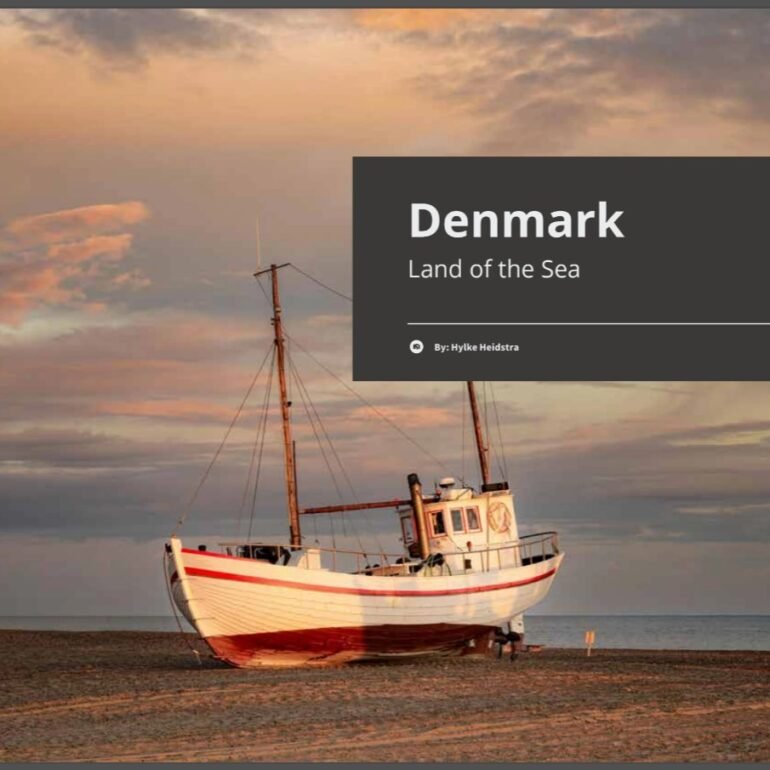
DENMARK
From the wide beaches of Jutland to the rugged rocky shores of Bornholm: Denmark offers a surprising mix of nature, culture, and peaceful landscapes. Ideal for hikers, photographers, and anyone who loves the outdoors.



From the wide beaches of Jutland to the rugged rocky shores of Bornholm: Denmark offers a surprising mix of nature, culture, and peaceful landscapes. Ideal for hikers, photographers, and anyone who loves the outdoors.
Denmark is the southernmost of the Scandinavian countries, a compact nation consisting of the Jutland Peninsula and over 400 islands – of which around 70 are inhabited. The country borders Germany to the south and is connected to Sweden via the impressive Øresund Bridge. With a coastline stretching over 7,300 kilometers, the sea is never far away in Denmark.
Though Denmark may not have towering mountains, its landscapes offer surprising diversity. In Jutland, you’ll find windswept dune landscapes along the North Sea coast, rugged cliffs on the west coast, and the rolling hills of Mols Bjerge National Park. The Wadden Sea, a UNESCO World Heritage Site, forms one of the world’s largest tidal flats. On the islands, open farmland alternates with beech forests, chalk cliffs at Møns Klint, and idyllic fishing villages. Thy National Park in the northwest offers Denmark’s last true wilderness, while the island of Bornholm in the Baltic Sea boasts rocky coastlines unique in Scandinavia.
Denmark is a true cycling nation – with over 12,000 kilometers of cycling routes and flat terrain, it’s perfect for exploring on two wheels. For hikers, there are numerous well-marked trails, including the 175-kilometer Hærvejen (Army Road), one of Europe’s oldest roads. The 110-kilometer Camønoen on the island of Møn and the coastal path in Thy National Park are among the most scenic hiking routes. Nature photographers will find rich subjects in the bird-rich marshlands, atmospheric fishing harbors, and characteristic Danish light.
Beyond nature, Denmark captivates with its hygge culture – the typically Danish art of coziness and togetherness. Historic cities like Copenhagen, Aarhus, and Odense offer a mix of Viking history, modern architecture, and world-class gastronomy. The countryside is dotted with castles, manor houses, and charming villages with half-timbered houses. Denmark proves that great natural experiences don’t require high altitudes – the beauty lies in the subtlety, the light, and the endless horizons.
travel stories
Read more about the destinations in this beautiful country.
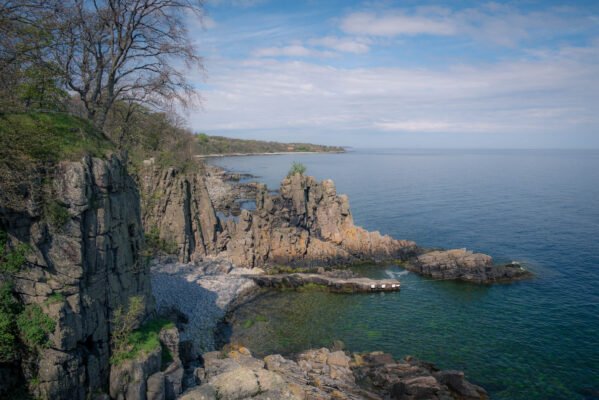
Helligdomsklipperne – The Sacred Cliffs of Bornholm Regular readers will know by now that Bornholm [...]

Hammershus – Ruins, Wind and Light at the Edge of Bornholm I’ve written about it [...]

Christiansø – An Island Full of Silence, Light and History in the Baltic Sea If [...]

Dueodde Beach – Beautiful White Beaches on Bornholm’s South Coast We’ve been visiting Bornholm for [...]
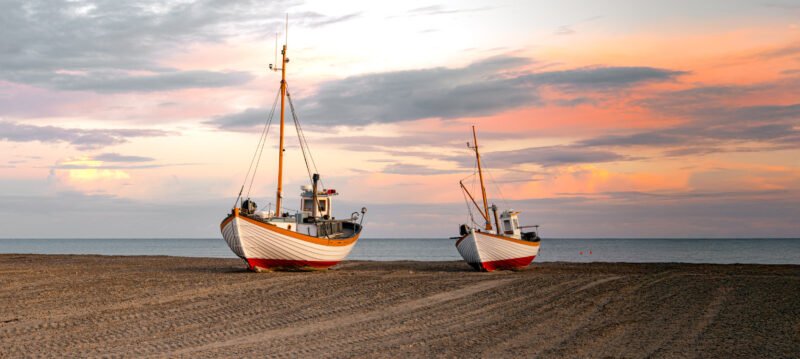
Fishing Boats on the Beach: An Iconic Coastal Scene of Denmark In September we were [...]
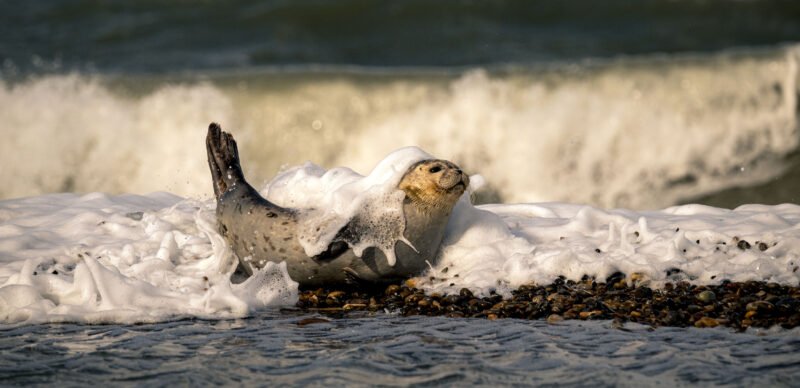
Bulbjerg Knude: Hiking Along Denmark’s Only Bird Cliff In September we spent a week in [...]
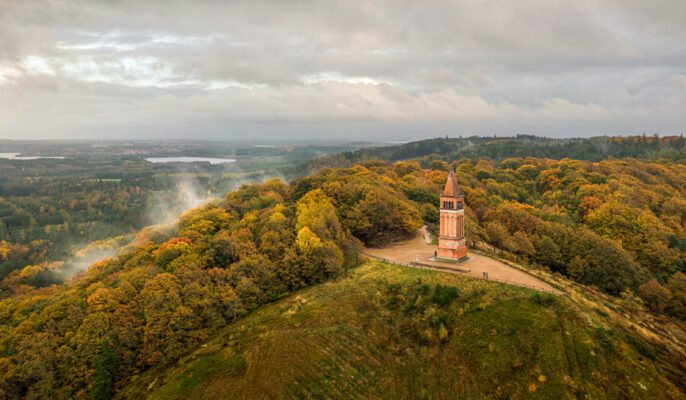
Himmelbjerget – The Autumn Colours Around Silkeborg’s Lakes In the heart of Jutland, not far [...]
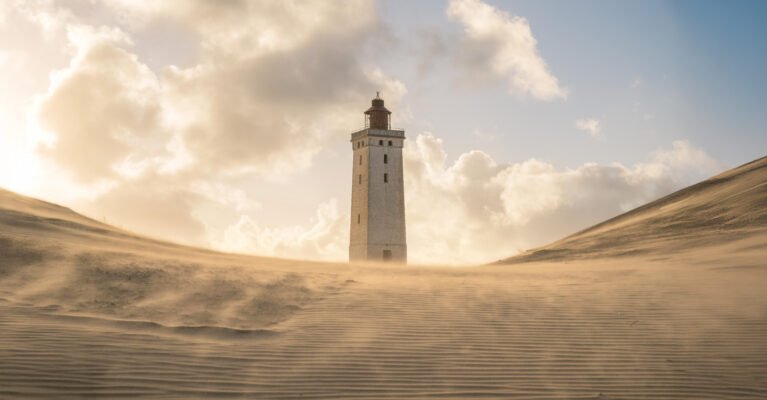
Rubjerg Knude Lighthouse – Photography in Wind and Sand On the rugged west coast of [...]
In my photo books, I collect the most beautiful stories and photographs of a destination. In my book about Denmark, I have gathered 116 pages of the most stunning photos and locations into a beautifully crafted work.
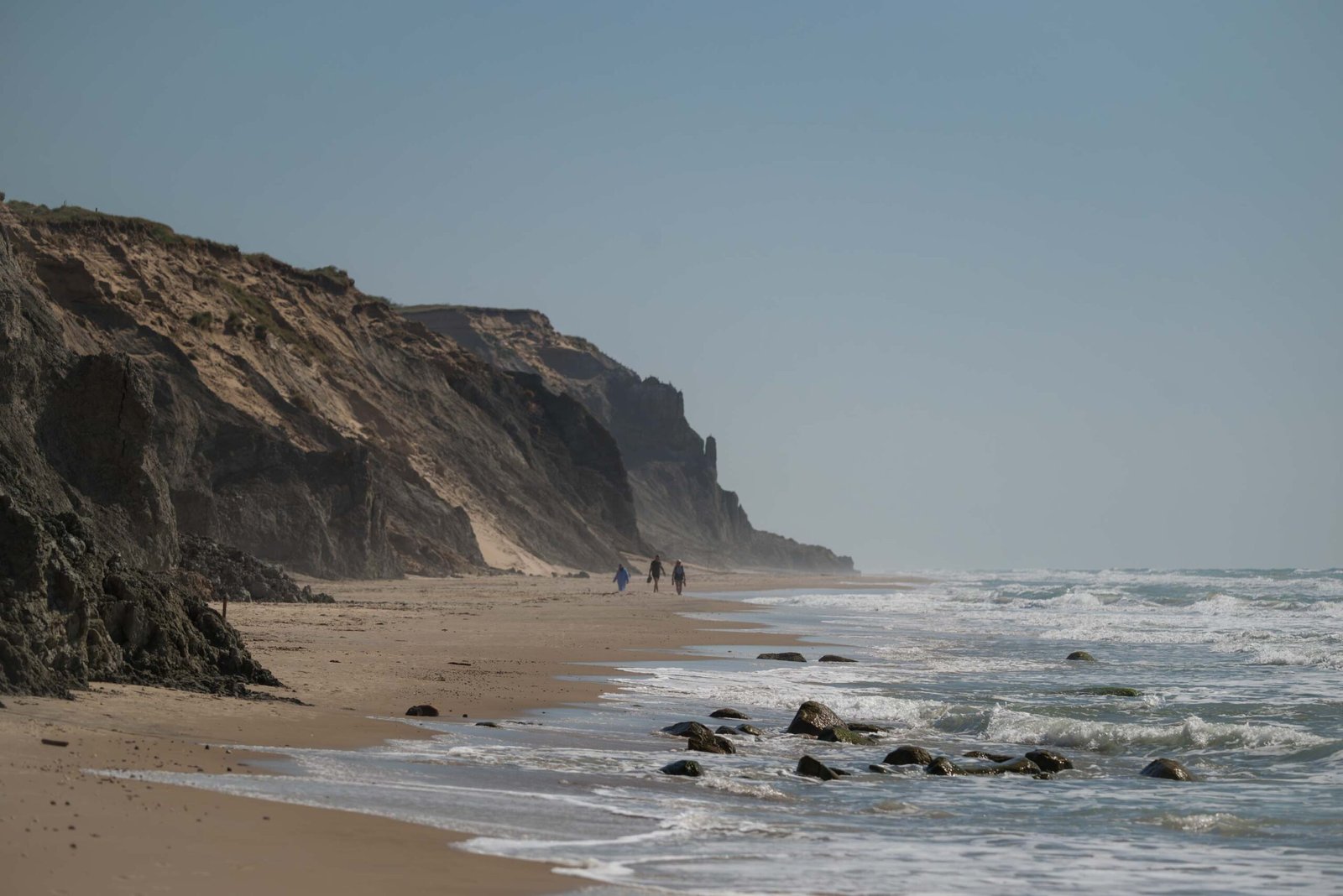
Lønstrup is a small coastal village on Denmark’s wild North Sea coast, known for its dramatic cliffs, fishing heritage, and vibrant community of artists and craftspeople. The landscape here is...
View location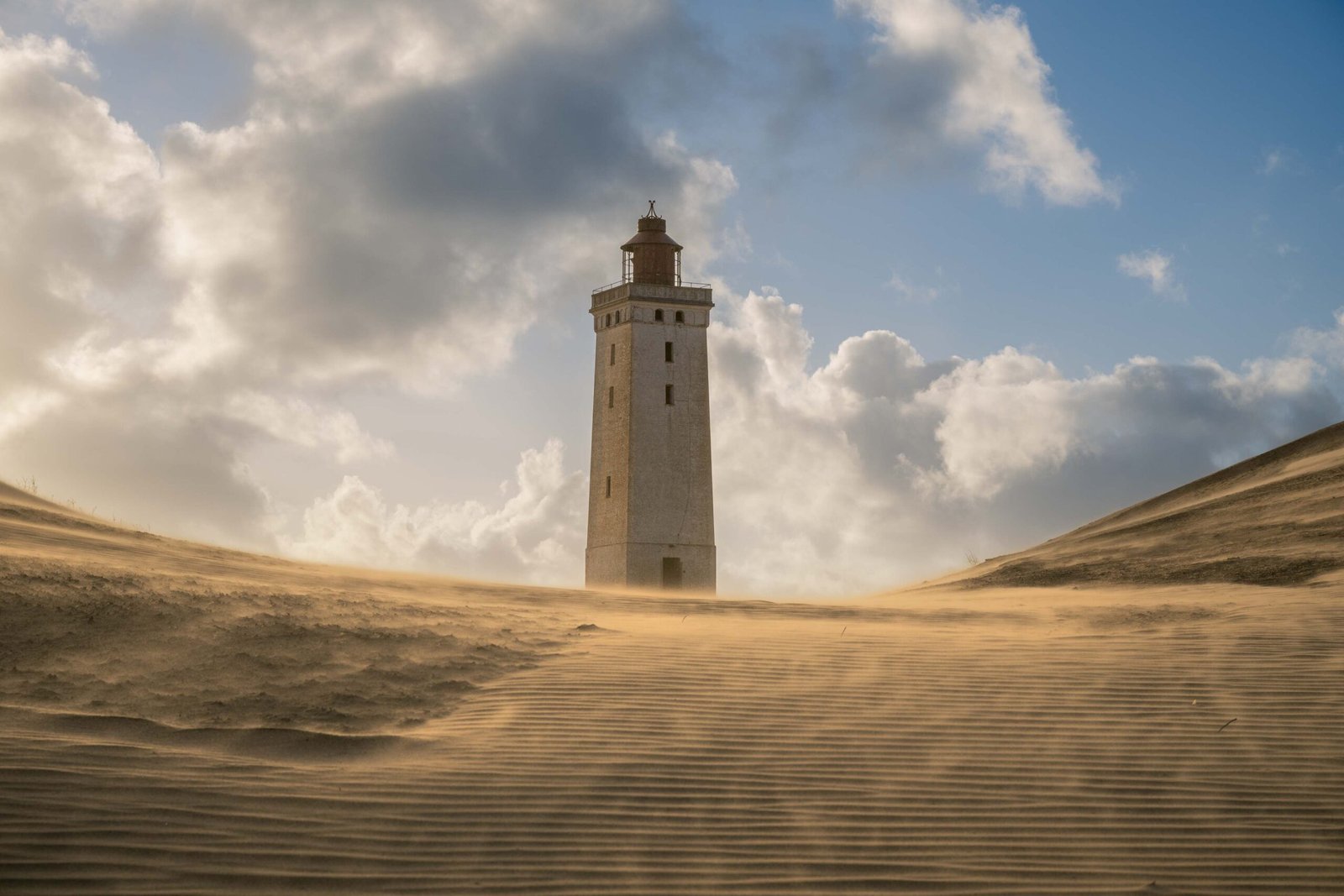
Rubjerg Knude Fyr is one of Denmark’s most striking and symbolic landmarks — a lighthouse perched high on the shifting sands of the North Sea coast. Built in 1900, it...
View location
Løkken is one of Denmark’s most iconic seaside towns — a place where the vast North Sea, broad sandy beaches, and the spirit of summer life come together in a...
View location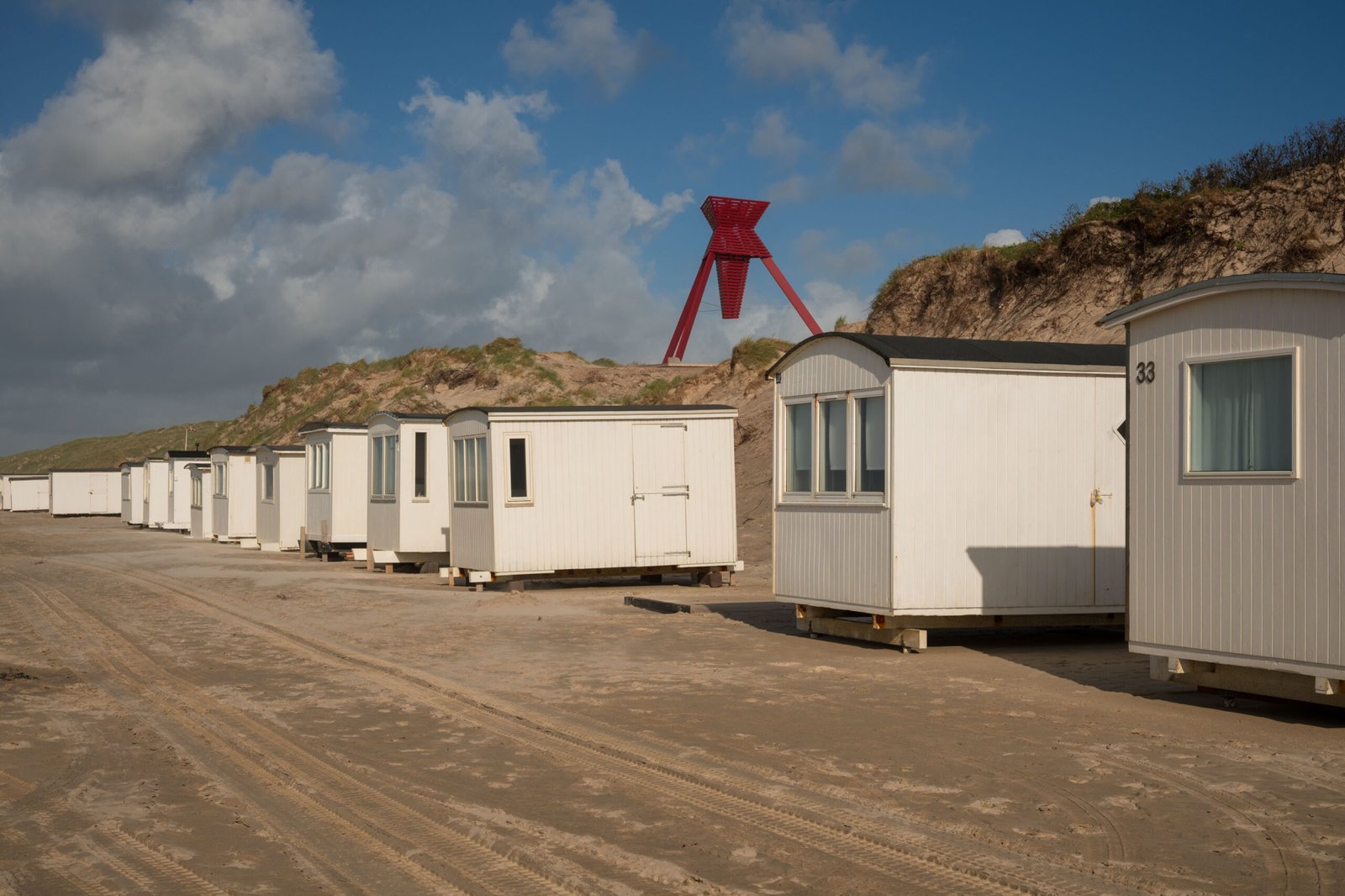
Blokhus Strand is one of Denmark’s most beloved and characteristic North Sea beaches — a vast, windswept landscape where the dunes meet an endless horizon of shifting light and sound....
View location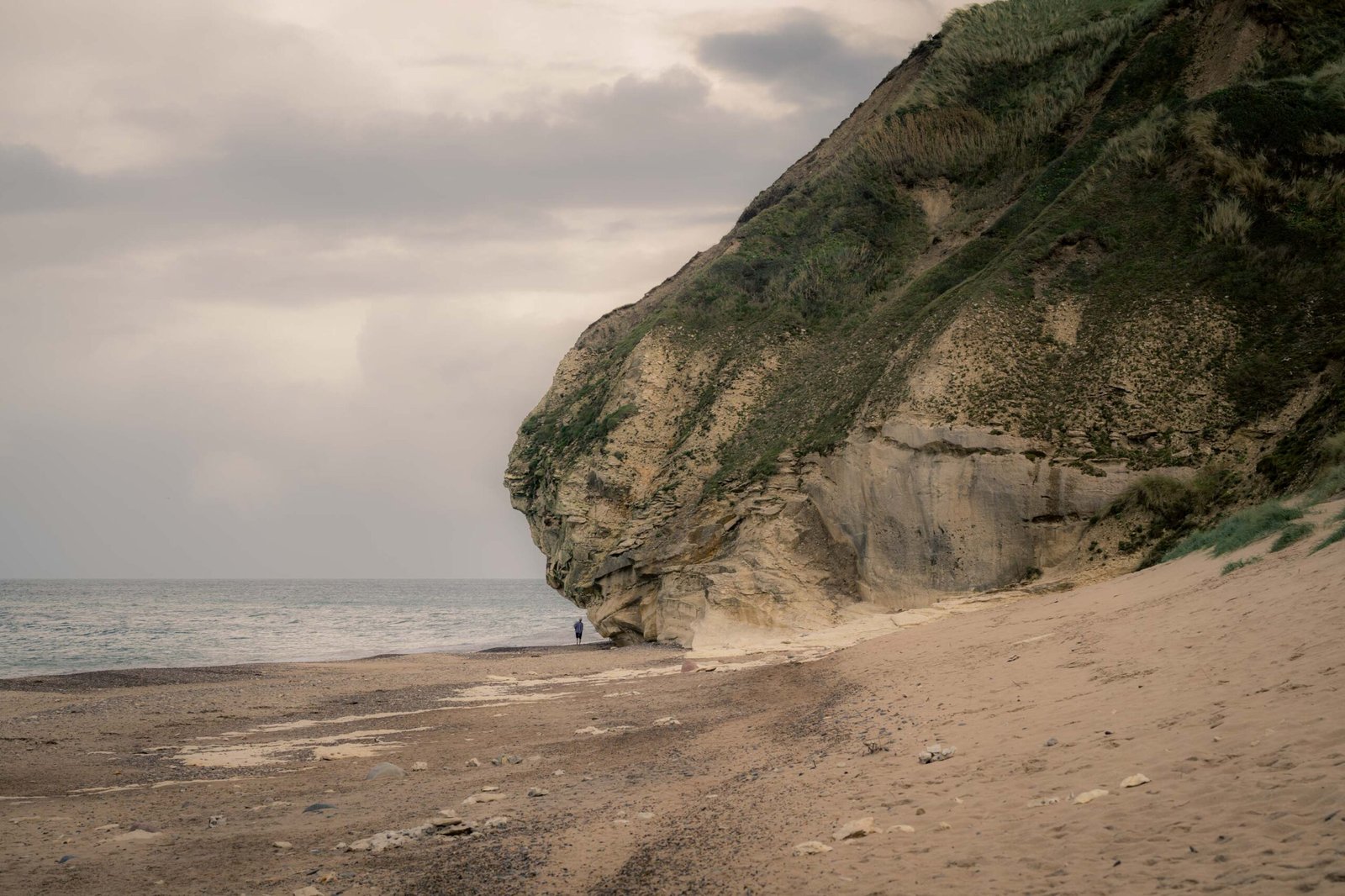
Rising 47 meters above the roaring North Sea, Bulbjerg — often called “The Shoulder of Jutland” — is one of Denmark’s few true sea cliffs and one of the most...
View location
Slettestrand is a small coastal settlement on Denmark’s Jammerbugten bay, known for its wide sandy beaches, rolling dunes, and a strong link to traditional fishing culture. Much like Thorup Strand,...
View location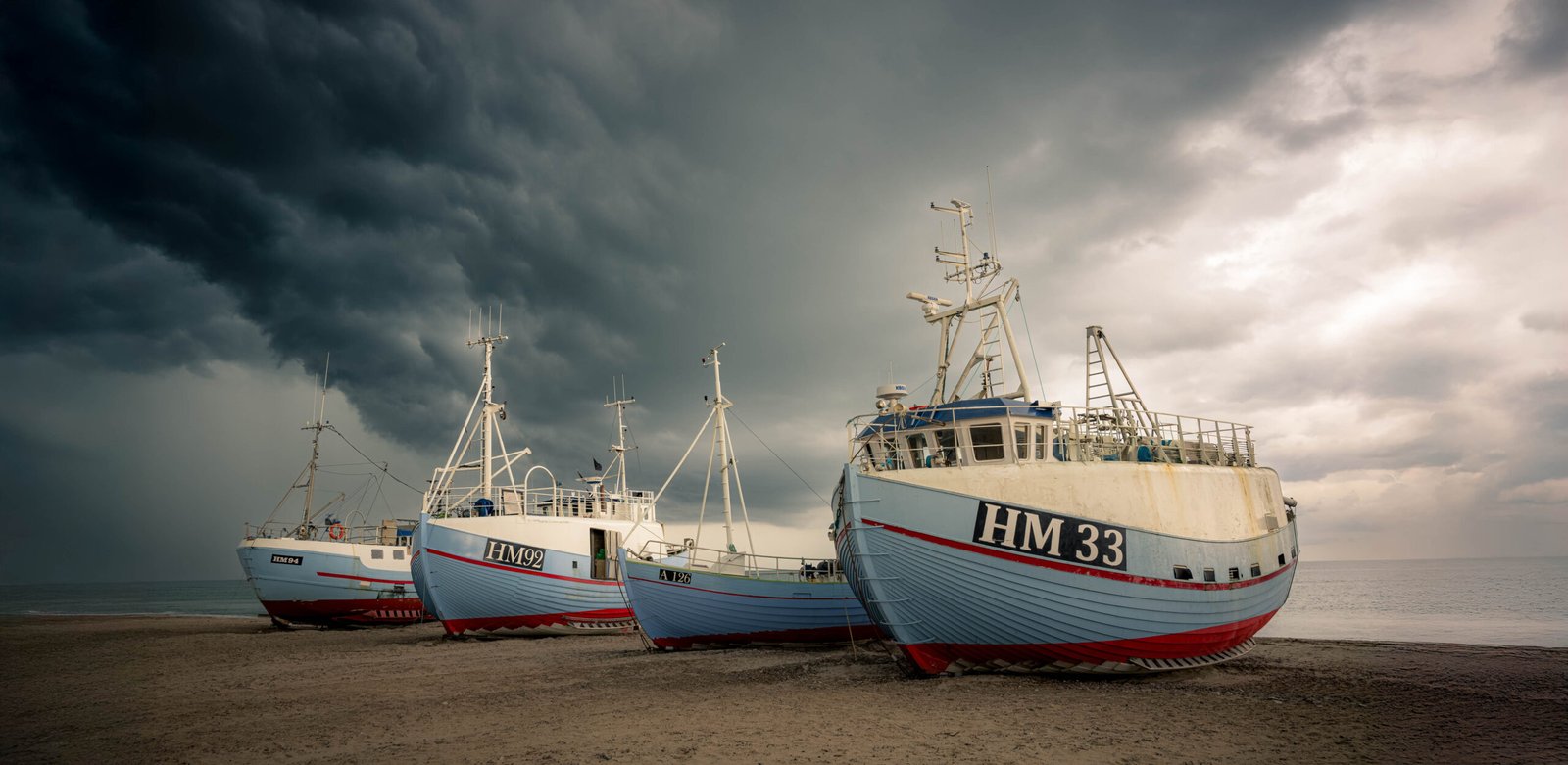
Thorup Strand is one of the last places in Europe where traditional fishing boats are still pulled directly onto the sandy beach after returning from the North Sea. This timeless...
View location
Perched high on a windswept plateau above the North Sea, Hanstholm Fyr stands as one of Denmark’s most impressive and historic lighthouses. Built in 1843, it was the country’s first...
View location
Stretching across the dunes and heathlands north of Hanstholm, Hanstholm Vildtreservat is one of Denmark’s wildest and most untouched landscapes — a vast coastal reserve where wind, sand, and silence...
View location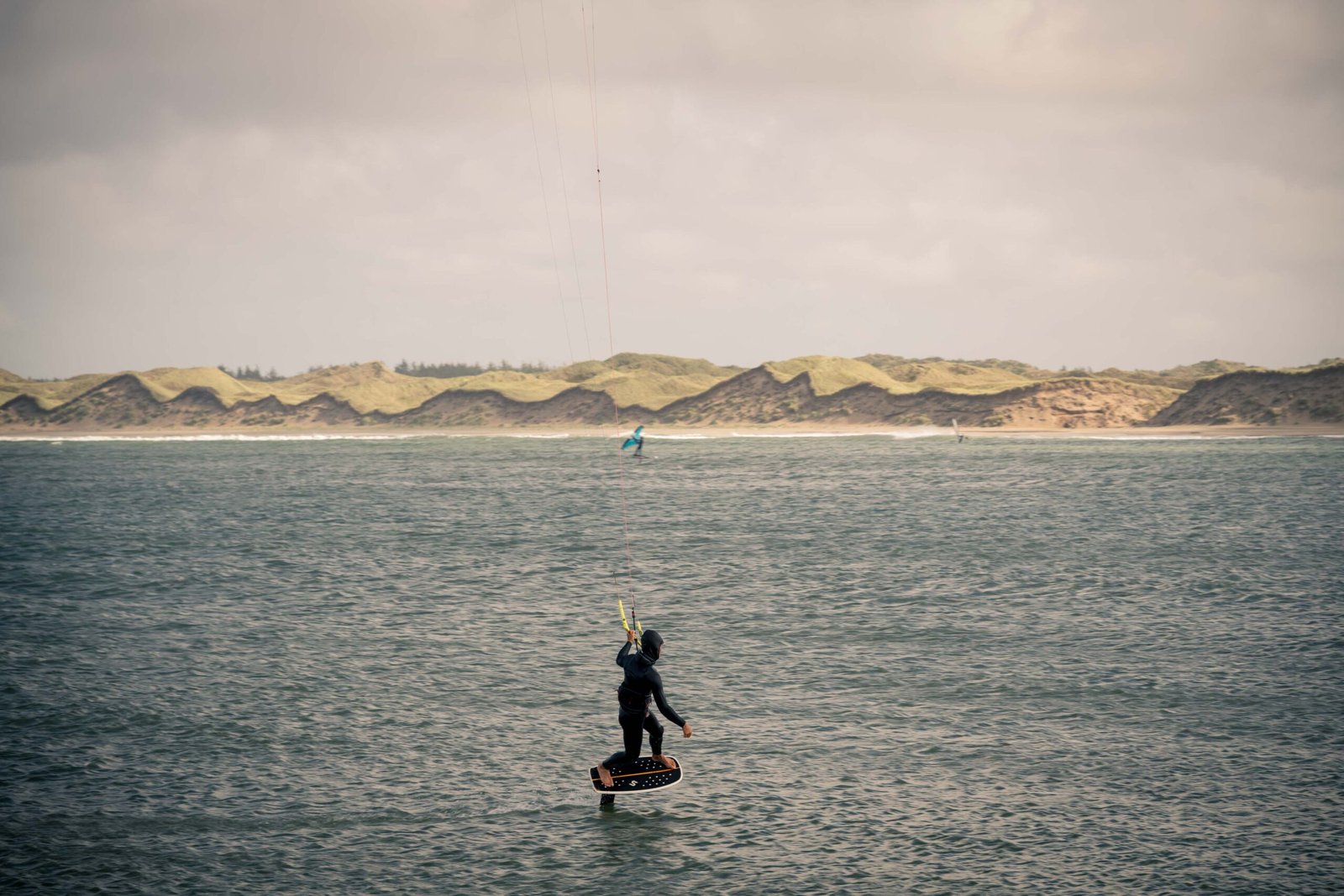
Klitmøller, often called Cold Hawaii, is a small fishing village turned surf mecca on Denmark’s rugged northwest coast. Facing the open North Sea, it is a place where wild waves,...
View location
Hals is a small harbor town at the mouth of the Limfjord, where the waters of the Kattegat meet the inland sea of northern Denmark. It’s a peaceful, light-filled place...
View location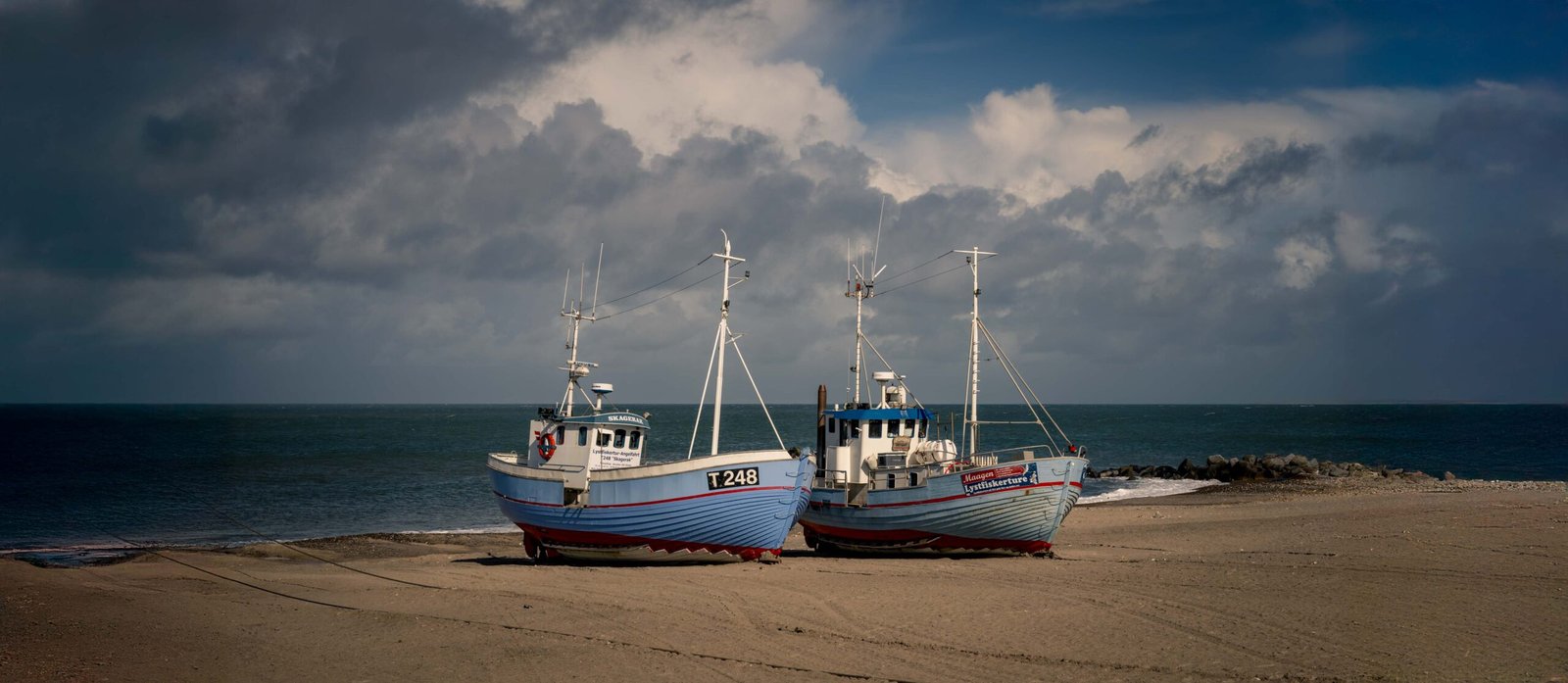
Vorupør lies in the heart of Thy’s wild west coast and is often seen as the quiet counterpart to nearby Klitmøller. Once a purely traditional fishing village, it has evolved...
View location
Beneath the rolling hills west of Viborg lies a hidden world — the Mønsted Kalkgruber, the largest limestone mine in the world. Stretching for more than 60 kilometers of tunnels...
View location
Fornæs Fyr stands quietly on the rocky easternmost tip of the Djursland peninsula, just north of Grenaa. Facing the open Kattegat, it marks one of Denmark’s most exposed stretches of...
View location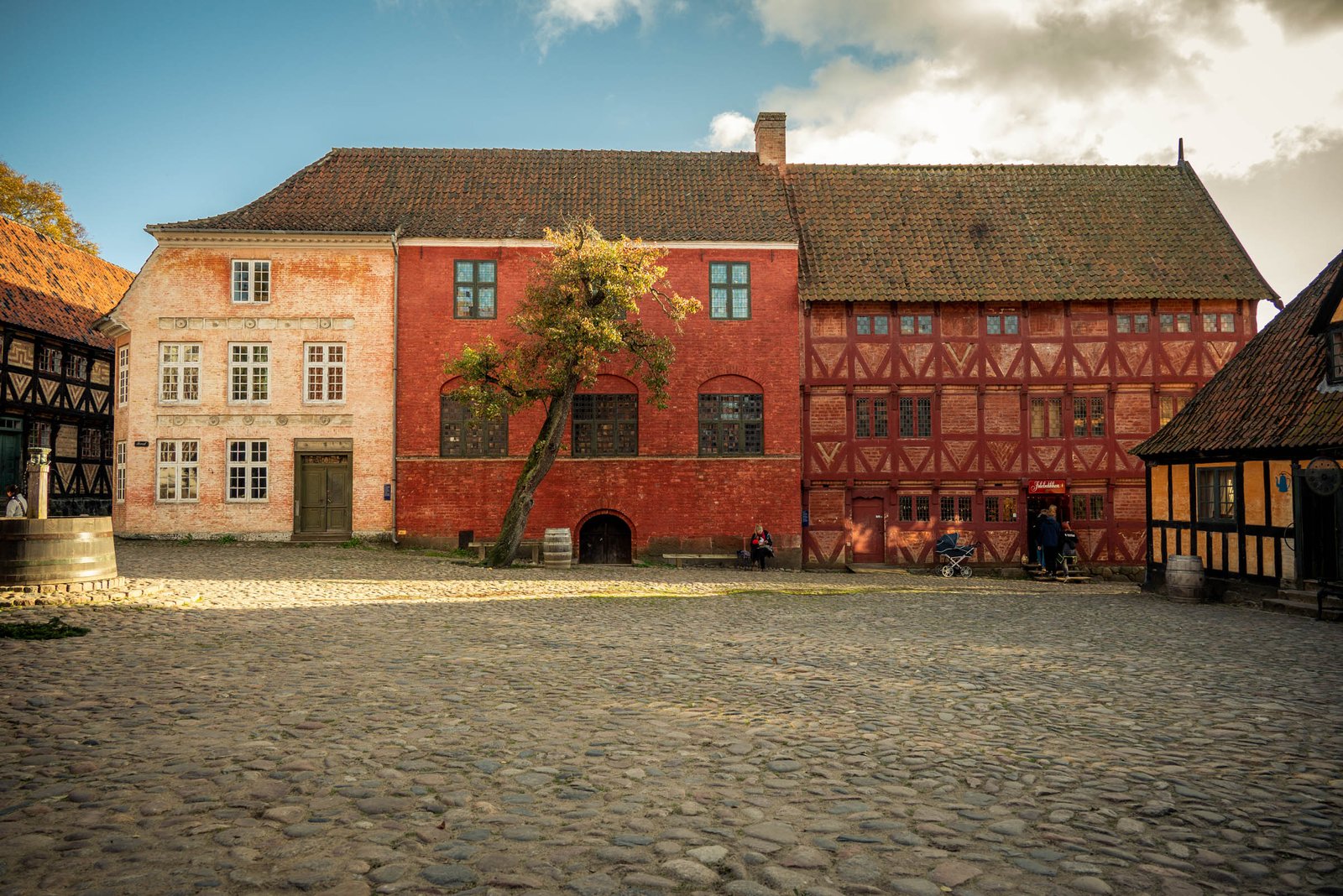
In the heart of Aarhus lies Den Gamle By — “The Old Town” — an open-air museum unlike any other in Denmark. Step through its gates, and you step back...
View location
Himmelbjerget, translating to "The Sky Mountain," is a prominent hill situated between the towns of Ry and Silkeborg in the Søhøjlandet region of Jutland, Denmark. Standing at 147 meters above...
View location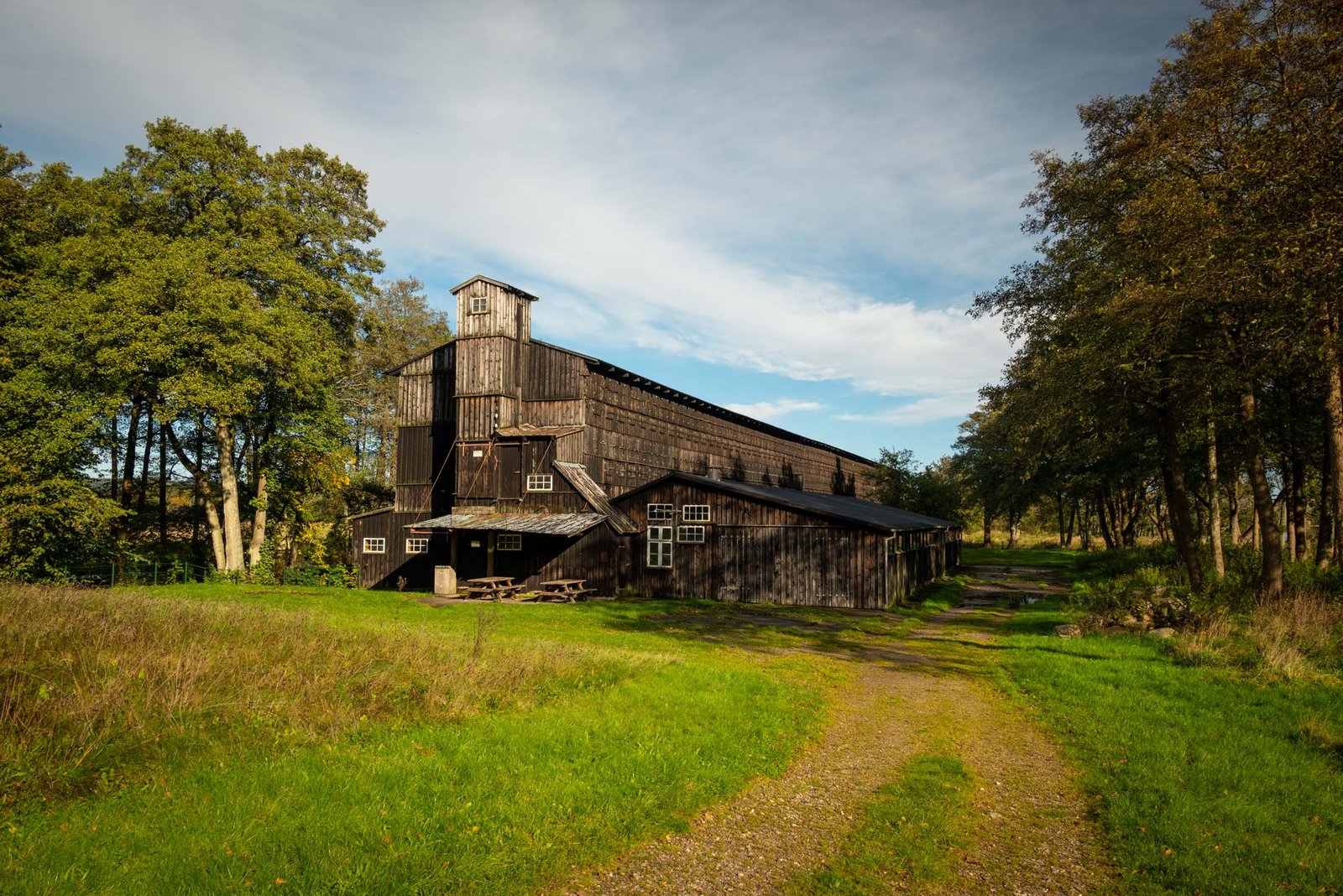
Hidden at the quiet western end of Lake Mossø, near Skanderborg, lies Klostermølle — a place where history, water, and nature flow seamlessly together. Once a Benedictine monastery and later...
View location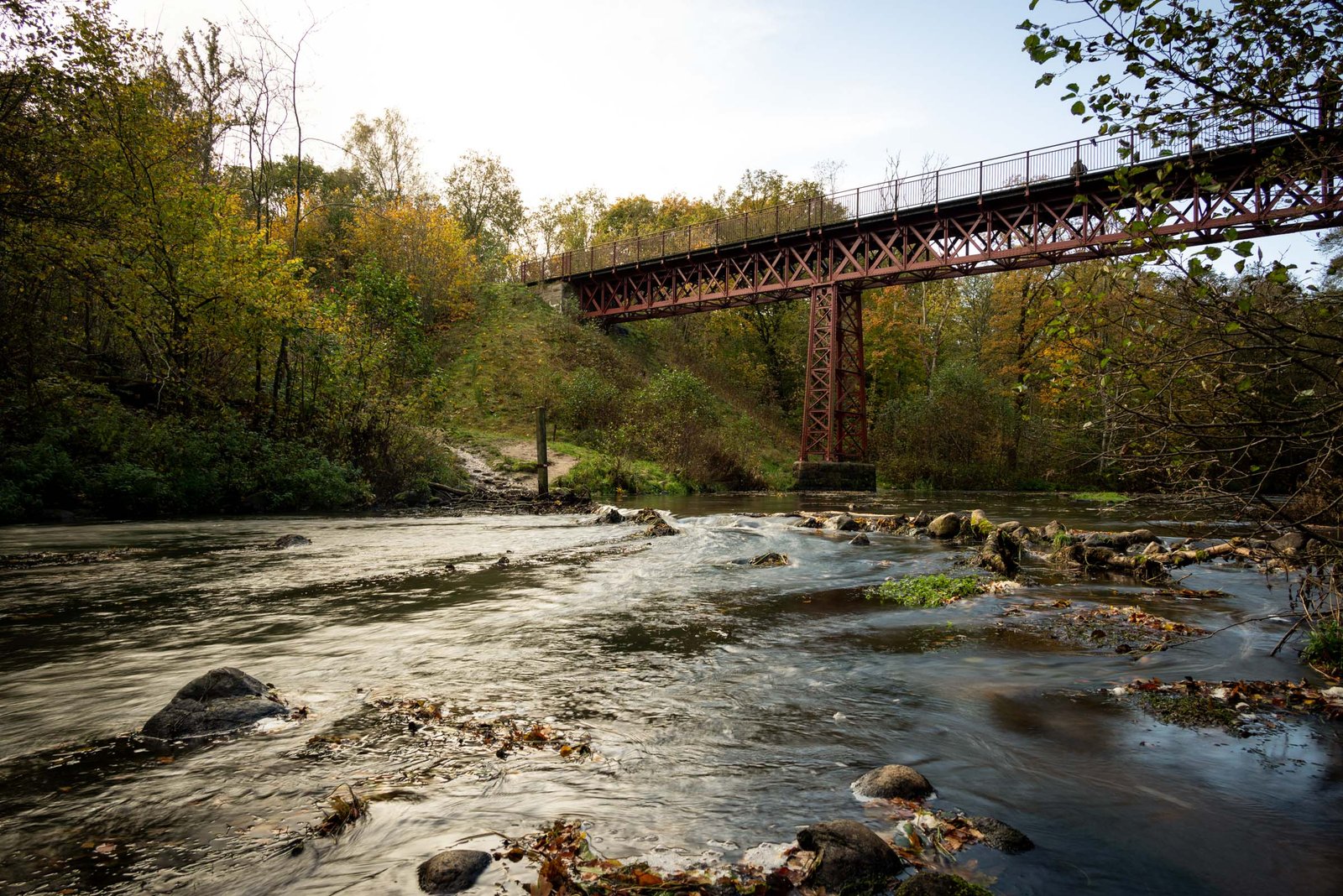
Hidden deep in the forest near the Gudenå River, Den Genfundne Bro — “The Rediscovered Bridge” — is one of Denmark’s most remarkable blends of history, engineering, and nature. Built...
View location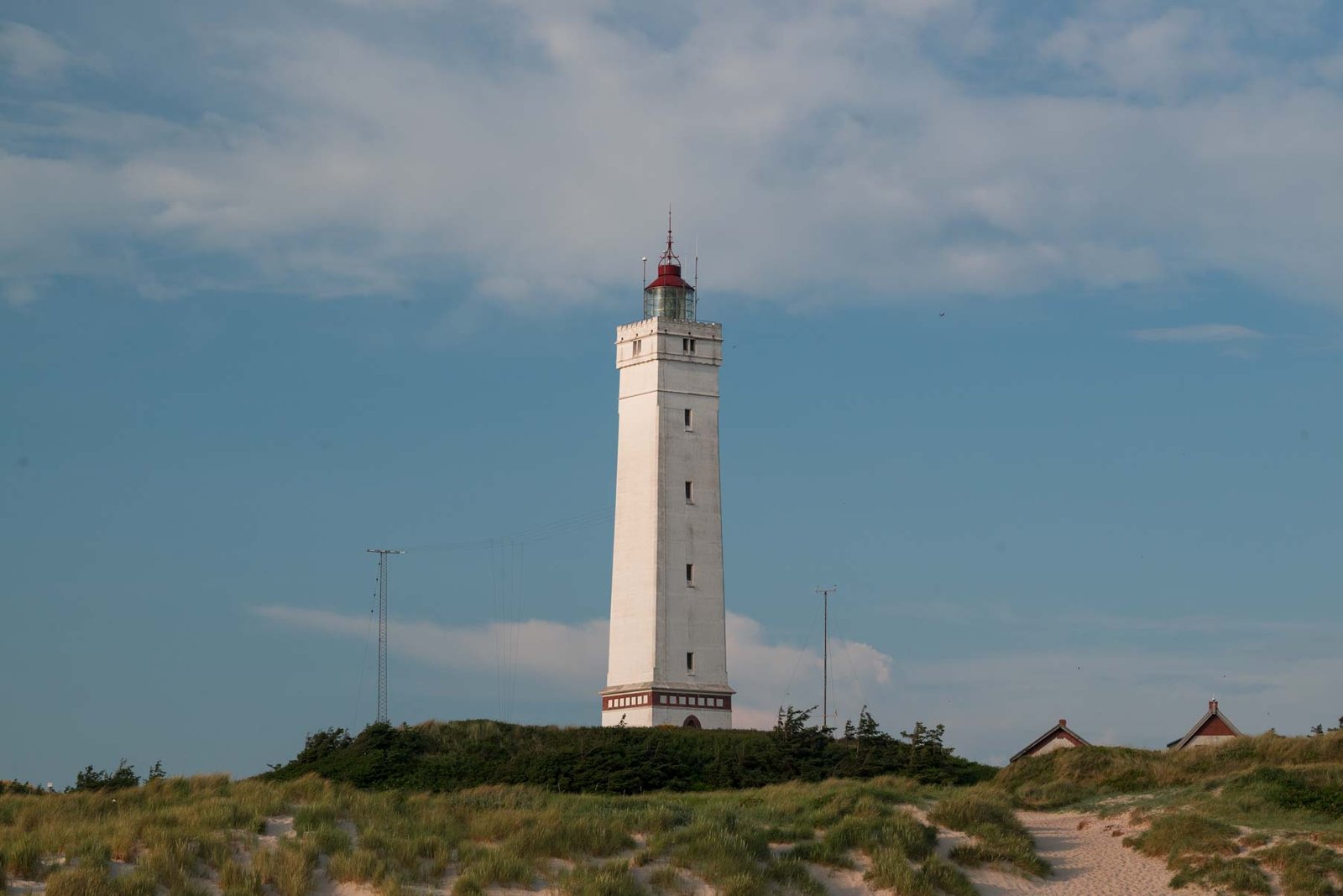
Blåvandshuk Fyr stands at the westernmost point of Denmark, facing directly into the vast expanse of the North Sea. Rising 39 meters above the dunes, this elegant white lighthouse has...
View location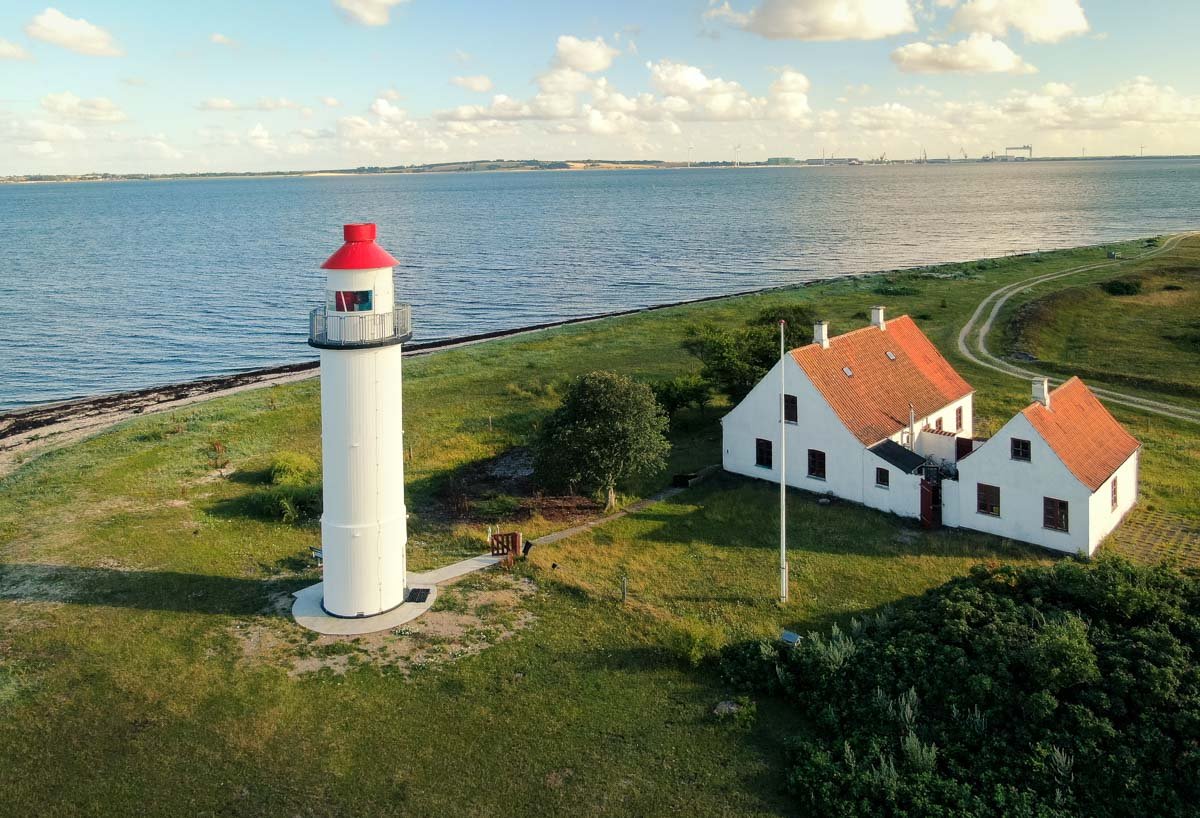
Enebærodde Fyr stands at the very tip of Enebærodde, a narrow, windswept peninsula that stretches between the Odense Fjord and the Kattegat Sea. It’s a place of striking simplicity —...
View location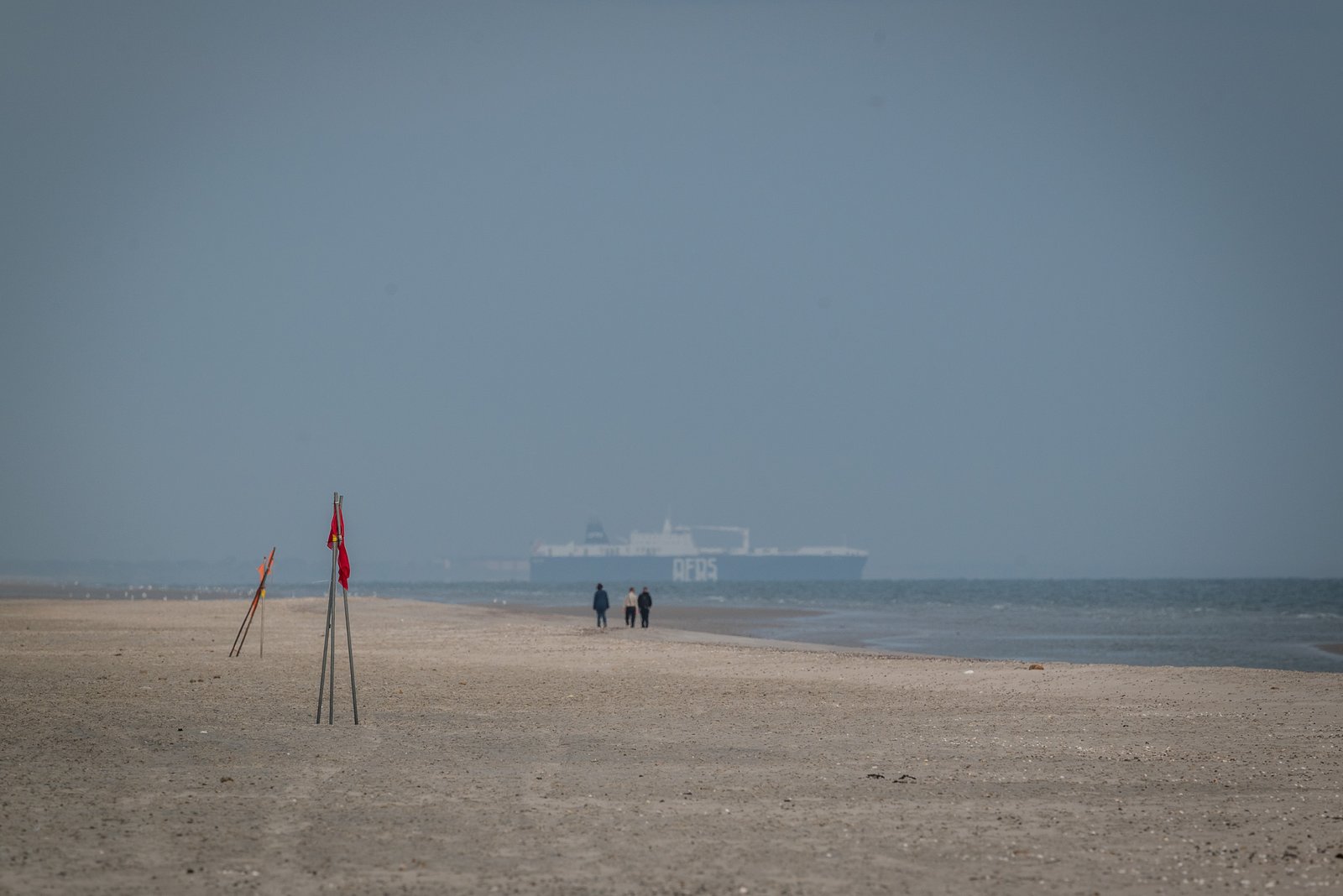
At the far southwestern edge of Denmark, where land slowly yields to the sea, lies Skallingen — a vast, windswept peninsula of sand, salt marsh, and sky. Together with Høje...
View location
Just off the coast of Esbjerg lies Fanø, a small island that captures the very essence of Denmark’s west coast — vast beaches, wind-shaped dunes, and a deep sense of...
View location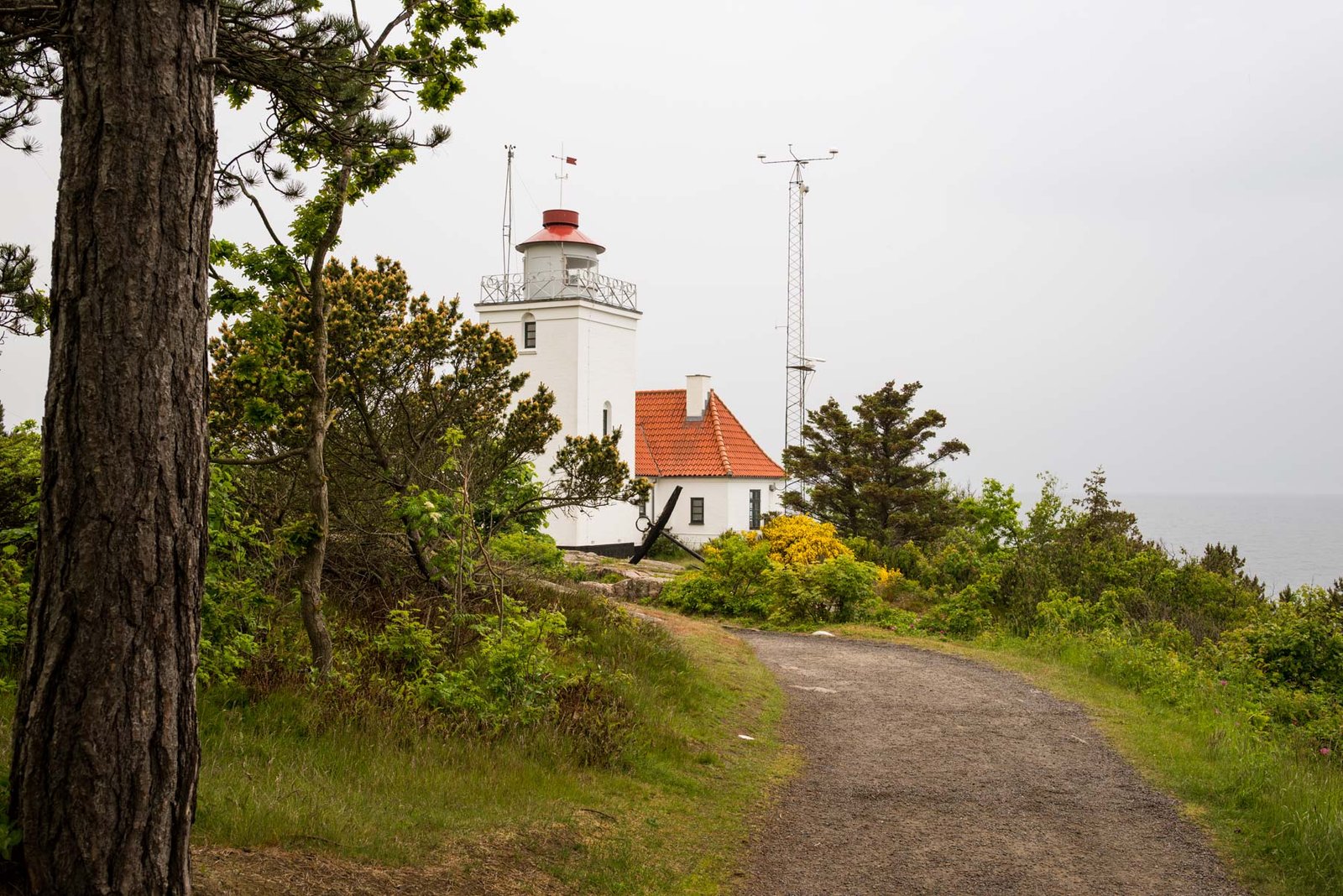
Hammerodde Fyr marks the northernmost point of Bornholm — a lonely, windswept headland where rugged granite cliffs meet the open Baltic Sea. The lighthouse, built in 1895, stands quietly above...
View location
Rømø is a windswept barrier island in the Danish Wadden Sea, famous for its enormous sandy beaches that stretch for kilometers and seem almost endless. Linked to the mainland by...
View location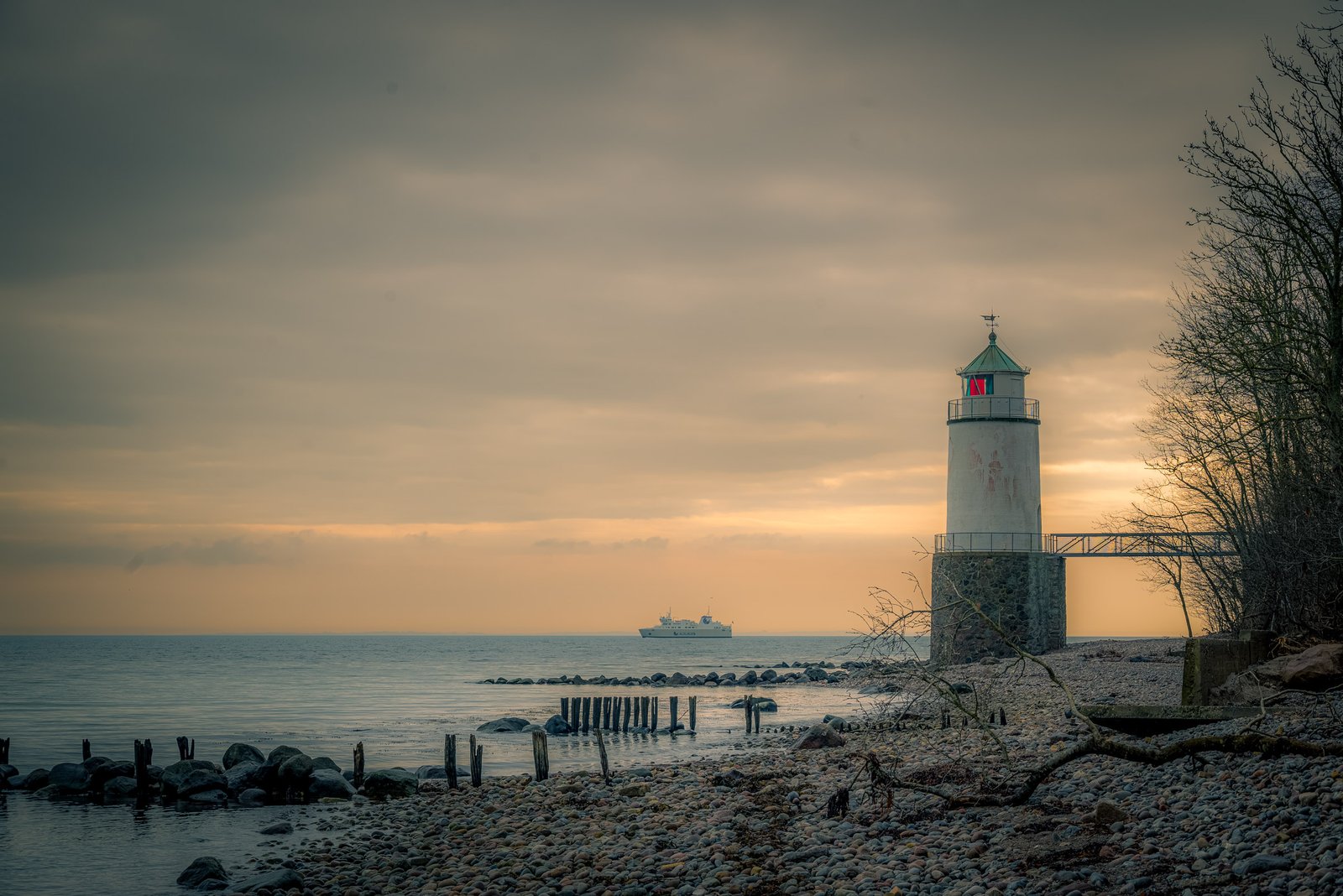
Hidden among beech forests and gentle coastal hills on the southern tip of the island of Als, Taksensand Fyr is one of Denmark’s most peaceful and secluded lighthouses. Built in...
View location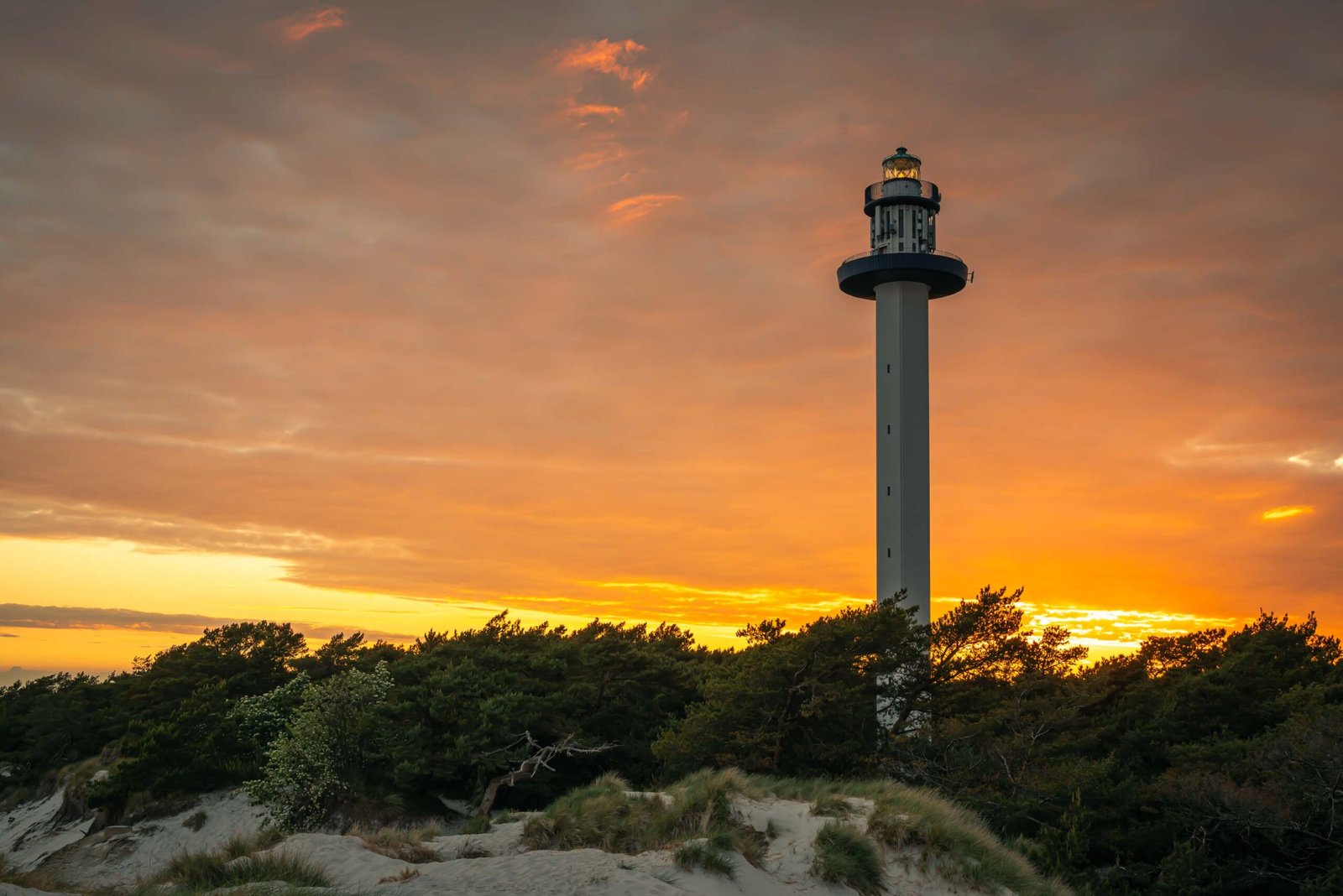
At the southern tip of Bornholm stands Dueodde Fyr, a tall, elegant lighthouse overlooking one of Denmark’s most remarkable beaches. Rising 47 meters above the sea, it is the tallest...
View location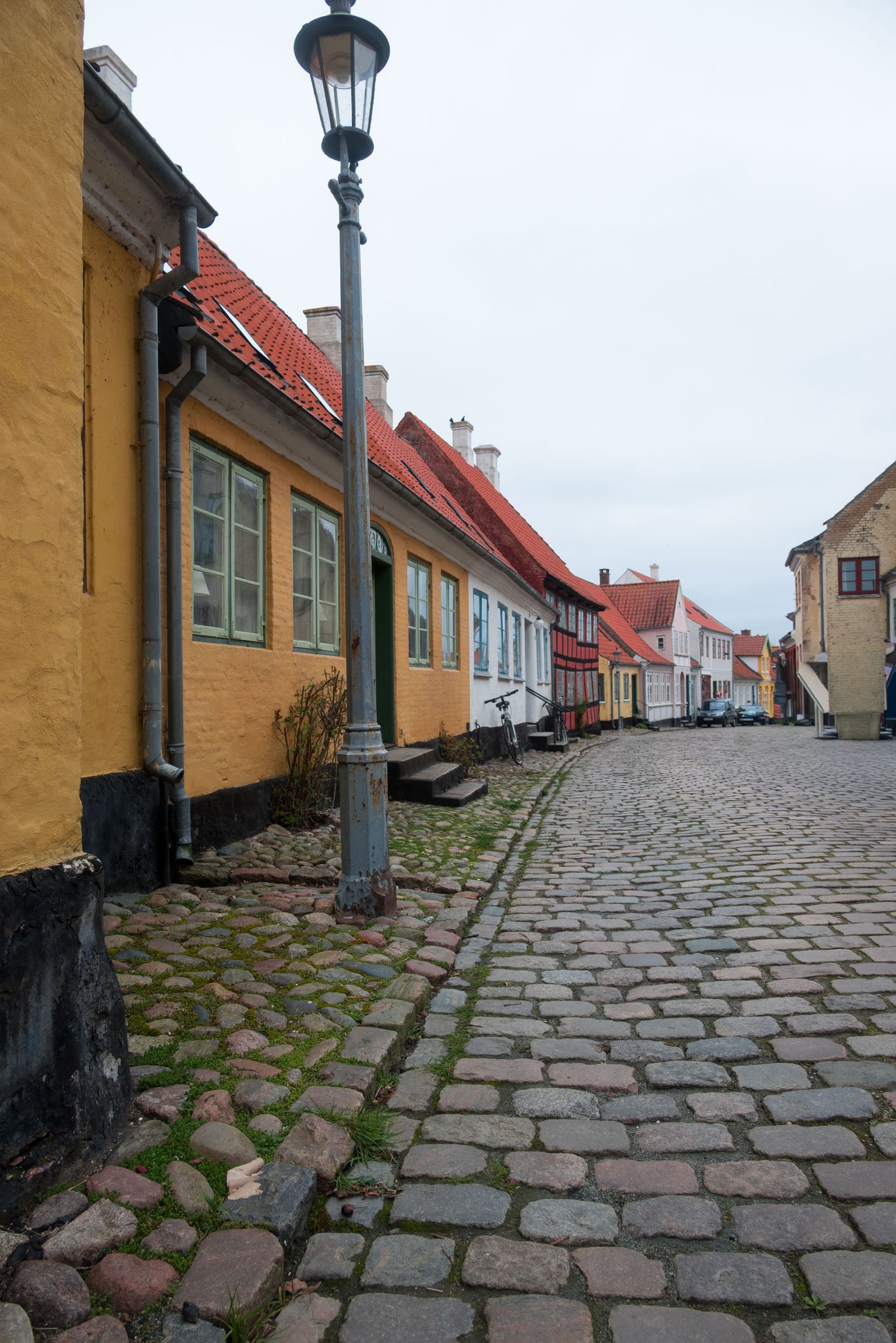
Often called the fairytale town of Denmark, Ærøskøbing is one of the country’s most charming and best-preserved coastal towns. Located on the island of Ærø in the South Funen Archipelago,...
View location
At the southern tip of the small Kegnæs Peninsula, where the Baltic Sea meets the calm waters of Flensburg Fjord, stands Kegnæs Fyr — a graceful white lighthouse that marks...
View location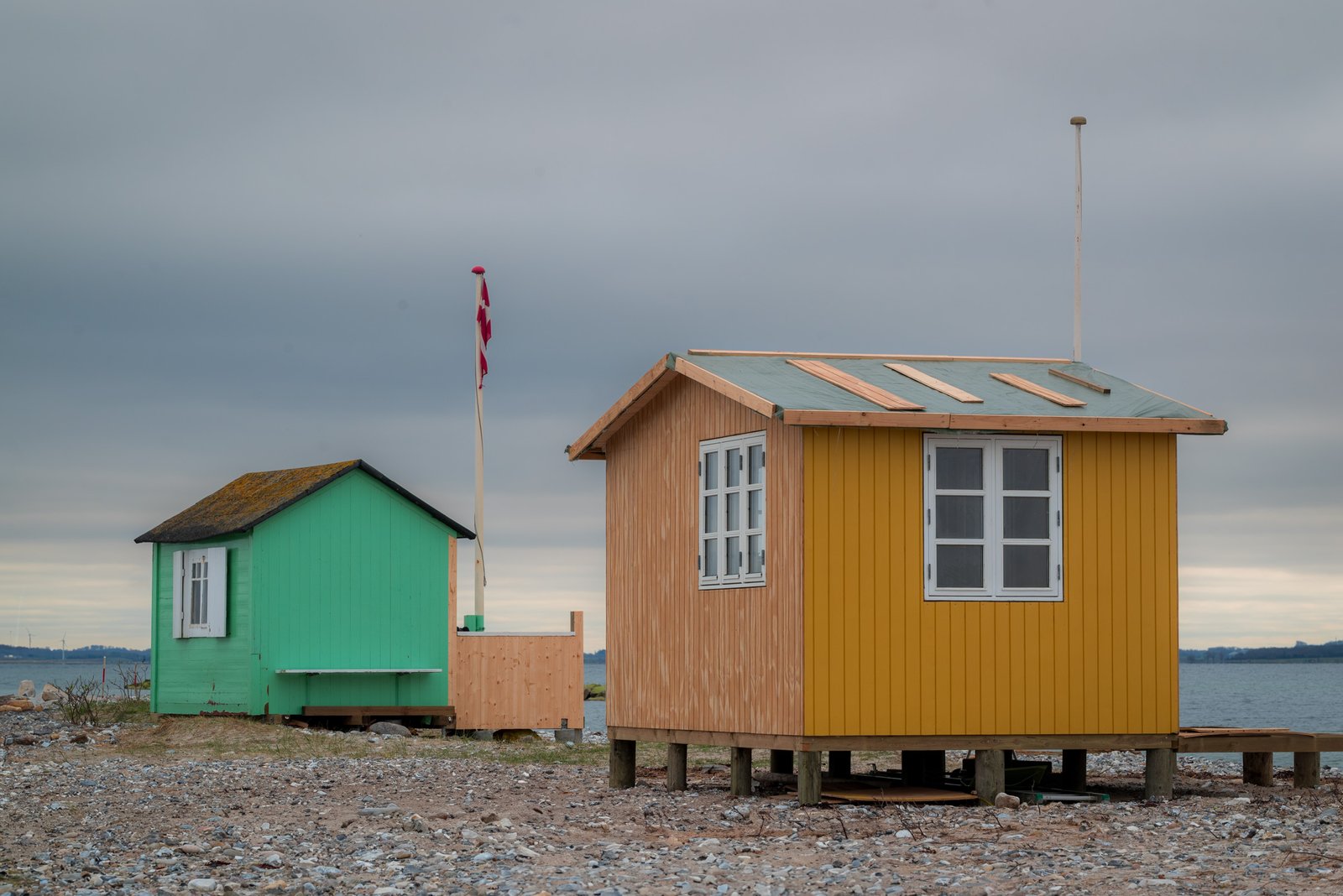
Along the quiet shoreline just west of Marstal lies one of Denmark’s most nostalgic and photogenic sights — the bathing houses of Marstal (Badehusene i Marstal). Dozens of small wooden...
View locationDenmark has a temperate maritime climate, moderated by the warm Gulf Stream. This makes Danish weather milder than you might expect at this northern latitude, though also changeable. Summers are pleasant but rarely hot, winters are relatively mild but can be windy. The country enjoys four distinct seasons, with the coastal regions receiving more rainfall than inland areas. Compared to most of the UK, Denmark is slightly drier but similar in overall feel.
| Month | Temp (°C) | Rainy Days | Sun Hours | Suitable For |
|---|---|---|---|---|
| January | -1 to 3 | 11 | 1 | City breaks, hygge, winter atmosphere |
| February | -1 to 3 | 8 | 2 | City breaks, indoor culture |
| March | 1 to 6 | 9 | 4 | Early spring walks, fewer crowds |
| April | 4 to 11 | 8 | 6 | Cycling, hiking, spring blooms |
| May | 8 to 16 | 8 | 8 | Cycling, hiking, photography, wildflowers |
| June | 12 to 19 | 9 | 9 | All outdoor activities, long days, beaches |
| July | 14 to 21 | 10 | 8 | Beach, cycling, hiking, festivals |
| August | 14 to 21 | 10 | 7 | Beach, cycling, hiking, all activities |
| September | 11 to 17 | 11 | 5 | Hiking, photography, autumn colors |
| October | 7 to 12 | 12 | 3 | Autumn landscapes, mushroom foraging |
| November | 4 to 8 | 12 | 2 | Atmospheric photography, cozy cities |
| December | 1 to 5 | 11 | 1 | Christmas markets, hygge, winter mood |
Tip for photographers: May and early June offer the magical “white nights” when it never gets completely dark – perfect for extended golden hour shooting. The west coast of Jutland provides dramatic storm light in autumn and winter. For wildlife photography, visit the Wadden Sea during bird migration in spring and autumn when millions of migratory birds stop here.
A collection of helpful websites for planning your trip to Denmark.