DOLOMITES

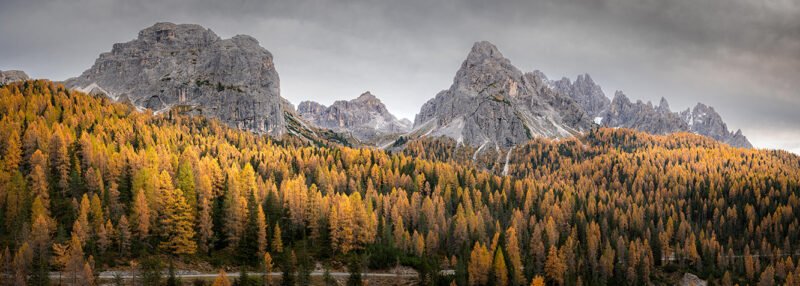
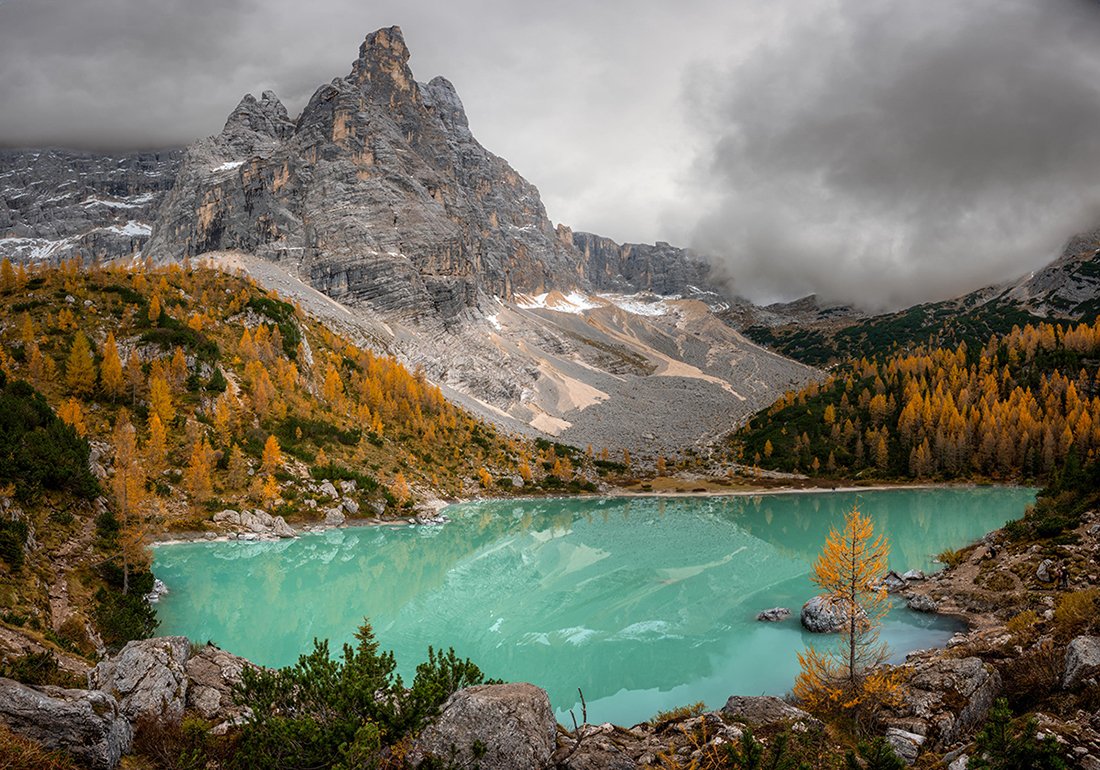
Teeth of limestone, turquoise lakes, and mountain meadows that change color with every season. The Dolomites are a landscape of contrasts, light, and elevation — a unique destination for hikers, photographers, and anyone who loves spending time in the mountains.

Currency
Euro (€)

Time Zone
CET / UTC+1

Language
Italian, German, Ladin

Payment
Cards accepted, cash useful

Power Plug
Type L (adapter recommended)

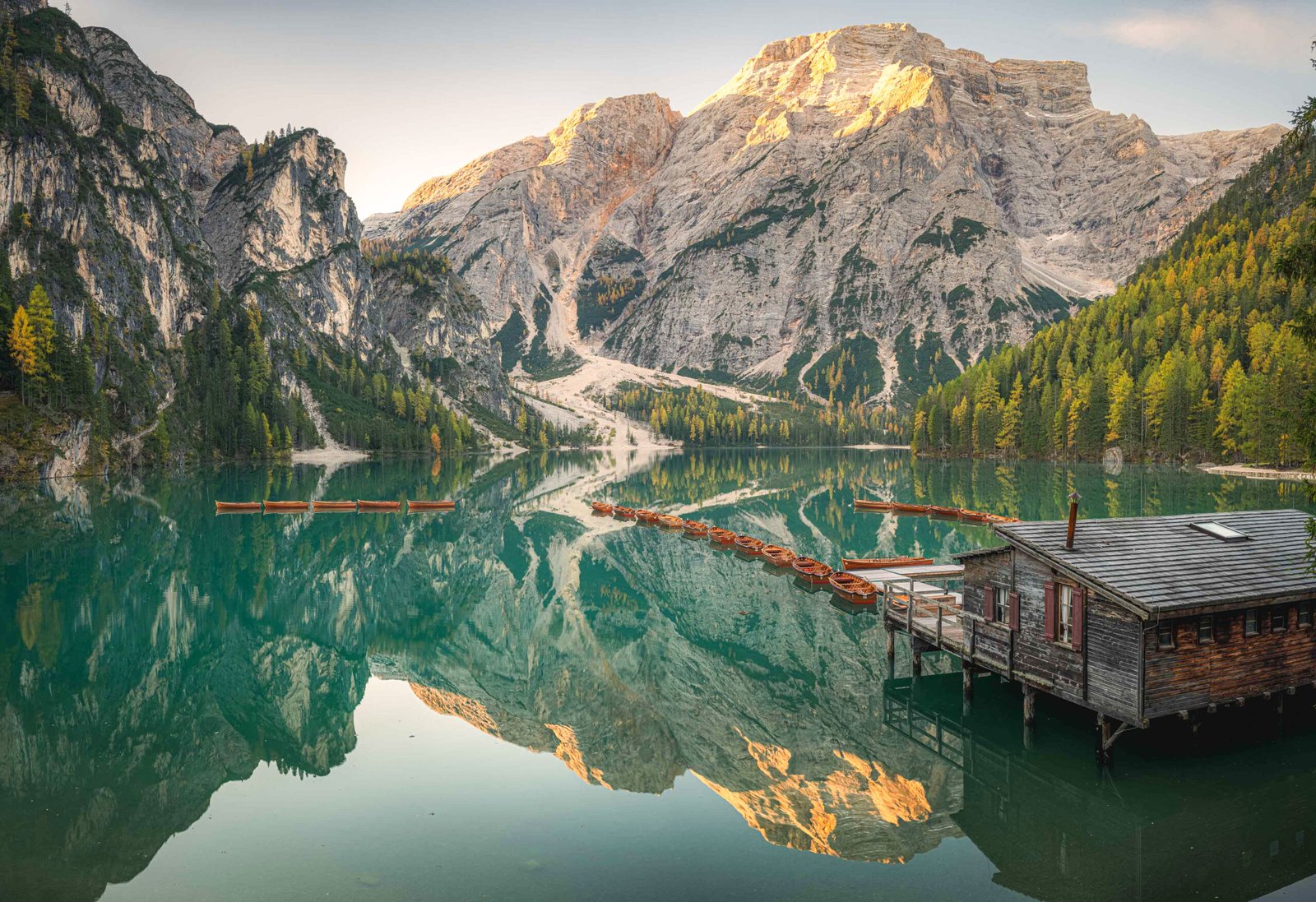
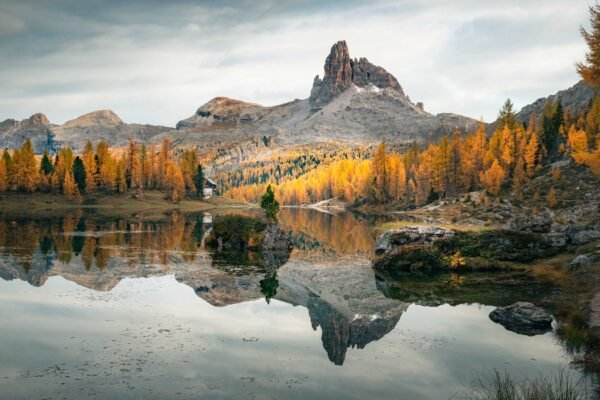
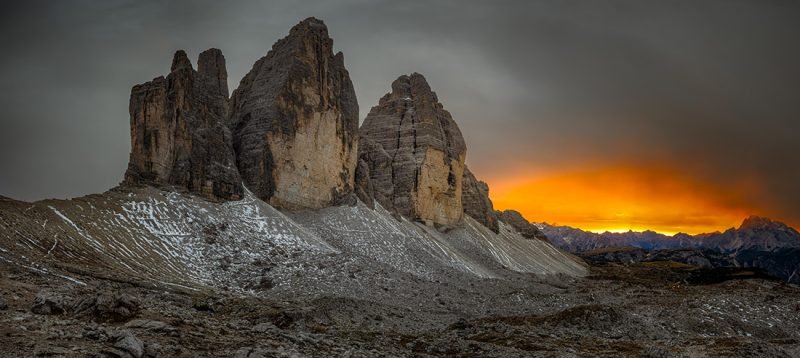
The Dolomites are one of the world’s most spectacular mountain landscapes. This mountain range in northeastern Italy, a UNESCO World Heritage Site since 2009, stretches across the provinces of South Tyrol, Trentino, and Belluno. The characteristic pale rock walls – formed from ancient coral reefs some 250 million years ago – glow in enchanting shades of pink and orange at sunrise and sunset, a phenomenon known as ‘enrosadira’.

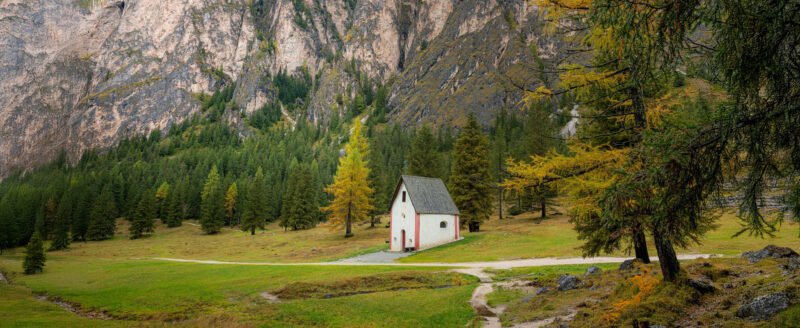
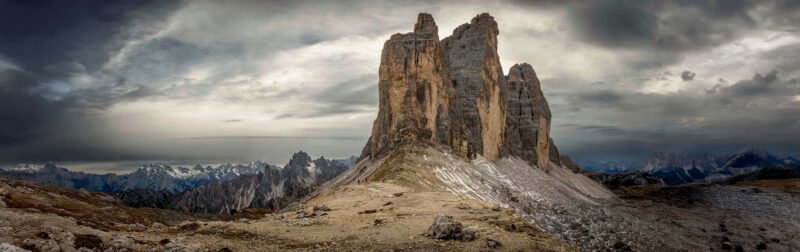
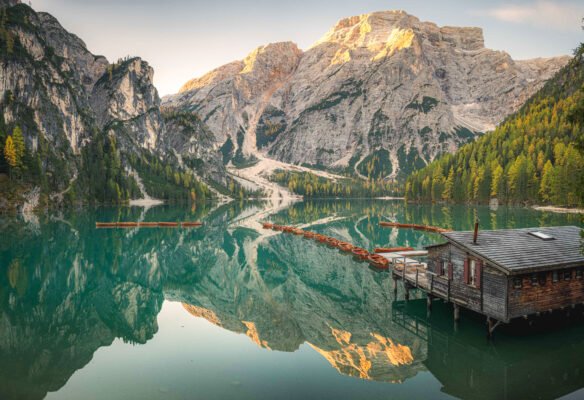
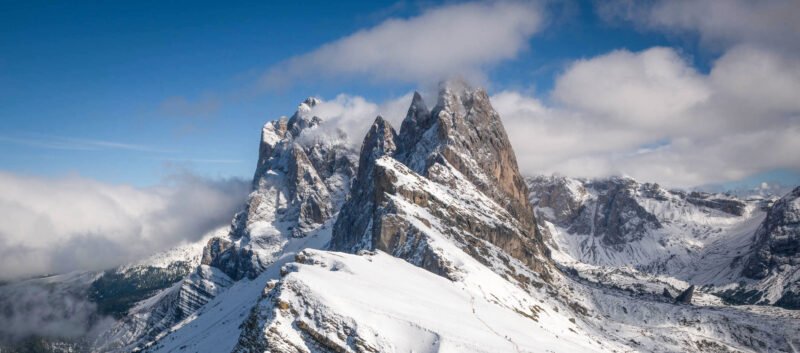
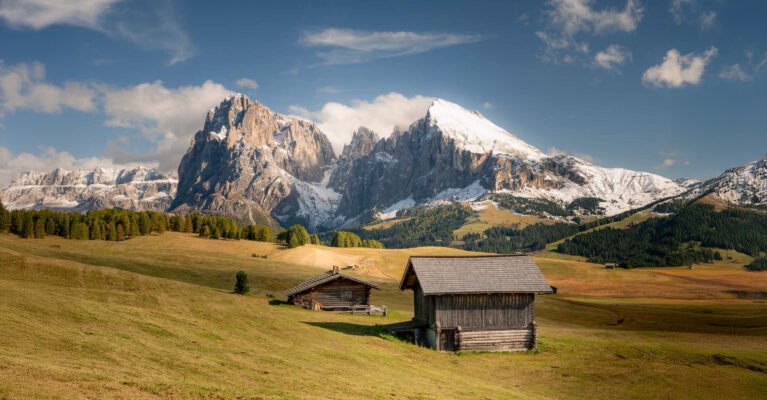
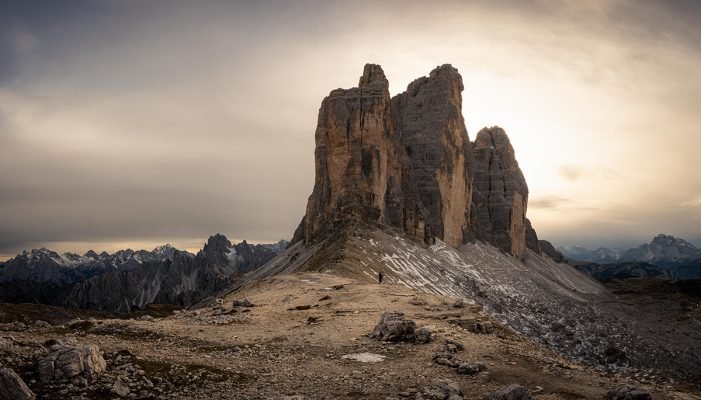
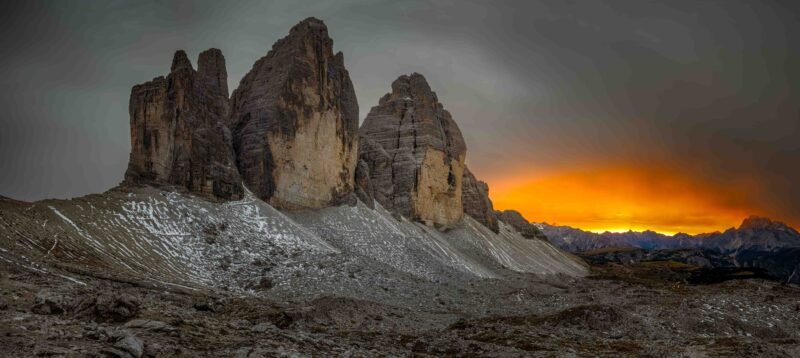
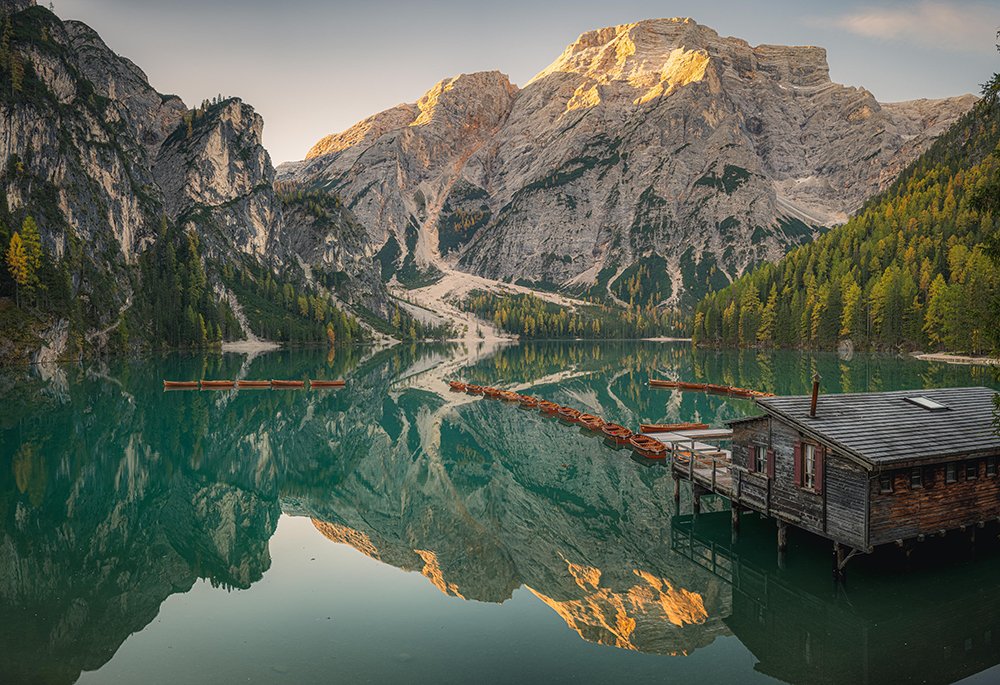
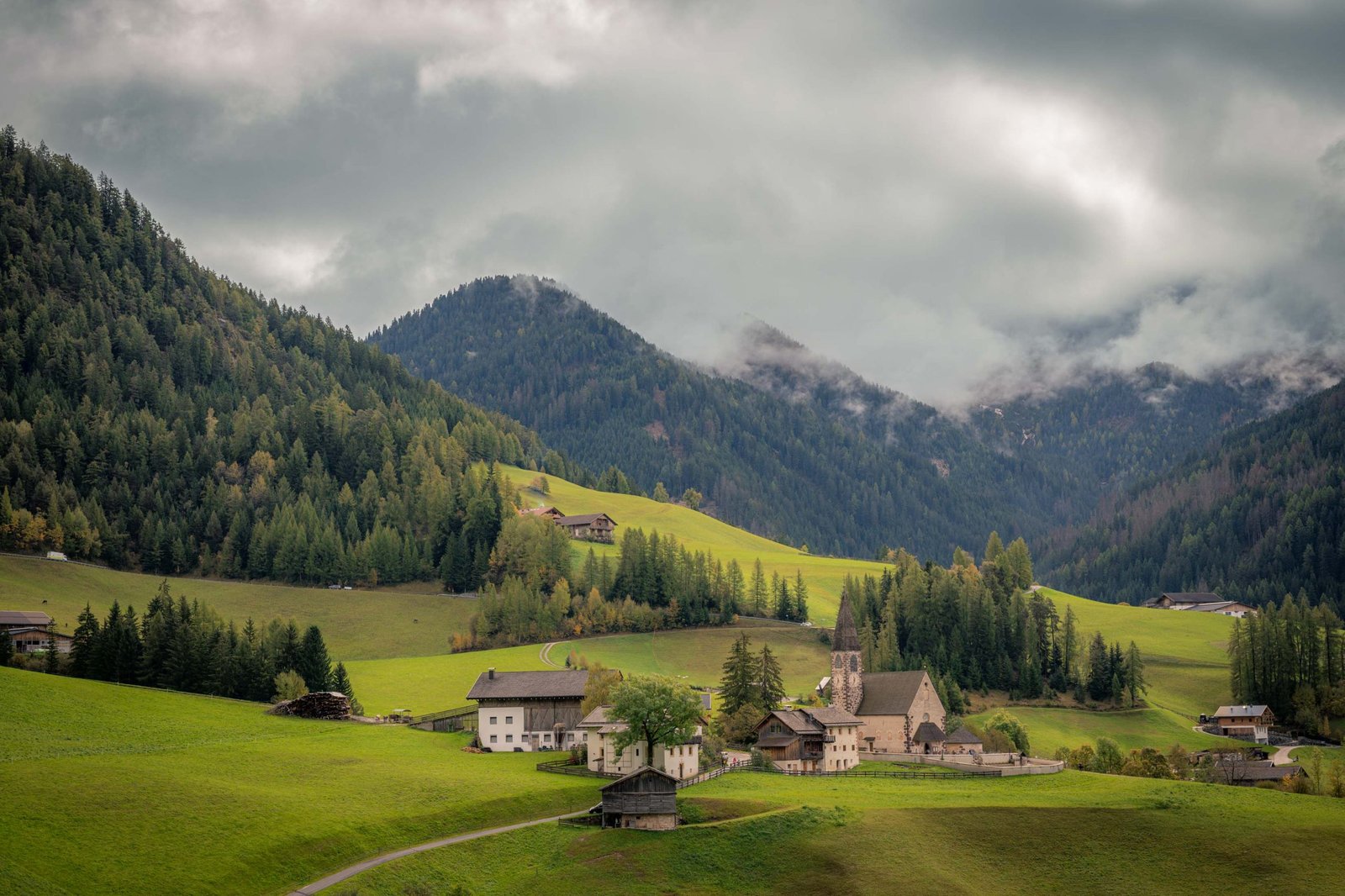
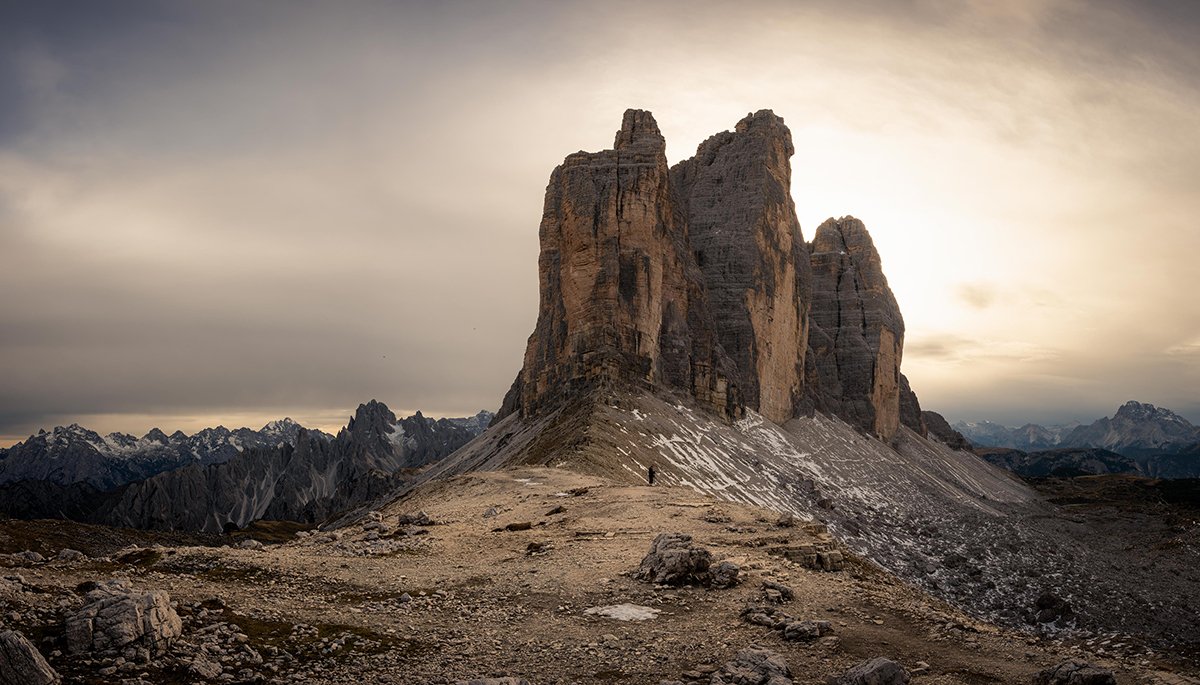
The landscape is a breathtaking mix of steep rock peaks, green alpine meadows, crystal-clear mountain lakes, and picturesque valleys. Iconic destinations such as Tre Cime di Lavaredo (Three Peaks), Lago di Braies, the Seiser Alm / Alpe di Siusi (Europe’s largest high-altitude alpine meadow), and Seceda attract nature lovers from around the world. Until 1918, this region belonged to Austria, and that influence is still clearly visible in the architecture, cuisine, and the fact that many residents speak German.

For hikers, the Dolomites are a paradise with thousands of kilometers of marked trails for every level – from leisurely walks across alpine meadows to challenging via ferratas (iron path climbing routes) and multi-day hut-to-hut treks like the famous Alta Via 1 and Alta Via 2. The well-maintained mountain huts (rifugi) offer not only shelter along the way but also delicious regional cuisine. Road cyclists know the legendary mountain passes such as Passo Gardena, Passo Sella, and Passo Pordoi from the Giro d’Italia.

For photographers, the Dolomites are a dream: the dramatic light, sharp contrasts between green meadows and grey rock walls, and photogenic mountain lakes offer endless possibilities. The combination of Italian hospitality, Tyrolean coziness, and world-class nature makes the Dolomites a destination you’ll never forget. Whether you come for an active summer holiday or winter sports in one of the many ski resorts – the ‘pale mountains’ impress in every season.


travel stories

Stories About the Dolomites

Read more about the destinations in this beautiful region of Italy.

Vallunga: Hiking in Val Gardena, Photography Tips & Practical Info

Vallunga – An Oasis of Tranquillity in the Dolomites During our last trip to the [...]

Cascate di Fanes: Hiking Routes, Photography Tips & Practical Info

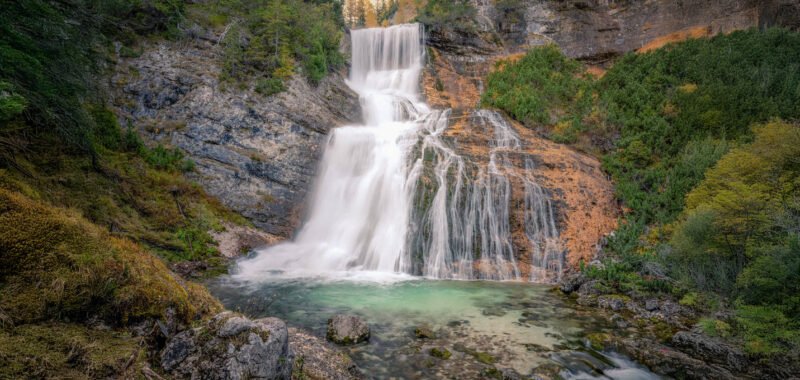
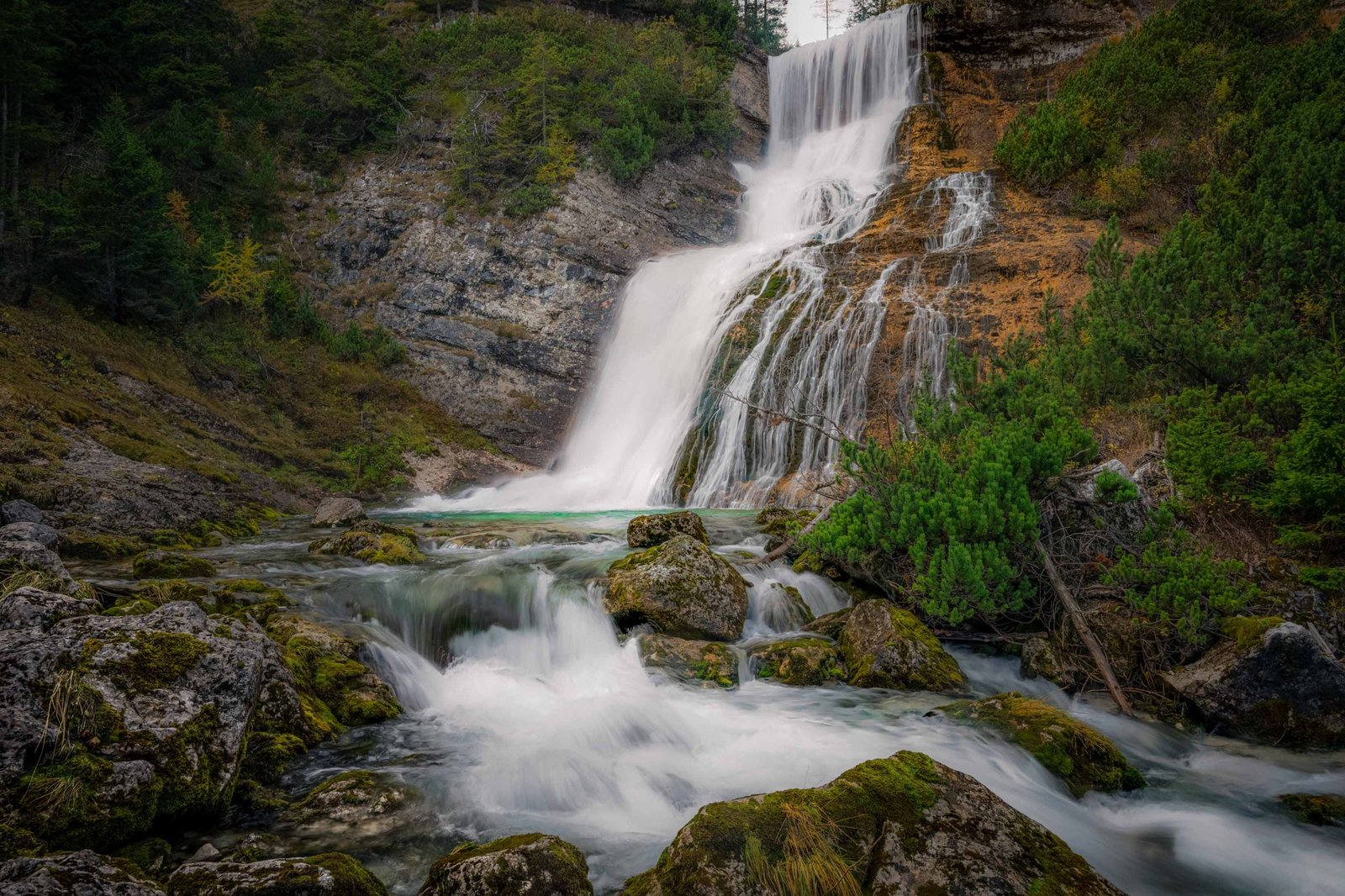
Cascate di Fanes – Hidden Waterfalls in the Dolomites I’m always searching for those places [...]

Tre Cime di Lavaredo: Hiking Routes, Photography Tips & Practical Info

Tre Cime di Lavaredo – The Icon of the Dolomites When you say Dolomites, you [...]

Hiking to Lago Federa: Complete Guide for a daytrip to this amazing mountain lake

Lago Federa – Silence, Reflections and High-Altitude Light in the Dolomites During our stay in [...]

Lago di Braies: Photography at the Pearl of the Dolomites

An Iconic Image of an Iconic Lake There are places in the Dolomites you never [...]

Val di Funes: Hiking and Photography in the Dolomites’ Most Beautiful Valley

Light, Silence and Mountains in the Dolomites In the heart of the Dolomites, north of [...]

Seceda and Col Raiser: Hiking to the Iconic Viewpoint of the Dolomites

October Snow Fun at Seceda The Dolomites is a favourite destination of ours. You need [...]

Seiser Alm – The High Plateau of the Dolomites

The Magic of Seiser Alm Seiser Alm – or Alpe di Siusi – is one [...]

Autumn in the Dolomites: Best Photo Spots & Tips

Autumn is perhaps the most magical season to explore the mountains. While many people immediately [...]

Dolomites Photo Spots: The Interactive Photography Book

Discover breathtaking locations, routes, and golden hour tips with QR codes The Dolomites are often [...]

The Story Behind the Photo: Tre Cime di Lavaredo

There are places in the world that are more than just a beautiful backdrop. They [...]

Best Photo Spots in the Dolomites: A Photographer’s Guide

The Dolomites, a UNESCO World Heritage Site in northeastern Italy, are a dream destination for [...]

Dolomites Photo Book

In my photo books, I collect the most beautiful stories and photographs of a destination. In my book about the Dolomites, I have gathered 62 pages of the most stunning photos and locations into a beautifully crafted work.

  • Printed on high-quality glossy paper.
  • It makes a wonderful reference work or gift for anyone who loves nature or photography.
  • The locations include QR codes that give direct access to background information.

Destinations in the Dolomites

Frequently Asked Questions about the Dolomites

What is the best time to visit the Dolomites?
For hiking and mountain activities, mid-June through mid-October is ideal. July and August are warmest but also most crowded – September is perfect with stable weather, fewer visitors, and early autumn colors. For winter sports, December through April is the best period. April and November are shoulder seasons when many facilities are closed.
Do I need a passport or visa?
EU citizens can travel to Italy with a valid ID card or passport – no visa required. The Dolomites are entirely within Italy, so you won’t cross any borders within the region. Non-EU visitors from the US, UK, Canada, Australia, and New Zealand can visit for up to 90 days without a visa. Your passport should be valid for at least three months beyond your planned departure.
Can I pay by card?
Yes, most hotels, restaurants, and shops accept credit and debit cards (Visa, Mastercard). However, some mountain huts (rifugi) and small establishments only accept cash. Always carry some cash euros, especially if you’re planning hiking trips with hut visits. In South Tyrol, German bank cards are often accepted as well.
How do I get to the Dolomites?
The nearest major airports are Innsbruck, Austria (1.5 hours by car), and Verona or Venice Marco Polo in Italy (both about 2 hours). From these airports, you can rent a car or continue by bus/train. Direct trains run from Munich to Bolzano. Driving from central Europe via the Brenner Pass (A22) is straightforward – allow about 6-8 hours from Munich or 9-11 hours from the Netherlands.
Do I need a power adapter?
Italy uses type L plugs (three round pins). Standard European plugs (type C/F) sometimes fit, but not always. A universal adapter or Italian adapter is recommended. The voltage is 230V, same as most of Europe and the UK, so no converter is needed for compatible devices.
Are the Dolomites expensive?
The Dolomites are comparable to the Austrian Alps in pricing. Supermarkets are slightly cheaper than in Northern Europe, while restaurants are similar or slightly less expensive. Accommodation can be pricey in high season, especially in popular places like Cortina d’Ampezzo. Mountain huts offer a more affordable option (€40-70 for half-board). Toll roads to popular spots like Tre Cime cost around €30.
Is English spoken in the Dolomites?
In South Tyrol (the northern part of the Dolomites), German is the most commonly spoken language – nearly everyone is fluent. In Trentino and Belluno provinces, Italian predominates. English is understood in tourist areas but is less common than in Scandinavia or the Benelux countries. In South Tyrol, German will get you furthest; Italian is helpful in the southern regions.

Climate & Best Time to Visit

The Dolomites have an alpine climate with warm summers and cold, snowy winters. In the valleys (1,200-1,500 m), summers are pleasant with temperatures up to 25°C, while it’s cooler at higher elevations (2,000 m+). The sun shines here more often than in other parts of the Alps – in winter, eight out of ten days on average. Note: temperature drops approximately 6°C per 1,000 meters of elevation gain, and thunderstorms can develop quickly in the afternoon.

Month Temp (°C) Rainy Days Sun Hours Suitable For
January -7 to 2 6 4 Skiing, winter hiking, snowshoeing
February -6 to 4 5 5 Skiing, winter hiking, snowshoeing
March -3 to 8 6 6 Skiing, spring hiking (lower routes)
April 1 to 12 9 6 Shoulder season, exploring valleys
May 6 to 17 12 7 Hiking (lower routes), wildflowers
June 10 to 20 11 8 Hiking, cycling, alpine flowers, fewer crowds
July 12 to 23 11 9 All hiking routes, via ferrata, photography
August 12 to 23 10 8 All hiking routes, via ferrata (crowded!)
September 9 to 18 8 7 Hiking, photography, autumn colors, peaceful
October 4 to 13 8 5 Autumn hiking, larch trees, photography
November -1 to 6 8 4 Shoulder season, many facilities closed
December -5 to 2 6 4 Skiing, Christmas markets, winter atmosphere

Tip for photographers: September is the ideal month: stable weather, clear air, fewer crowds, and the first autumn colors. The ‘enrosadira’ – the glowing of rock walls at sunrise and sunset – is spectacular year-round but shows best in clear weather. Start early (before 8:00 AM) to capture the most beautiful morning colors and avoid afternoon thunderstorms.

Useful Links

A collection of helpful websites for planning your trip to the Dolomites.

Official Tourism

Regions & Valleys

Hiking

Via Ferrata

Cycling

Transport

Weather

Accommodation