IRELAND

From the wild cliffs of the west coast to the quiet lakes and rolling green hills of the interior:
Ireland offers a landscape full of atmosphere, space, and dramatic light. Ideal for hikers, photographers, and anyone who loves discovering new places in nature.

Currency
Euro (€) / Pound (£) in N. Ireland

Time Zone
GMT / UTC+0 (summer: UTC+1)

Language
English, Irish (Gaelic)

Payment
Cards (Visa/MC) everywhere, AmEx limited

Power Plug
Type G (UK style, adapter needed)

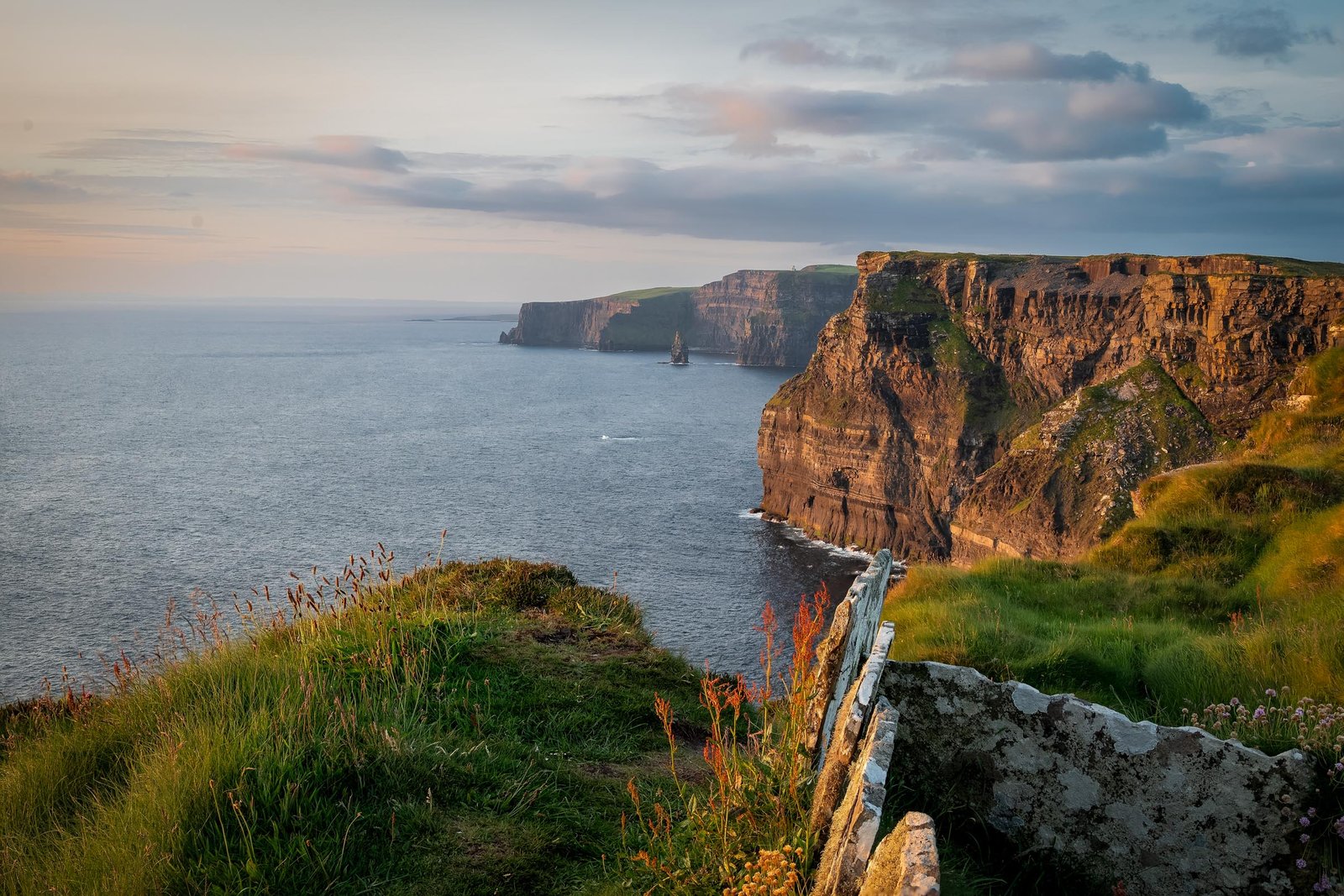
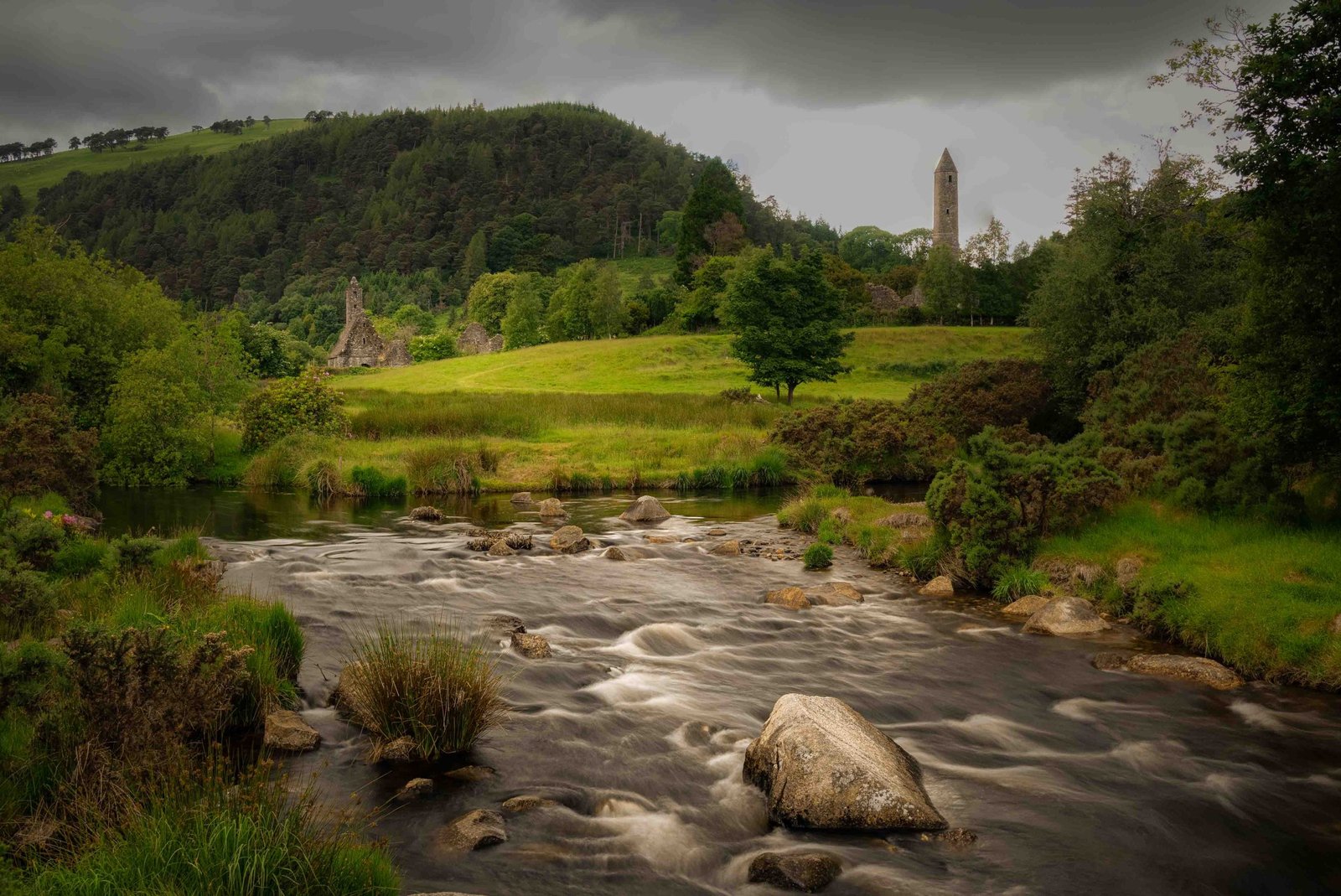
Ireland – the Emerald Isle – is a land of endless shades of green, rugged coastlines, and rich cultural heritage. From the dramatic Cliffs of Moher to the mystical landscapes of Connemara, from the historic valley of Glendalough to the wild beauty of the Dingle Peninsula: Ireland offers nature lovers and photographers an unforgettable experience.

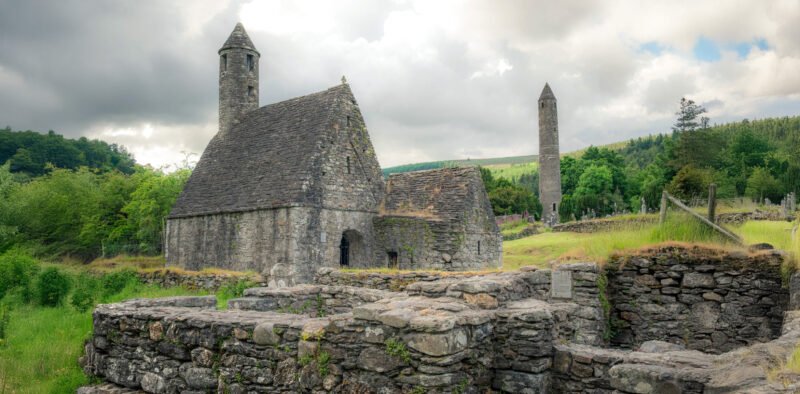
With six national parks and thousands of kilometers of walking trails, Ireland is a hiking paradise. The Wild Atlantic Way – at 2,500 kilometers the world’s longest defined coastal touring route – winds along spectacular cliffs, deserted beaches, and picturesque fishing villages. Wicklow Mountains National Park, just an hour from Dublin, offers vast moorlands, glacial valleys, and the famous monastic settlement of Glendalough. In the west awaits Connemara with its Twelve Bens mountain range and Diamond Hill, while Killarney National Park in the south harbors enchanting lakes and ancient oak forests.

Famous long-distance walks like the Wicklow Way (127 km), the Kerry Way (214 km), and the Beara Way (242 km) lead through the island’s most beautiful landscapes. But shorter routes offer equally breathtaking experiences: the cliff walk along the Cliffs of Moher, the ascent of Slieve League (Europe’s highest sea cliffs), or a trek across the lunar-like limestone pavements of the Burren.

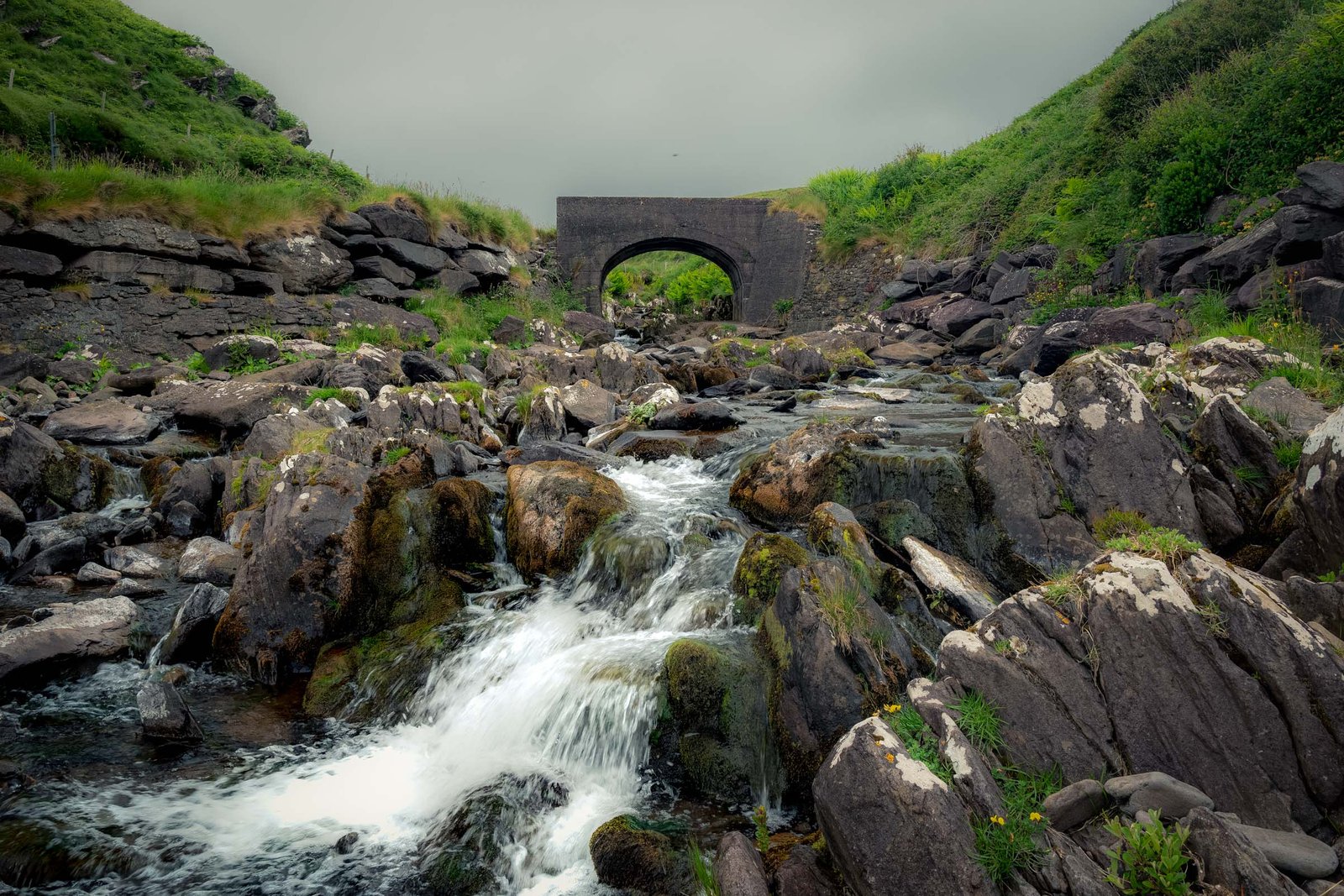
For photographers, Ireland is a dream: dramatic light that constantly changes, rainbows after showers, misty mornings over boglands, and spectacular sunsets over the Atlantic Ocean. Irish weather may be changeable – “four seasons in one day” – but that very variability creates magical moments. Combine the natural beauty with warm Irish hospitality, a pint of Guinness in a traditional pub, and captivating live music, and you’ll understand why Ireland enchants so many travelers.

travel stories

My Ireland Stories

Read more about the destinations in beautiful Ireland.

Glanteenassig Forest Park – A Hidden Paradise on the Dingle Peninsula

Glanteenassig Forest Park – A Hidden Paradise on the Dingle Peninsula I’m always searching for [...]

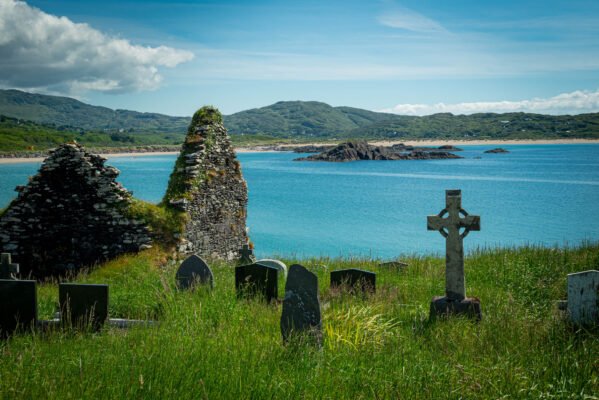
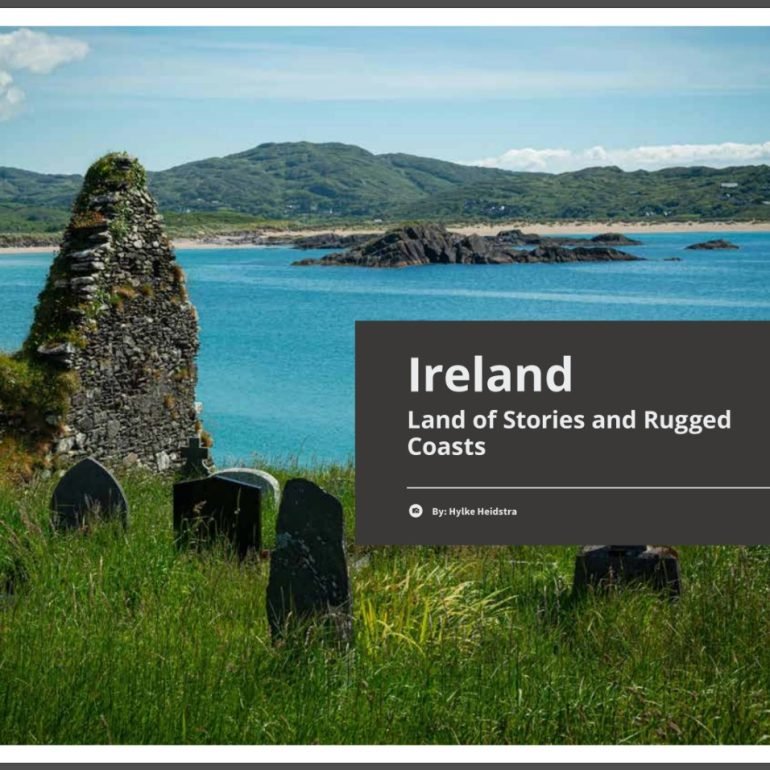
Abbey Island at Derrynane: Walking to the Ruins, Photography Tips and Practical Info for the Ring of Kerry

Abbey Island – Where Irish Beauty and History Meet During our road trip along the [...]

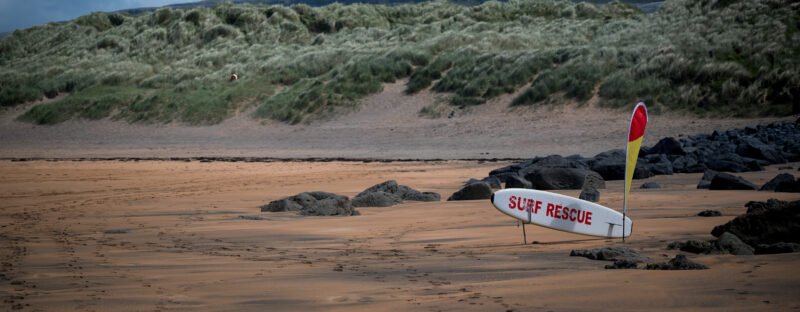
Fanore Beach and The Burren: Hiking and Photography on the Irish West Coast

Fanore Beach – Peace, Space and Patterns in the Sand Between the rugged limestone hills [...]

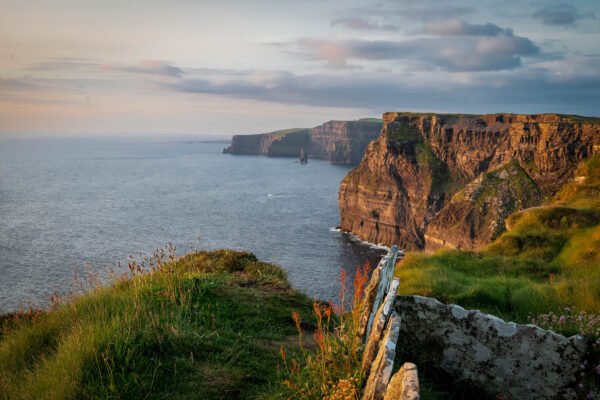
Cliffs of Moher: Hiking, Photography and Practical Tips for County Clare

Cliffs of Moher – The Impressive Coast of County Clare Along the west coast of [...]

Inisheer (Inis Oírr): Visit the Smallest Aran Island with Ferry and Walking Routes

Inisheer – The Quiet Island of the Aran Islands Off the west coast of Ireland, [...]

Ireland Photo Book

In my photo books, I collect the most beautiful stories and photographs of a destination. In my book about Ireland, I have gathered 88 pages of the most stunning photos and locations into a beautifully crafted work.

  • Printed on high-quality glossy paper.
  • It makes a wonderful reference work or gift for anyone who loves nature or photography.
  • The locations include QR codes that give direct access to background information.

Destinations in Ireland

Frequently Asked Questions about Ireland

What is the best time to visit Ireland?
The best months are May through September, with May and September being ideal: fewer crowds, longer days, and often good weather. June offers the longest days (daylight until 22:30). July and August are warmest but also busiest. The weather is always changeable – “four seasons in one day” – so be prepared for anything. The west coast is wetter than the east.
Do I need a visa to visit Ireland?
EU citizens can enter the Republic of Ireland with a valid ID card or passport. Ireland is not part of Schengen but is in the EU. US, Canadian, Australian, and New Zealand citizens can visit for up to 90 days without a visa. Note: Northern Ireland is part of the UK. After Brexit, different rules apply – non-UK/Irish citizens may need an Electronic Travel Authorisation (ETA) for Northern Ireland from April 2025.
What currency is used in Ireland?
The Republic of Ireland uses the euro (€). Northern Ireland uses British pounds (£). Card payments (Visa/Mastercard) are accepted almost everywhere, including contactless. American Express has limited acceptance. ATMs are widely available, even in small villages.
How do I get to Ireland?
Major airlines fly directly to Dublin, Cork, and Shannon from across Europe and North America. Ferry services operate from the UK (Holyhead, Liverpool, Fishguard) and France (Cherbourg, Roscoff). A rental car is recommended for exploring the countryside – remember: driving is on the LEFT side in Ireland!
Do I need a power adapter?
Yes, Ireland uses type G plugs (UK-style with three rectangular pins). European and US plugs don’t fit. Bring an adapter or purchase a universal travel adapter. Voltage is 230V, same as continental Europe.
Is Ireland expensive?
Ireland is more expensive than many European countries, especially for accommodation and dining out. Dublin is the priciest. Budget options: B&Bs offer excellent value, camping is affordable, and self-catering saves on meals. Pub lunches are often cheaper than restaurant dinners. Fuel prices are comparable to other Western European countries.
Does it always rain in Ireland?
The weather is changeable, not constantly bad. On average, it rains 150-225 days per year, depending on region (west coast more than east). However, showers are often brief, followed by sunshine. Always pack a good waterproof jacket (windproof!) – umbrellas often blow inside out. This variability actually creates beautiful photographic light and frequent rainbows.

Climate & Best Time to Visit

Ireland has a temperate oceanic climate, strongly influenced by the Gulf Stream. Winters are mild (frost is rare), summers are cool. Rain is possible year-round – especially on the west coast – but extreme temperatures seldom occur. The difference between summer and winter is only about 10°C. Compared to continental Europe, winters are milder, but summers are cooler and wetter, particularly on the west coast.

Month Temp (°C) Rainy Days Sun Hours Suitable For
January 3 to 9 13-20 2 Quiet season, cozy pubs, cities
February 3 to 9 11-18 3 Quiet season, early spring signs
March 4 to 11 12-18 4 St. Patrick’s Day, first hikes
April 5 to 13 10-15 5 Wildflowers, fewer crowds
May 8 to 15 10-14 6 Hiking, photography, blooming nature
June 10 to 18 10-14 6 Longest days (light until 22:30!), outdoor
July 12 to 19 11-15 5 Warmest month, festivals
August 12 to 19 11-16 5 Hiking, seabirds, festivals
September 10 to 17 10-15 4 Autumn colors, fewer crowds, seafood
October 8 to 14 12-18 3 Autumn colors, peaceful, photographic light
November 5 to 10 13-20 2 Shoulder season, Christmas markets (late)
December 4 to 9 13-21 1 Christmas atmosphere, cozy pubs

Tip for photographers: The changeable weather creates dramatic light and frequent rainbows. May and September offer the best balance between weather and crowds. The “golden hour” in autumn is exceptionally long and magical. Always pack a rain jacket (not an umbrella – too windy!), as sunshine often follows showers, creating spectacular photo opportunities.

Useful Links

A collection of helpful websites for planning your trip to Ireland.

Official Tourism

National Parks

Hiking

Transport

Weather

  • Met Éireann – official Irish weather service
  • Yr.no – Norwegian weather service, very reliable

Accommodation